OEM Christmas ornament manufacturing for brand holders
OEM Christmas ornament manufacturing is not a single quote—it is a sequence of gates that protect color, packaging, and vessel timing for private-label and retail-brand programs. Brand teams that treat ornaments like generic private-label giftware often discover tooling delays, finish drift, or barcode mismatches after planograms and photography lock. A structured OEM path aligns development to merchandising calendars, distribution-center constraints, and the compliance attachments your vendor portal expects before first receipt. Treat each gate as a signed milestone—not a verbal OK during a quick showroom visit. OEM development process · OEM Christmas ornaments · wholesale product catalog · OEM Christmas ornament development · OEM case studies · Target Christmas ornament OEM supplier comparison
Shuanglin Crafts supports wholesale buyers with finished ornament platforms, OEM development, factory tours, and direct export desk contact—use the links below when you are ready to move from research to sampling. product catalog · OEM program overview · factory tour · contact the export desk
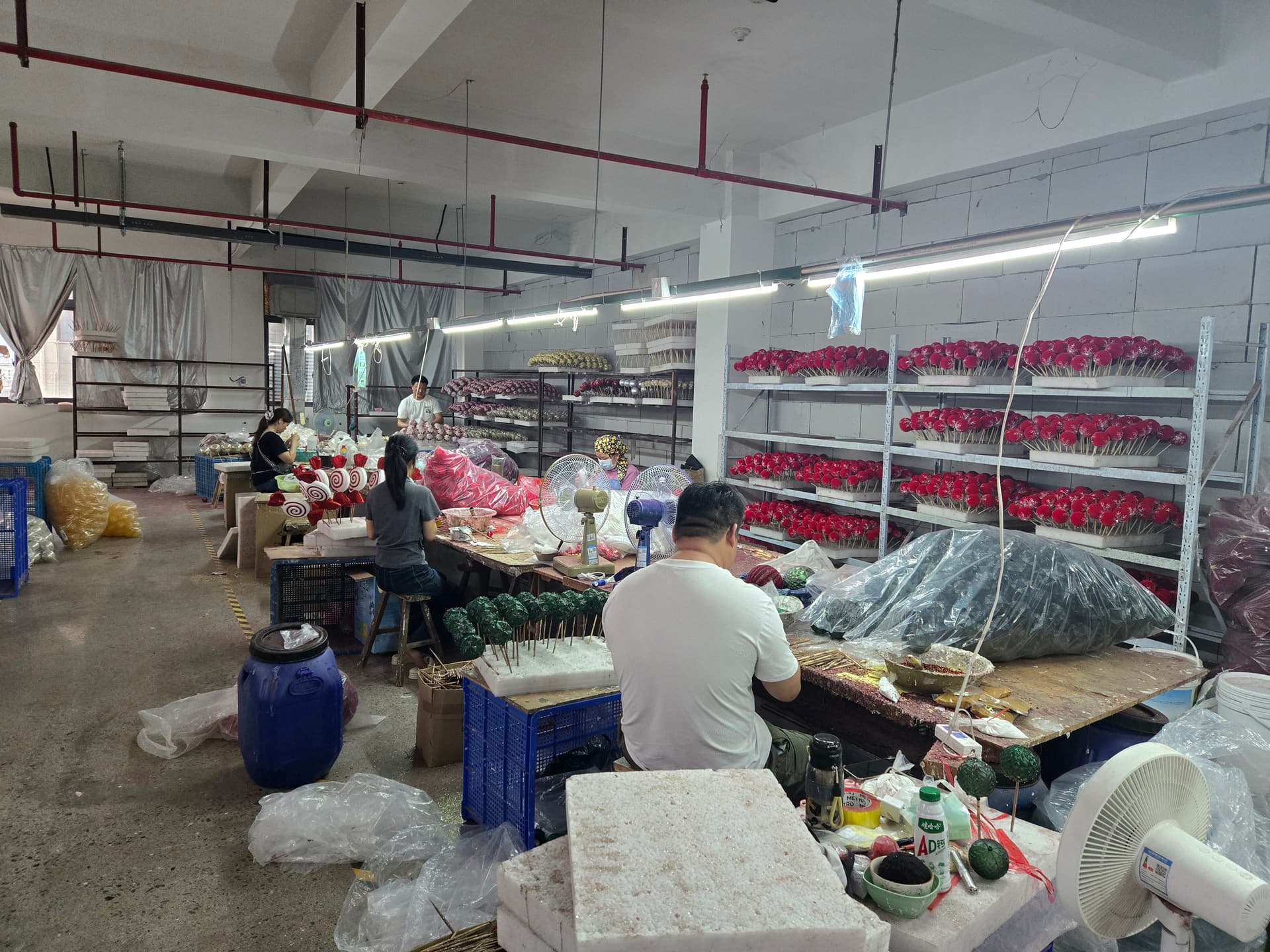
As an OEM Christmas ornaments manufacturer focused on spherical baubles, Shuanglin Crafts runs documented development from program brief through tooling, pilot sampling, finish approval, bulk production, and FOB export release. This guide explains what brand and import desks should prepare before the first pilot lot—and which decisions cannot be reversed cheaply after bulk coating opens.
Whether you are launching a new cap geometry, a retail gift-box set, or a fixture-ready color wall spanning glass and resin, the same OEM discipline applies. Share ladder, finish references, and packaging intent in the first RFQ so the export desk maps realistic MOQ bands and sampling windows instead of quoting catalog defaults that do not match your door positioning. request a factory quote
Start with a clear OEM program brief
The program brief is the contract between merchandising intent and factory capacity. It should state in-store or reset date, vessel window, size ladder, set counts per SKU, material preference, packaging format, and destination-market compliance requirements. Vague briefs produce vague quotes—and vague quotes produce seasonal fire drills when MOQ bands or tooling lead times surface after creative approval. Attach forwarder booking cutoffs when known so sampling dates are feasible for your ocean lane.

For factory experience, OEM capability, showroom access, and export programs beyond this topic, see our Christmas ornament manufacturer · OEM Christmas ornament development
- In-store or seasonal reset date and nominated vessel window
- Size ladder and set counts per SKU with hero versus volume roles
- Material preference: glass, resin, or mixed color-wall architecture
- Packaging: bulk export, window gift box, or PDQ-ready inners
- Compliance attachments for EU or specialty retail doors when applicable
Submit the brief through the OEM inquiry channel with finish boards or Pantone references attached. Import desks should copy forwarder constraints—booking cutoffs, moisture sensitivity, pallet height limits—so export staging plans do not conflict with nominated ocean schedules. OEM development process
Tooling, molds, and pilot sampling
Custom molds, caps, and hang geometry are quoted with tooling lead times—often 25–35 days for new shapes—before pilot production opens. Strike samples validate coating adhesion, cap metallization, and hang balance under the same pigment sources planned for bulk. Tooling amortization and repeat-season shortcuts should be documented when platforms are expected to run multiple years. Christmas ornament factory
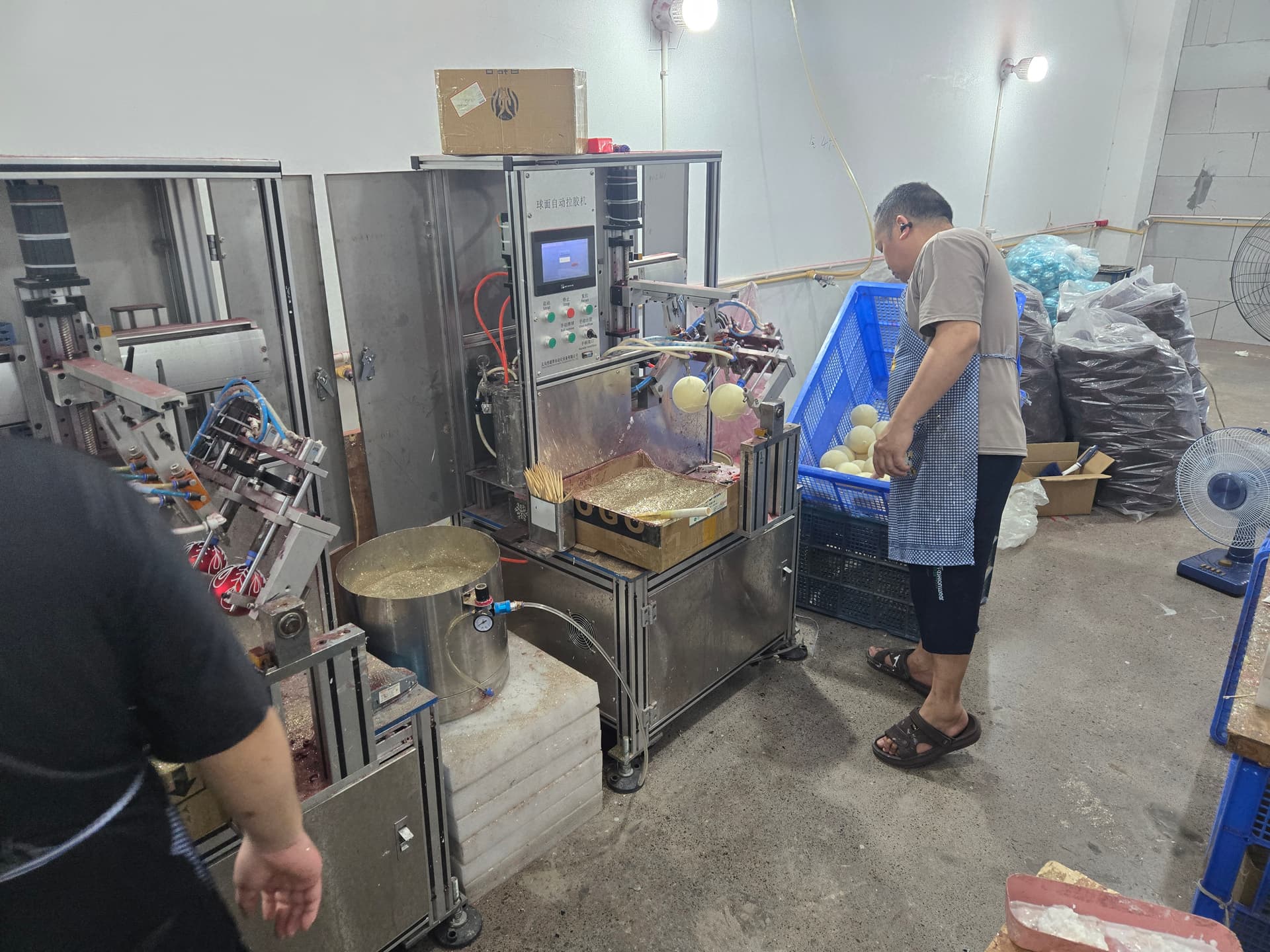
Pilot lots are not marketing samples—they are production-intent units compared to signed finish masters under controlled lighting. Photography and planogram teams should not schedule shoots until pilot approval records coating lot numbers and inner-pack density. Skipping that gate is a frequent source of returns when bulk subtly drifts from the hero sample buyers approved in the showroom. Reserve marketing pulls in contract language until pilot sign-off is documented.
When to reuse approved platforms
Repeat seasons on approved molds and caps shorten lead times dramatically—often 45–60 days to vessel when finishes and packaging dielines are unchanged. New finish families on existing geometry still require pilot comparison; new shapes or hang hardware restart the tooling clock. Document which SKUs are carry-forward versus new development so capacity planning reflects craft-station and coating-bay allocation accurately.
Finish and packaging approval gates
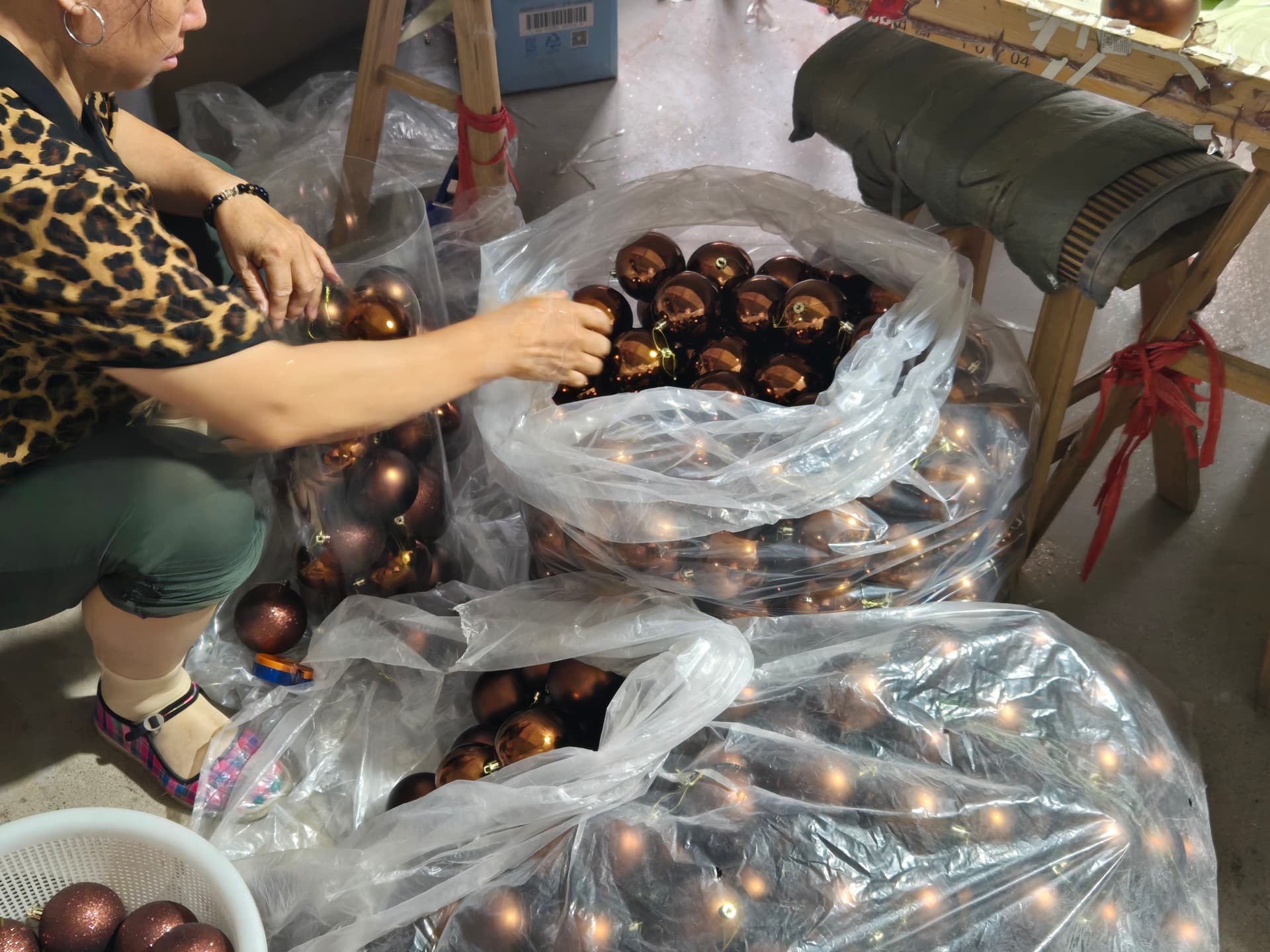
Finish approval locks pigment sources, interior washes, cap metallization, and any hand-finish instructions before bulk coating windows open. Packaging approval covers dielines, barcode symbology, multilingual copy for EU programs, and inner-pack drop fit against your distribution spec. Retail box programs add window clarity, glue flap strength, and gift-set partition reviews that bulk-export-only lines skip. luxury Christmas decorations
Factory-direct supplier vetting and wholesale sourcing checklists appear on our Christmas ornament supplier · wholesale Christmas ornaments manufacturers
Approved masters should travel with batch instructions your QA partner can audit: coating lot trace, cap torque targets, and comparison photos under agreed lighting. Private-label buyers increasingly upload those artifacts to vendor portals before release authorization—structure OEM contracts to deliver them at pilot, not as a pre-shipment scramble.
Bulk production and QC documentation
Bulk windows open with batch travelers, coating lot traceability, and acceptable-quality-level records packaged for your QA partner. Hold points should exist for coating drift, cap mismatch, and inner-pack defects before master cartons seal. OEM programs that skip documented holds often pay twice: once in markdown risk and again in air freight when rework misses the vessel. Pre-shipment meetings should review hold logs—not only carton counts—so release authorization matches evidence your portal requires.
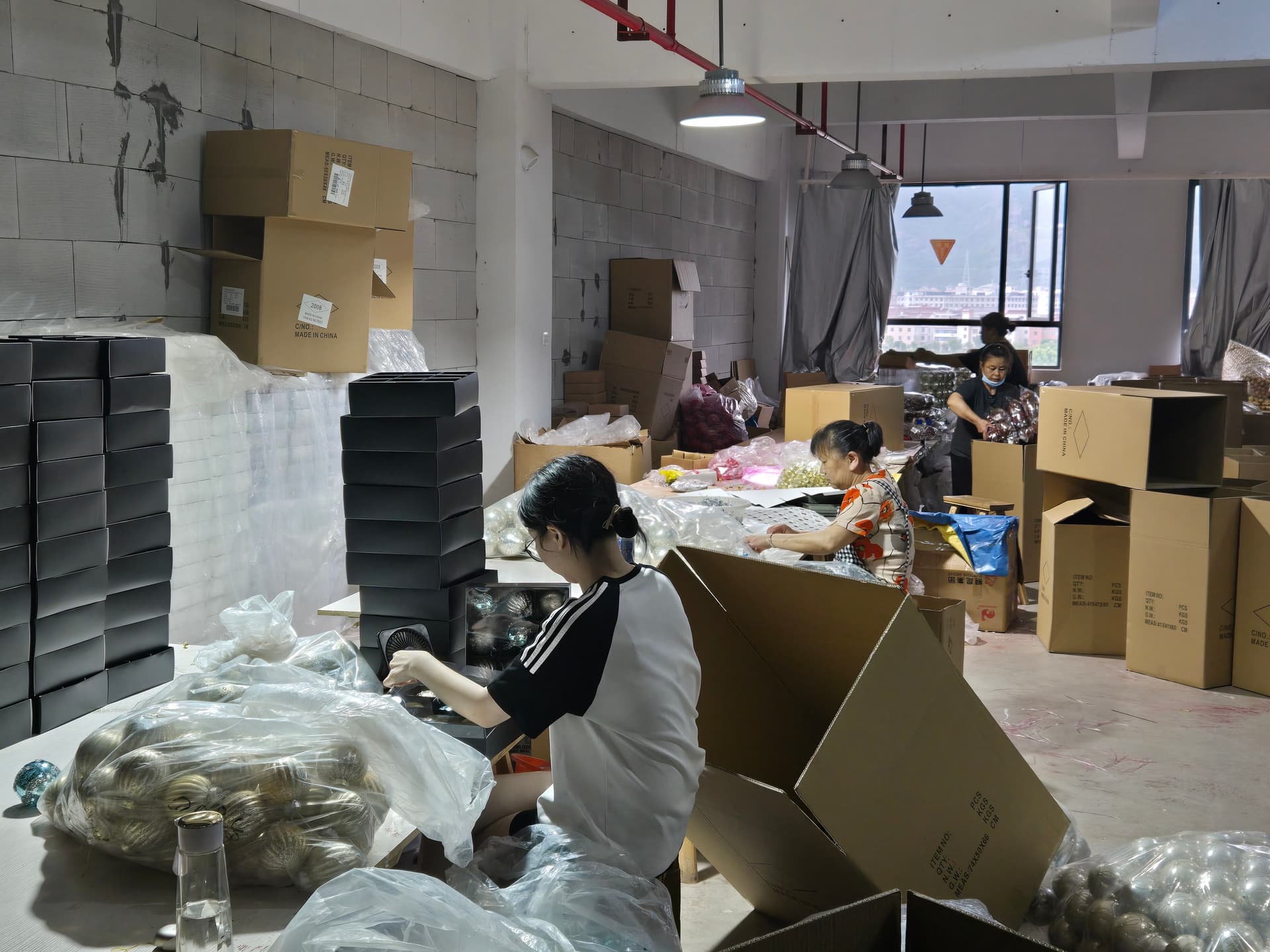
- Batch travelers tied to coating lots and master carton marks
- Pilot-to-bulk finish comparison under controlled lighting
- Cap torque and hang-alignment checks on sample bases
- Inner-pack drop fit and partition integrity per DC spec
Glass OEM lines add clarity and adhesion checks; resin OEM lines add impact and UV-coat verification when vendor manuals require them. Mixed walls need material-specific AQL notes so inspectors do not apply glass fragility criteria to shatterproof volume SKUs—or vice versa. glass Christmas balls wholesale · plastic Christmas ornaments
Export release and repeat-season planning
FOB release includes pallet photos, commercial invoice alignment, and carton marks verified against packing lists. Export staging coordinates production completion with nominated ocean bookings and moisture-management requirements for summer peaks. New OEM programs should approve GS1 symbology and pallet layouts before vessel—repeat programs inherit prior season evidence when unchanged. request a factory quote
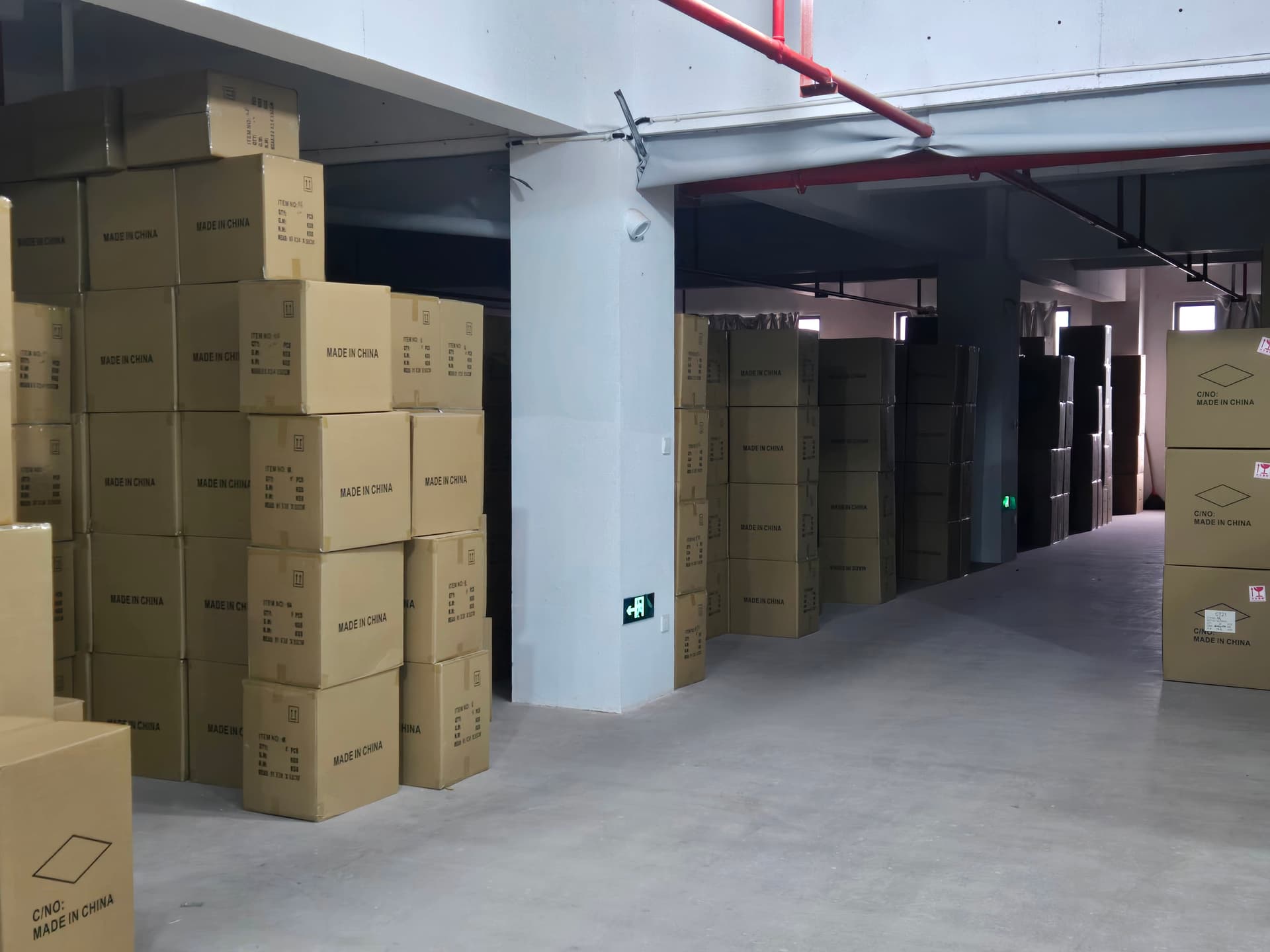
Wholesale MOQ bands, production capacity, channel economics, and FCL planning for seasonal programs are on our wholesale Christmas ornaments · wholesale Christmas ornaments manufacturers
Plan repeat seasons during first bulk: archive approved masters, tooling ownership terms, and packaging dielines in your vendor file. OEM Christmas ornament manufacturing rewards buyers who treat platforms as assets—not one-off buys—because coating bays, craft stations, and vessel windows can be reserved early when carry-forward SKUs are flagged in Q1 planning with the export desk. B2B sourcing blog · ODM Christmas ornaments guide
Cap and clip ownership should be explicit in OEM contracts—especially when hang geometry is brand-specific. Tooling deposits, amortization schedules, and repeat-season access rights prevent disputes when multiple suppliers quote similar shapes. Import desks should store cap metallization standards alongside finish boards so reorders do not depend on a single salesperson's memory of last year's pilot approval records.
EU-bound OEM programs need multilingual packaging copy, material declarations, and barcode symbology checks before bulk print—not after cartons arrive at port. US programs increasingly mirror that discipline through vendor portal uploads. Structure milestone payments around pilot approval, packaging sign-off, and pre-shipment evidence rather than around calendar guesses that ignore coating cure times. Post-vessel reviews should capture which finish families held color and which inner packs survived distribution centers so next season's brief improves before competitors repeat the same mistakes.
Sampling logistics matter for OEM Christmas balls: ship pilots via air with inner packs that mirror bulk intent so drop tests are valid. Showroom-only pilots in foam trays tell importers little about distribution-center outcomes. Request side-by-side photos of pilot inner pack against master carton marks before you authorize bulk coating. Brand holders entering ornaments for the first time should budget for pilot iteration—cap metallization and gift-box fit rarely perfect on strike one. request a factory quote
Tooling ownership clauses should state who retains molds and cap dies if the relationship ends—especially for proprietary hang geometry. Amortization across seasons lowers effective unit cost when platforms repeat; first-season buyers should model three-year carry-forward scenarios in finance review, not only maiden-order economics. Stakeholder alignment between merchandising, import, and QA should happen at brief—not at pre-shipment when creative adds SKUs after tooling starts.
Next steps with Shuanglin Crafts
Ready to scope a program? Request a factory quote with your assortment ladder and vessel dates, get our product catalog for finish families and MOQ bands, or send OEM requirements if you need custom caps, packaging, or private-label tooling. Request a factory quote · Get product catalog · Send OEM requirements
You can also review our production setup on the factory page or message the export team through contact when you need lead times confirmed before allocation. Factory tour · Contact export desk
Frequently asked questions
What is a realistic OEM timeline for new Christmas ball shapes?
New tooling and packaging often require 90–120 days to first vessel; repeat seasons on approved platforms may ship in 45–60 days when finishes and dielines are unchanged.
What files should brand teams provide for OEM ornament development?
Target in-store date, size ladder, finish references, packaging dieline when available, cap or clip geometry, and destination-market compliance requirements.
Does OEM Christmas ornament manufacturing include compliance packets?
Yes—material declarations, batch travelers, coating lot trace, and audit-aligned evidence can be structured to your vendor manual before bulk release.
Can OEM programs combine glass heroes with resin volume SKUs?
Mixed-material color walls are common when one signed palette document governs coating sources across platforms under a single private-label brief.
When should buyers start OEM sampling for Q4 retail?
Lock pilot sampling in Q1–Q2 and bulk coating before mid-summer vessel peaks—reverse-engineer from your in-store date and forwarder booking window.