How Christmas ball ornaments are made for wholesale
Understanding how Christmas ball ornaments are made protects your seasonal calendar, MOQ economics, and distribution-center receiving reality. Unlike flat décor or garland, spherical product demands humidity-aware handling, gentle conveyor pacing, and inner packs engineered around fragile curves. Wholesale buyers who treat balls like commodity giftware often discover coating drift, cap mismatch, or carton crush late—when photography, planograms, and compliance packets are already approved and markdown risk is already baked into the season. wholesale product catalog · request a factory quote
Shuanglin Crafts supports wholesale buyers with finished ornament platforms, OEM development, factory tours, and direct export desk contact—use the links below when you are ready to move from research to sampling. product catalog · OEM program overview · factory tour · contact the export desk
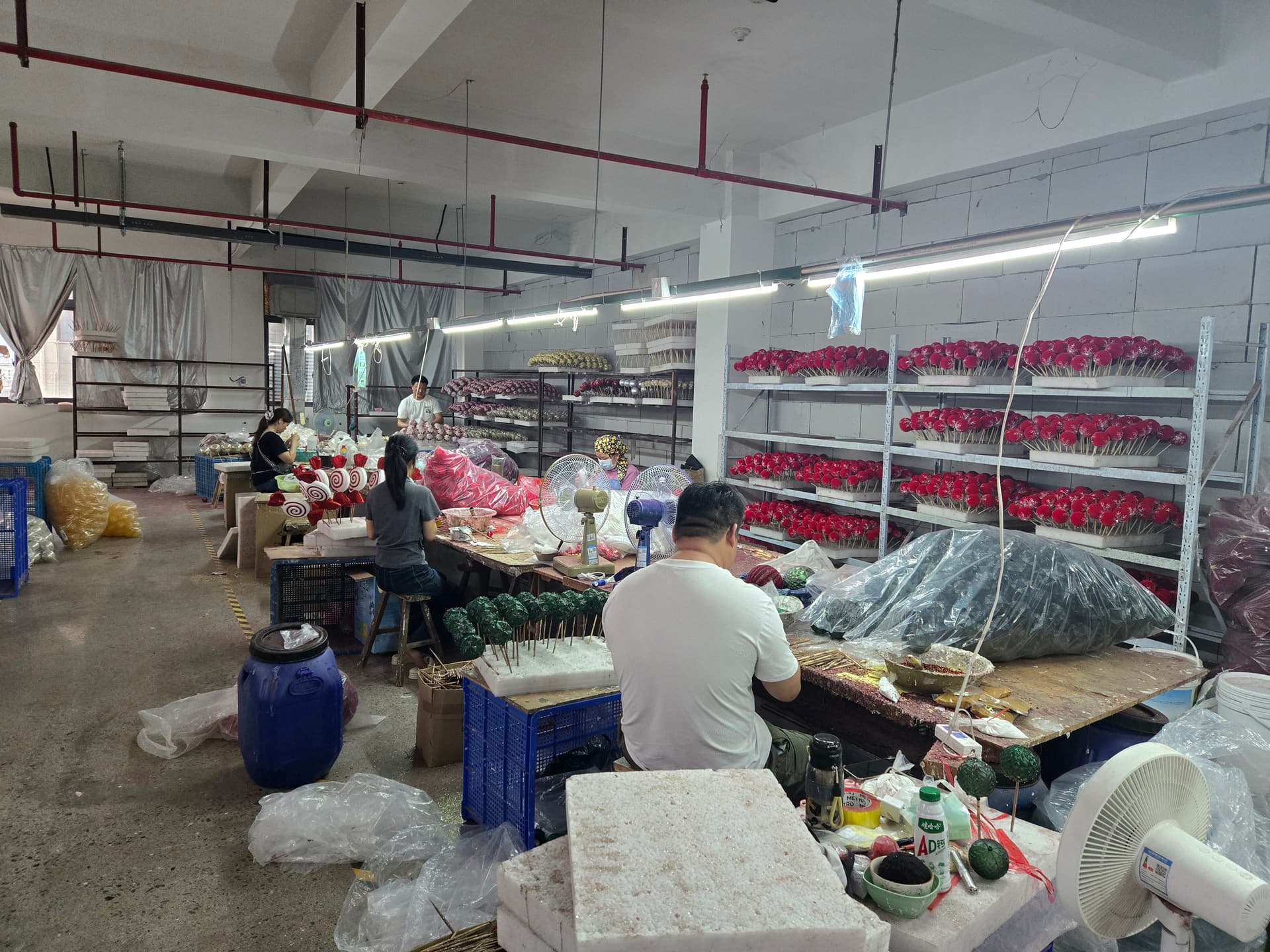
A dedicated Christmas ornament manufacturer documents each gate: material intake, forming, coating, hand-finishing, inspection, inner pack, master carton, and pallet staging. This article walks through that flow so sourcing teams can ask sharper questions, map sampling windows, and align factory output with US and European retail expectations. Whether you import glass hero SKUs, resin volume walls, or OEM private-label sets, the sequence below applies to every serious wholesale program.
Shuanglin Crafts runs ball-native programs for North American and European buyers. Production is organized around finishing bays, craft stations for lustre and hand detail, and export staging aligned to nominated vessel windows. Programs are lot-locked for color matching with batch travelers your QA partner can audit against signed finish masters. That documentation discipline separates ornament factories from general giftware repackers who cannot trace coating lots or hang geometry back to a pilot standard. Christmas ornament factory
Glass and resin ball platforms
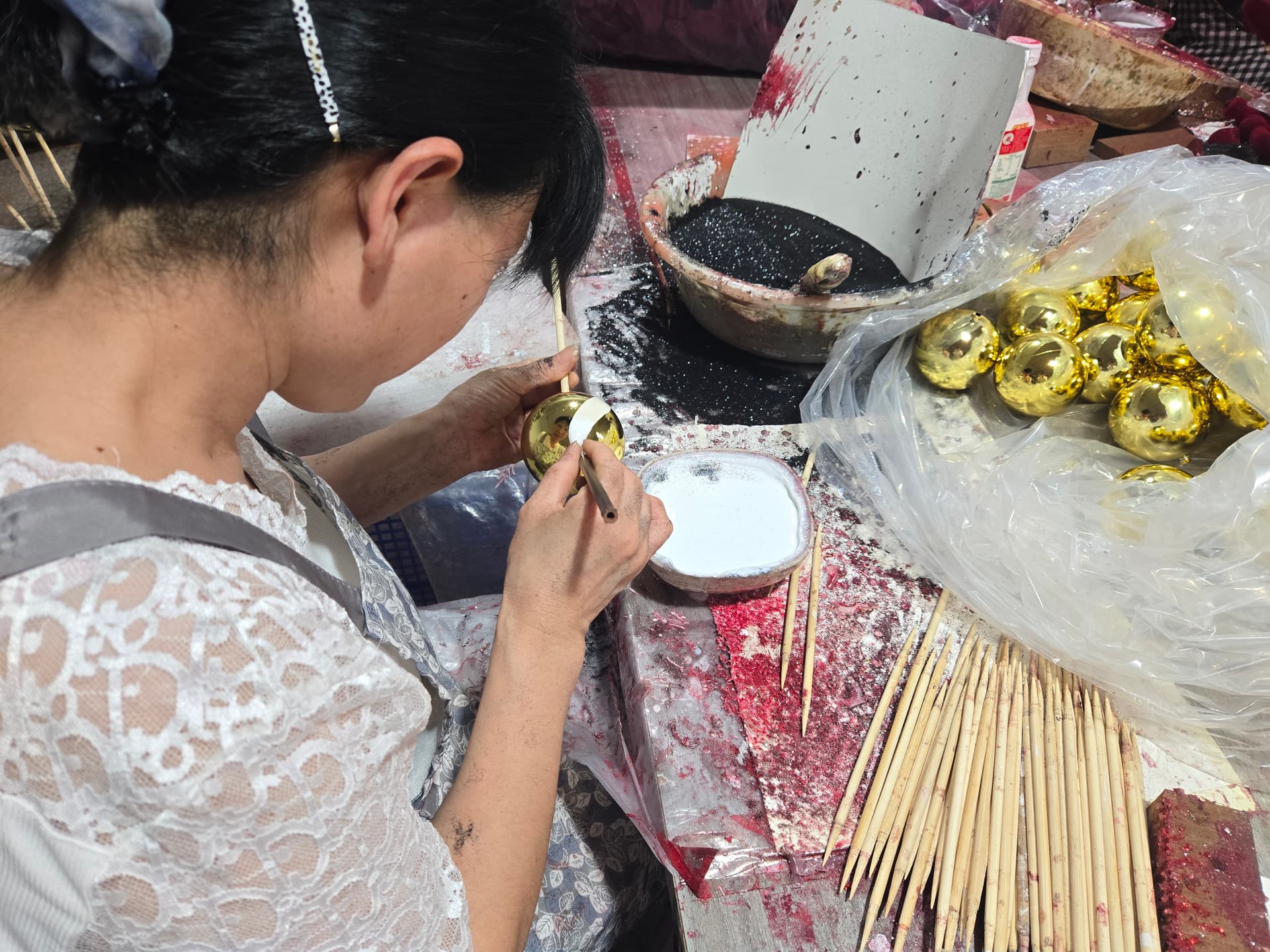
Glass Christmas balls start from clear or pre-coated spheres with interior metallic washes—silver, gold, pearl—before exterior lacquer, matte, or lustre systems. Borosilicate-grade clarity and hang balance are inspected before coating bays open. Specialty doors prize reflectivity and cap metallization; club and mass channels may still use glass for hero sizes while resin carries volume on the same color wall. glass Christmas balls wholesale
For factory experience, OEM capability, showroom access, and export programs beyond this topic, see our Christmas ornament manufacturer · OEM Christmas ornament development
Plastic and shatterproof Christmas ornaments use ABS or PP resin with UV-stable exterior coats, glitter infusion, and brushed metallic films. Impact resistance and consistent hang weight matter for hospitality, value retail, and large fixture walls. MOQ economics often favor higher per-color volumes on resin with full-container-load mixed-container efficiency when buyers coordinate set architecture early. plastic Christmas ornaments
Size ladders and set architecture
Standard molds cluster between 40 mm and 120 mm for glass, with 50 mm to 100 mm focus sizes for resin club programs. Set counts—6, 8, 12, 24—drive inner-pack density and master carton dimensions. OEM development can specify custom hang geometry when caps and clips are part of the brand architecture. Share your ladder before RFQ so the factory maps lowest viable lots per colorway and avoids surprise MOQ bands after creative has locked planogram counts.
Mixed-material walls—glass statement sizes above resin volume SKUs—require one signed palette document so coating drift does not split the fixture story mid-season. Merchandising teams should confirm which sizes are hero versus volume before sampling so coating bays and craft stations are scheduled in the right sequence for your in-store date and photography window. Early alignment prevents costly re-coating holds mid-bulk.
Forming, coating, and metallization
Forming establishes wall thickness and hang-point integrity. Exterior coating windows run after interior washes lock; pilot lots compare masters under the same pigment sources used in bulk. Metallization on caps coordinates with finish families so planogram stories stay coherent across a color wall. Glitter bands, pearl veils, and satin exteriors each carry different line setup times that importers should factor into lead-time conversations with the export desk before vessel windows close.
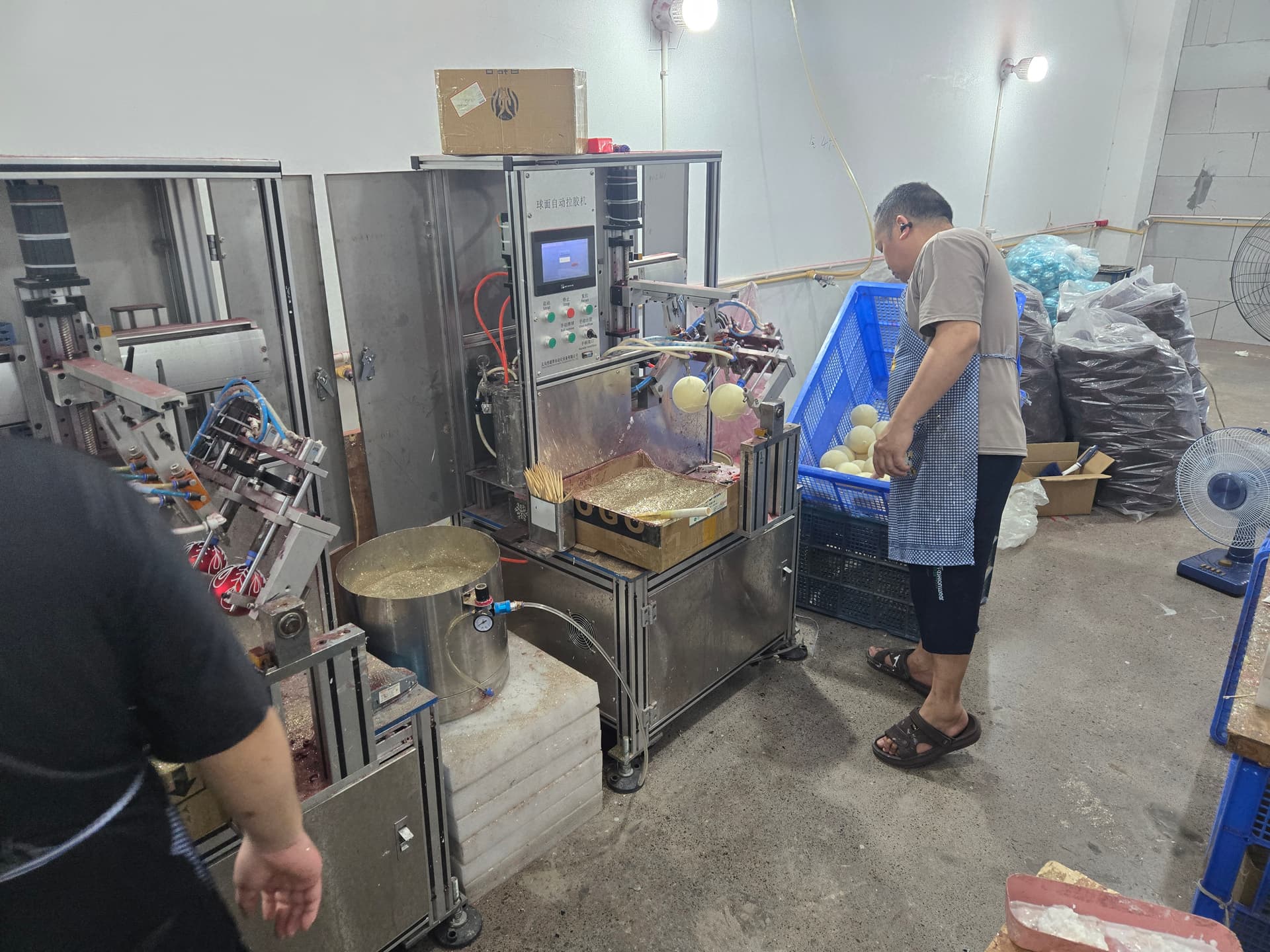
Rush orders that skip pilot comparison are a common source of seasonal returns and markdown risk. Factor coating complexity into vessel planning—high-lustre and micro-glitter SKUs need longer curing windows than matte resin volume lines. Luxury programs often combine measured metallics with rigid gift-box presentation; those SKUs need longer craft-station allocation than commodity matte resin walls booked for club channels where PDQ density and drop tests drive packaging decisions. luxury Christmas decorations
Line changeovers between finish families consume calendar days that merchandising teams sometimes forget when they add last-minute SKUs to an approved ladder. Document which colors share pigment sources and which require isolated coating runs so bulk scheduling reflects reality. Factories that run glass and resin under one roof can sometimes sequence hero glass lots before resin volume walls when palette documents are signed early.
Hand-finishing and craft gates
Hand-finishing covers lustre accents, hand-painted details, flock, and artisan textures reserved for premium doors. Craft stations work to signed finish boards; deviations trigger hold-and-review before inner pack. Document which SKUs require craft time versus line-only finishes so merchandising calendars reflect realistic bulk windows.
Factory-direct supplier vetting and wholesale sourcing checklists appear on our Christmas ornament supplier · wholesale Christmas ornaments manufacturers
For private-label and OEM Christmas ornament programs, finish approval locks pigment sources and cap metallization before bulk coating opens. Repeat seasons on approved platforms shorten lead times when tooling and packaging dielines are already signed. New finish families on existing molds still require pilot comparison under controlled lighting. OEM development process · OEM Christmas ornaments
Quality control that importers should expect
QC is more than final acceptable-quality-level sampling. Glass programs need clarity checks, coating adhesion review, and hang-balance verification. Resin lines add impact and UV-coat tests when vendor manuals require them. Batch travelers should tie coating lots to master cartons so your QA partner can trace a distribution-center complaint back to production.
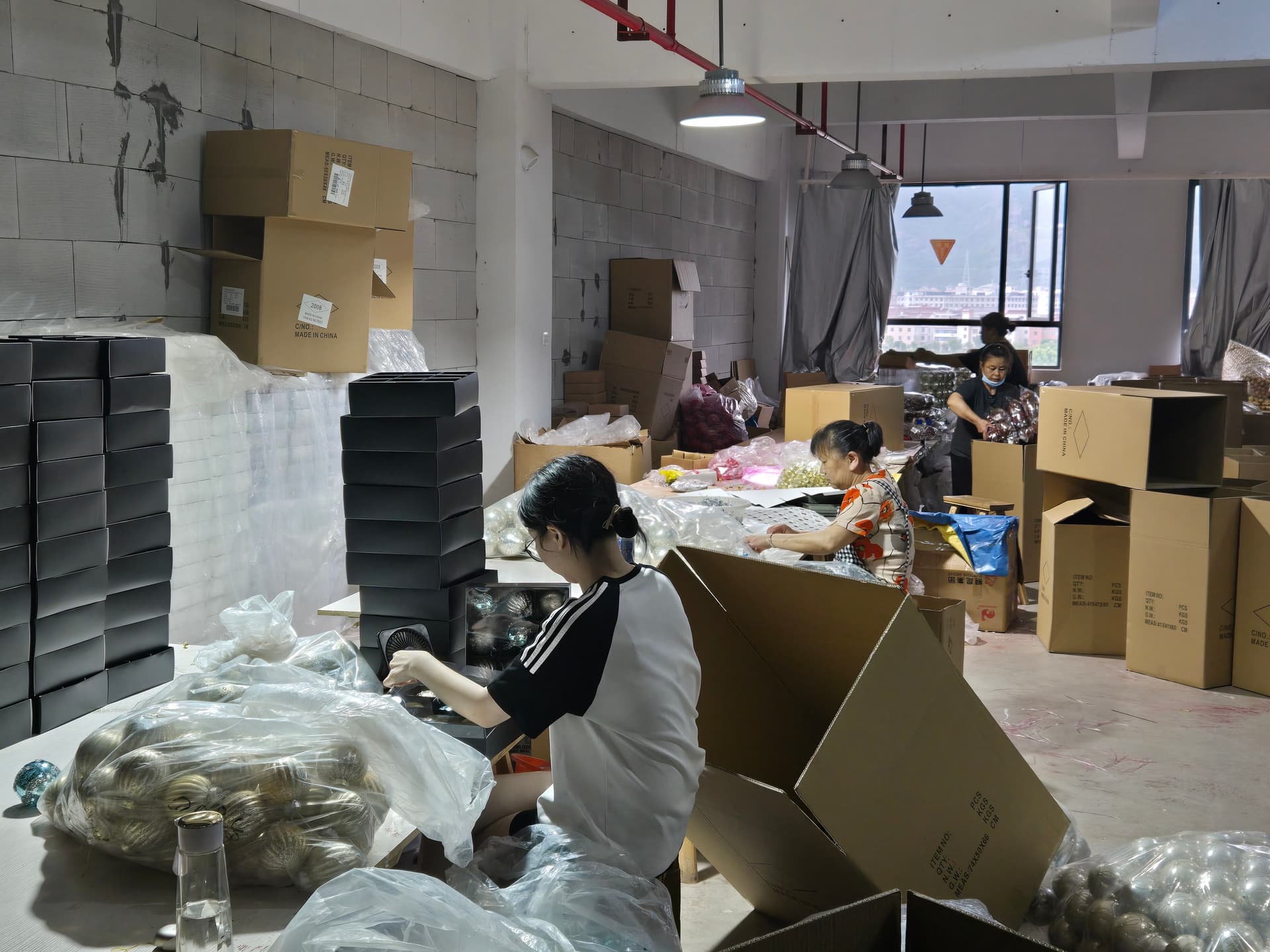
- Pilot-to-bulk comparison under controlled lighting
- Cap torque and hang alignment checks
- Inner-pack drop fit and partition integrity
- Carton mark verification against commercial invoice
Evidence can be packaged for vendor portals—especially for private-label programs where social audit tracks and material declarations must align to your vendor manual before release. Request pilot lot photos and coating lot traceability during sampling, not after vessel booking. Importers who wait until pre-shipment inspection often lose the window to hold coating corrections without missing the seasonal reset or paying air-freight premiums to recover shelf dates.
Third-party QA partners increasingly ask for hang-balance photos and cap torque records tied to master carton labels. Structure your RFQ to request those artifacts at pilot approval so bulk production inherits the same checklist. When programs mix glass heroes with resin volume SKUs, specify separate AQL notes per material so inspectors do not apply glass fragility criteria to shatterproof lines—or vice versa.
Packaging and export staging
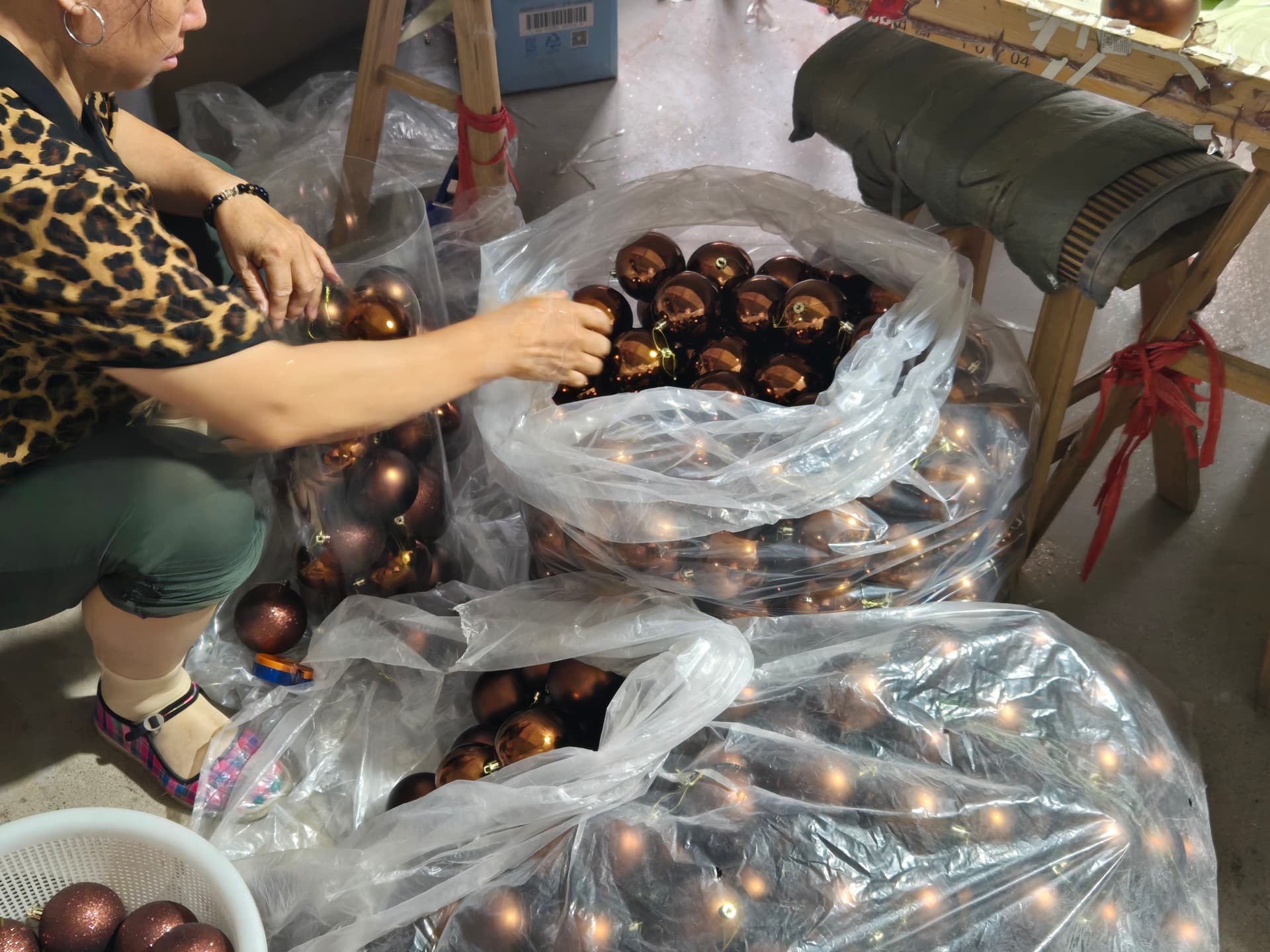
Inner packs—egg crate, foam-fit, window box—define distribution outcomes as much as finish quality. Master cartons need corner protection and weight distribution suited to your forwarder lane. Pallet photos and GS1-friendly symbologies should be approved before vessel when programs are new.
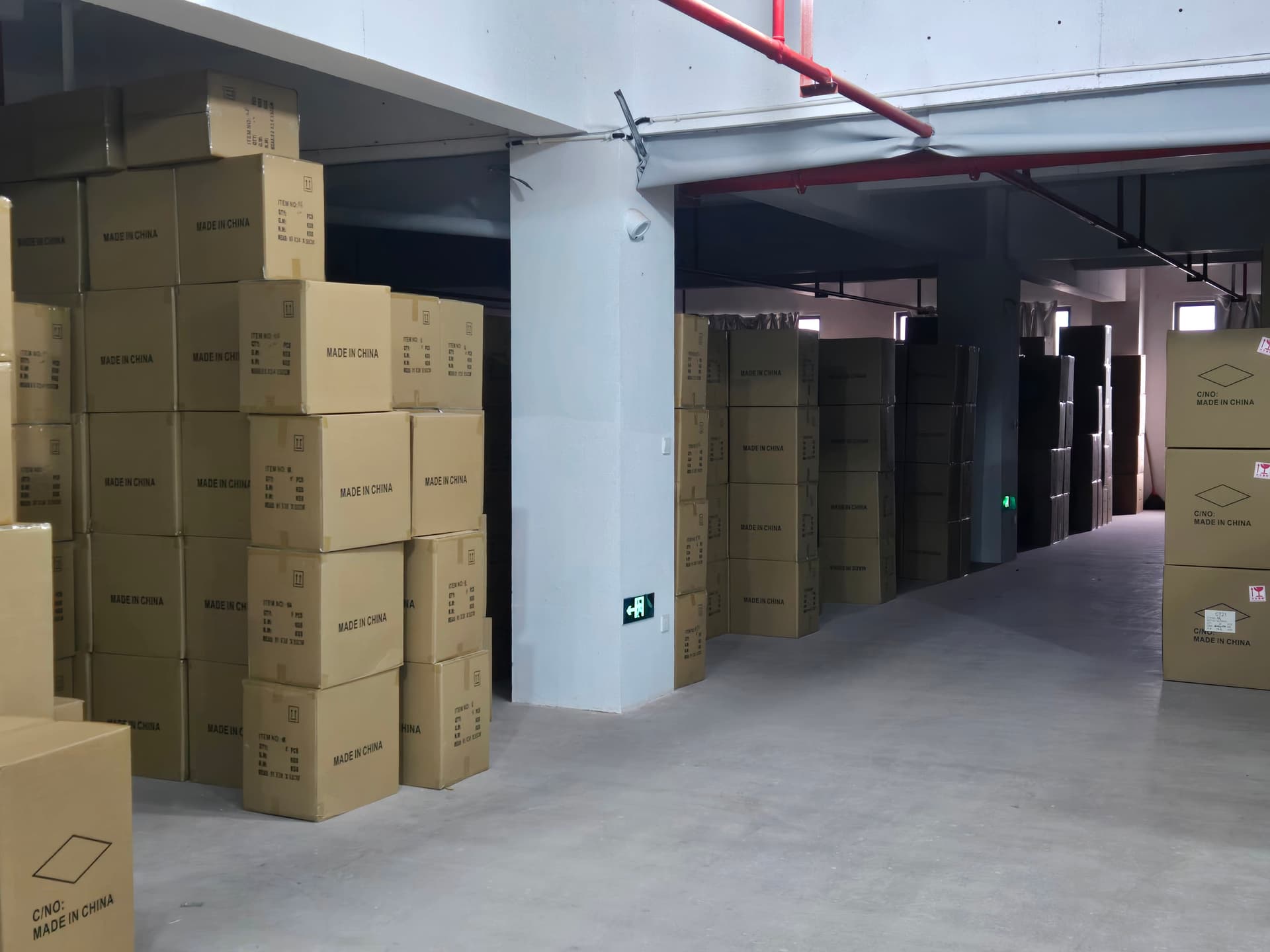
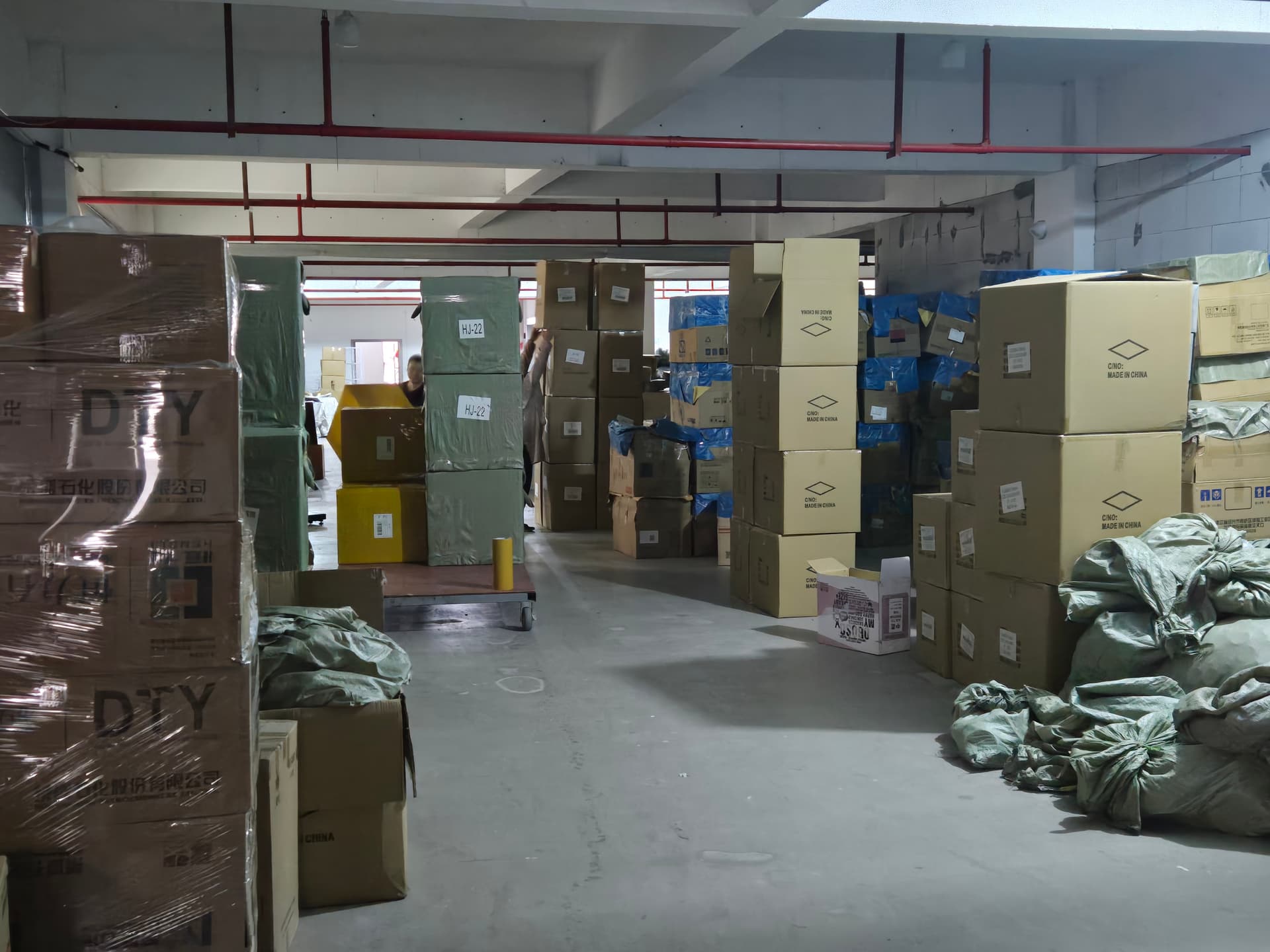
Export staging aligns production release with nominated ocean bookings. FOB discipline keeps commercial invoice, packing list, and carton marks coherent for US and EU import desks. Moisture management and carton stacking limits should be confirmed with your forwarder when programs ship through humid summer peaks. Staging photos help your import desk reconcile pallet counts before customs entry and reduce disputes when carton marks differ from booking manifests. request a factory quote
What wholesale buyers should document
Wholesale MOQ bands, production capacity, channel economics, and FCL planning for seasonal programs are on our wholesale Christmas ornaments · wholesale Christmas ornaments manufacturers
- Target in-store date and reverse-engineered vessel window
- Finish masters or Pantone references per color story
- MOQ bands per colorway and set-count architecture
- Packaging dieline or bulk-export-only confirmation
- Compliance attachments for EU doors when applicable
Pair this manufacturing overview with our MOQ guide, supplier checklist, and import desk notes before you place seasonal allocation. Cross-reference glass versus plastic guidance when your fixture mixes materials under one palette document. The export desk can map your assortment to documented gates once brief, ladder, and packaging intent are shared in the first RFQ—not after creative has frozen photography and planogram counts for the seasonal reset. B2B sourcing blog
Next steps with Shuanglin Crafts
Ready to scope a program? Request a factory quote with your assortment ladder and vessel dates, get our product catalog for finish families and MOQ bands, or send OEM requirements if you need custom caps, packaging, or private-label tooling. Request a factory quote · Get product catalog · Send OEM requirements
You can also review our production setup on the factory page or message the export team through contact when you need lead times confirmed before allocation. Factory tour · Contact export desk
Frequently asked questions
How long does it take to manufacture Christmas ball ornaments?
Pilot sampling often runs 10–21 days for glass and 12–16 days for resin. Bulk production typically ships in 35–70 days depending on finishes, MOQ, and vessel windows.
Are Christmas balls made by hand or machine?
Both: molding and coating are line-based, while lustre, hand paint, and gift-box packing use craft stations with documented standards.
What should importers verify at the factory?
Request batch travelers, coating lot trace, inner-pack photos, and pilot-to-bulk comparison under controlled lighting—not showroom samples alone.
Can one factory produce glass and plastic balls?
Focused ornament manufacturers often run both platforms under one palette document—useful for color-wall programs spanning materials.
When should buyers lock capacity for Q4?
Align sampling in spring and bulk coating windows before mid-summer vessel peaks for North American retail resets.