Glass vs plastic Christmas balls for wholesale buyers
Wholesale teams constantly weigh glass versus plastic Christmas balls when building seasonal assortments for specialty retail, club channels, hospitality, and e-commerce. The right choice depends on door positioning, MOQ economics, distribution-center drop requirements, fixture weight limits, and whether the program is commodity volume or premium presentation. Treating the decision as a single-material default often produces planogram surprises when hang weight, reflectivity, or breakage tolerance does not match the channel brief. Share drop-test specs and inner-pack references in the RFQ so factory quotes reflect receivable production intent. Christmas decoration manufacturer · B2B sourcing blog · wholesale product catalog
Shuanglin Crafts supports wholesale buyers with finished ornament platforms, OEM development, factory tours, and direct export desk contact—use the links below when you are ready to move from research to sampling. product catalog · OEM program overview · factory tour · contact the export desk
This B2B guide compares glass and shatterproof resin platforms on the dimensions importers actually negotiate: per-color MOQ, inner-pack engineering, finish depth, compliance documentation, and mixed color-wall strategy. Use it alongside manufacturing and MOQ articles in our sourcing blog before you lock seasonal allocation with a Christmas ornament factory. Document vessel windows and coating complexity early so sampling dates stay realistic for your merchandising calendar.
Both materials support OEM caps, retail packaging, and FOB export documentation when sourced from a ball-native manufacturer. The difference is which channel constraints dominate your vendor manual—impact resistance and club-scale volume versus reflectivity, cap metallization, and gift-set perceived value on specialty doors. Attach vendor manual excerpts when available so material choice aligns with enforceable channel requirements. Christmas ornament factory
Side-by-side comparison for import desks

For factory experience, OEM capability, showroom access, and export programs beyond this topic, see our Christmas ornament manufacturer · OEM Christmas ornament development
- Glass: premium reflectivity, heavier hang weight, partition inners, lower breakage tolerance in transit
- Plastic/resin: impact resistance, club-scale MOQ, consistent planogram weight, PDQ-friendly density
- Both: OEM cap options, retail packaging paths, and FOB export documentation from focused factories
- Mixed walls: one palette document can span materials when coating sources are locked at pilot
Import desks should attach drop-test requirements and inner-pack photos to the RFQ—not assume resin automatically passes club specs or that glass always needs the same partition geometry. Forwarder lane and summer humidity also influence which inner packs survive distribution centers without crush or coating sweat. Request pilot-to-bulk comparison criteria before photography schedules lock color stories for the season.
When to specify glass Christmas balls
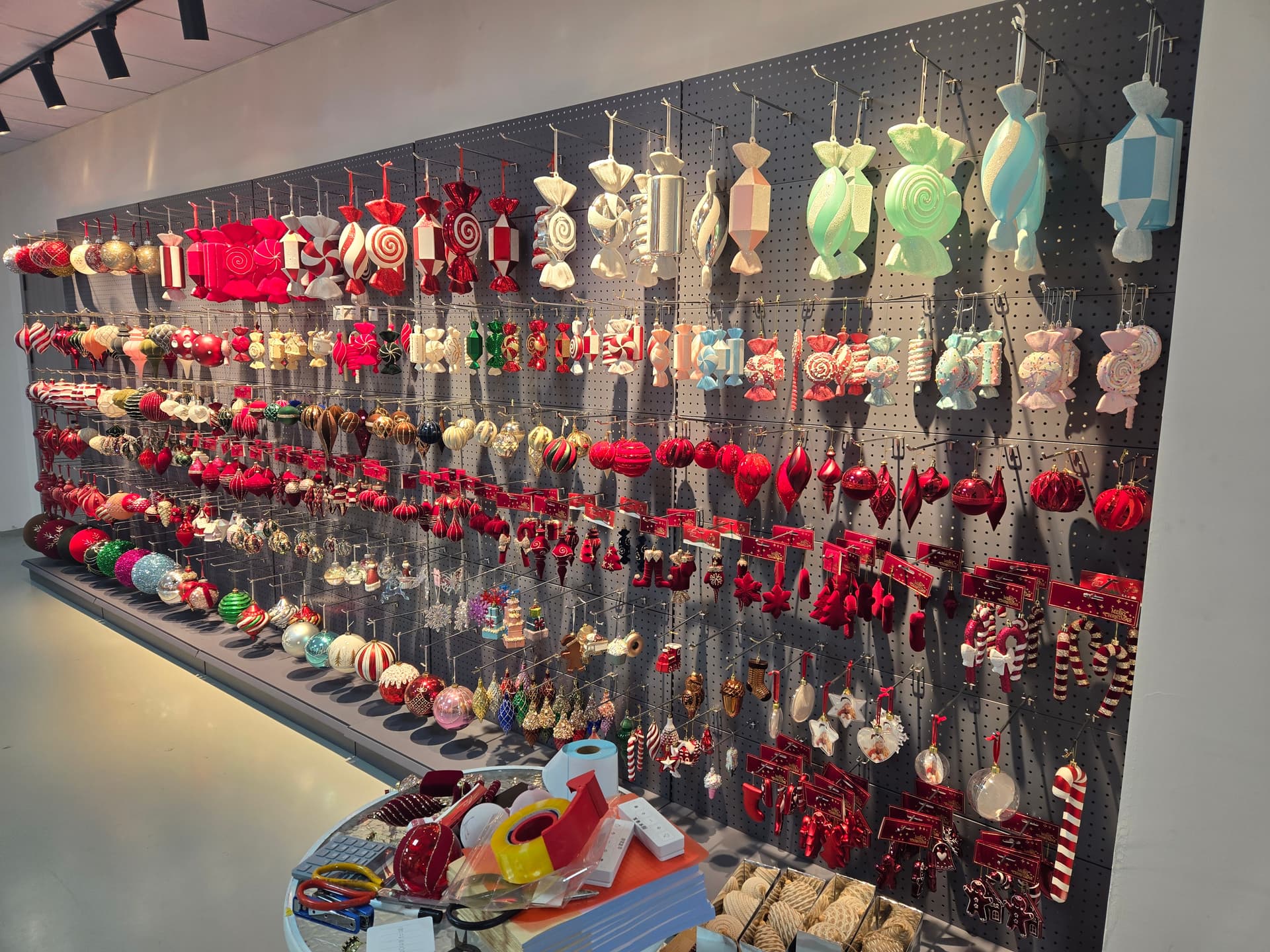
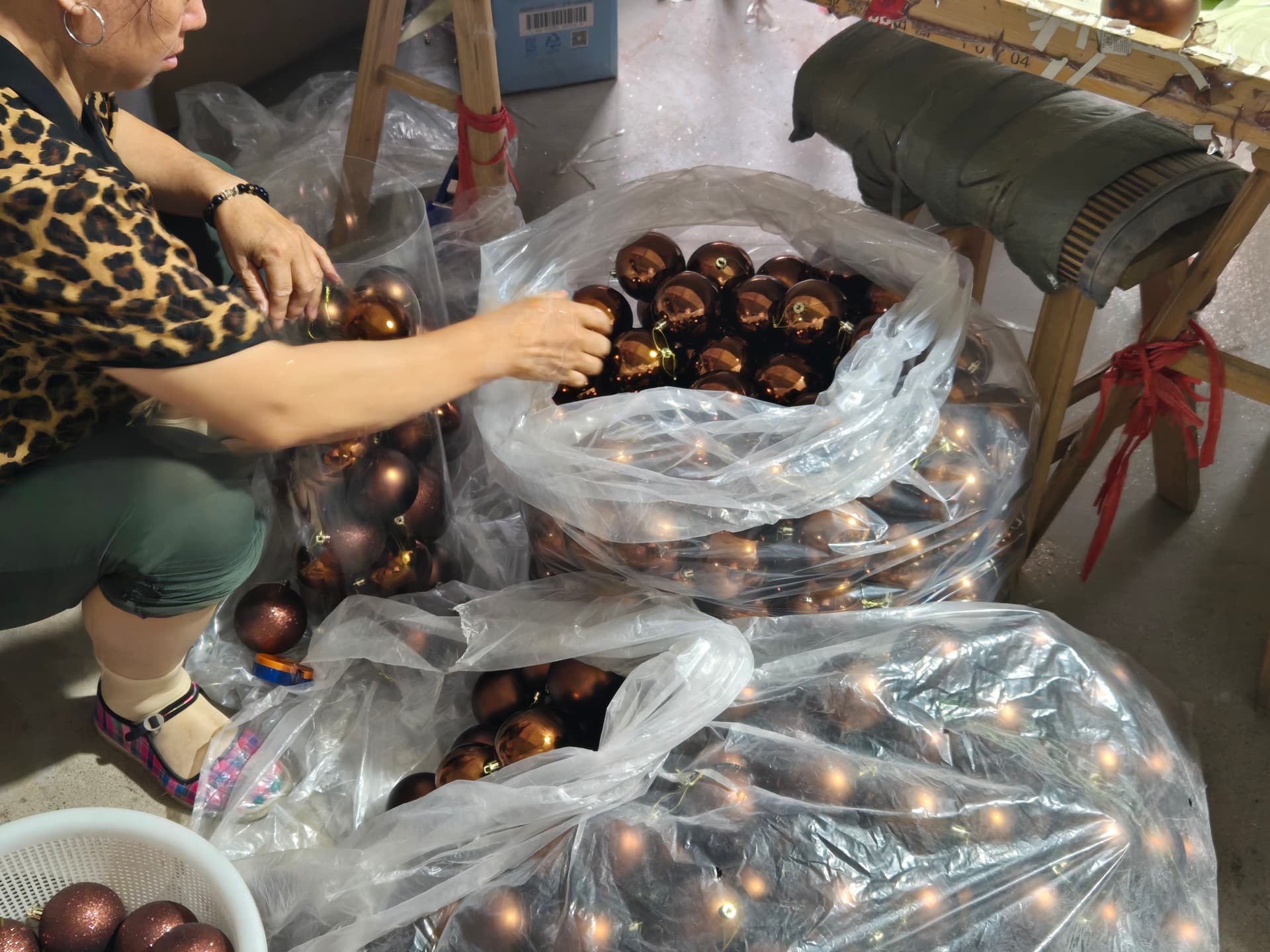
Choose glass for specialty retail, luxury gift sets, and high-lustre stories where reflectivity and cap metallization drive perceived value. Glass Christmas balls supplier programs document lustre matching, interior washes, and export-safe inners that protect curves through ocean transit and DC handling. Hero sizes on fixture tops and photographed gift sets typically remain glass even when resin carries volume on the same palette wall. Align import desk, merchandising, and QA on signed masters before bulk coating bays open for the program. glass Christmas balls wholesale · luxury Christmas decorations
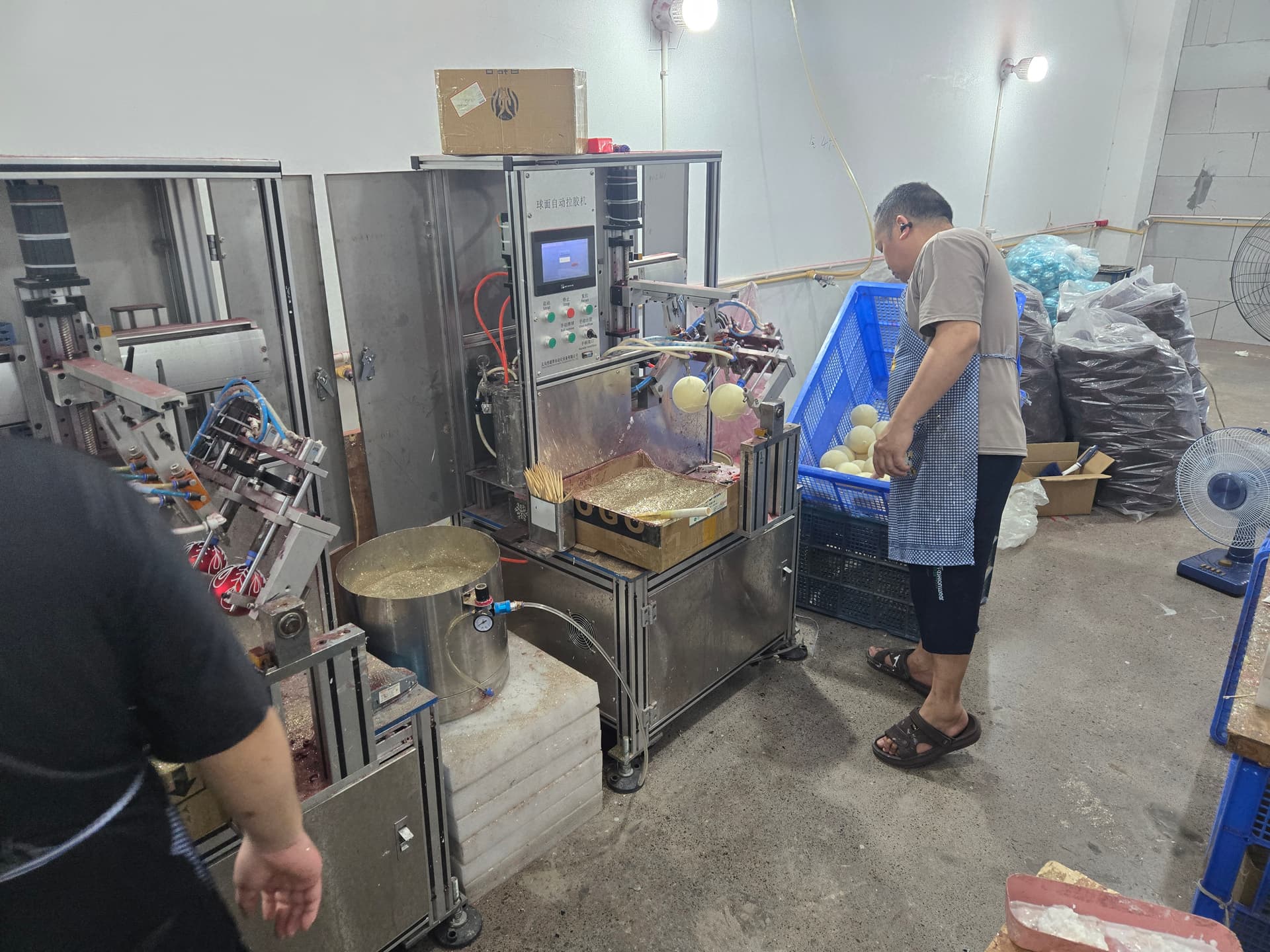
Glass MOQ bands often start around 3,000–5,000 pieces per colorway for standard finishes, with longer craft allocation for hand-painted or micro-glitter heroes. Unit economics favor premium price points and smaller set counts rather than club-scale walls. Buyers should confirm hang-weight limits on fixtures and trees when specifying large glass diameters above 100 mm. Model forwarder stack limits and carton cube when comparing glass partition inners against resin PDQ layouts.
Glass inner packs and DC reality
Glass programs depend on egg-crate partitions, foam-fit gift boxes, or custom inners engineered around spherical stress points. Master cartons need corner protection and weight distribution matched to your forwarder stack height. Pre-shipment photos of inner-pack fit against signed masters help import desks reject crush-prone configurations before vessel departure. Treat finish boards as binding documents—not mood references—when OEM or private-label programs go to bulk.
When to specify plastic and shatterproof resin
Specify shatterproof resin for mass retail, wholesale club resets, hospitality installs, and e-commerce programs that require impact resistance and higher per-color volume MOQ. PDQ and pallet layouts should be confirmed at sampling when vendor manuals specify drop tests from fixture height or conveyor transfer points. Reserve factory coating capacity in writing when multiple colorways share pigment sources under one palette wall. plastic Christmas ornaments
Factory-direct supplier vetting and wholesale sourcing checklists appear on our Christmas ornament supplier · wholesale Christmas ornaments manufacturers
Resin club programs often scale at 8,000–10,000+ pieces per color with full-container-load mixed-container efficiency when set architecture is shared early. UV-stable exterior coats and consistent hang weight simplify planogram planning versus mixed glass heroes. Matte and satin resin finishes photograph well online when glitter is used sparingly on premium SKUs—not cluttered across entire walls. Share drop-test specs and inner-pack references in the RFQ so factory quotes reflect receivable production intent.
Mixed-material seasonal color walls
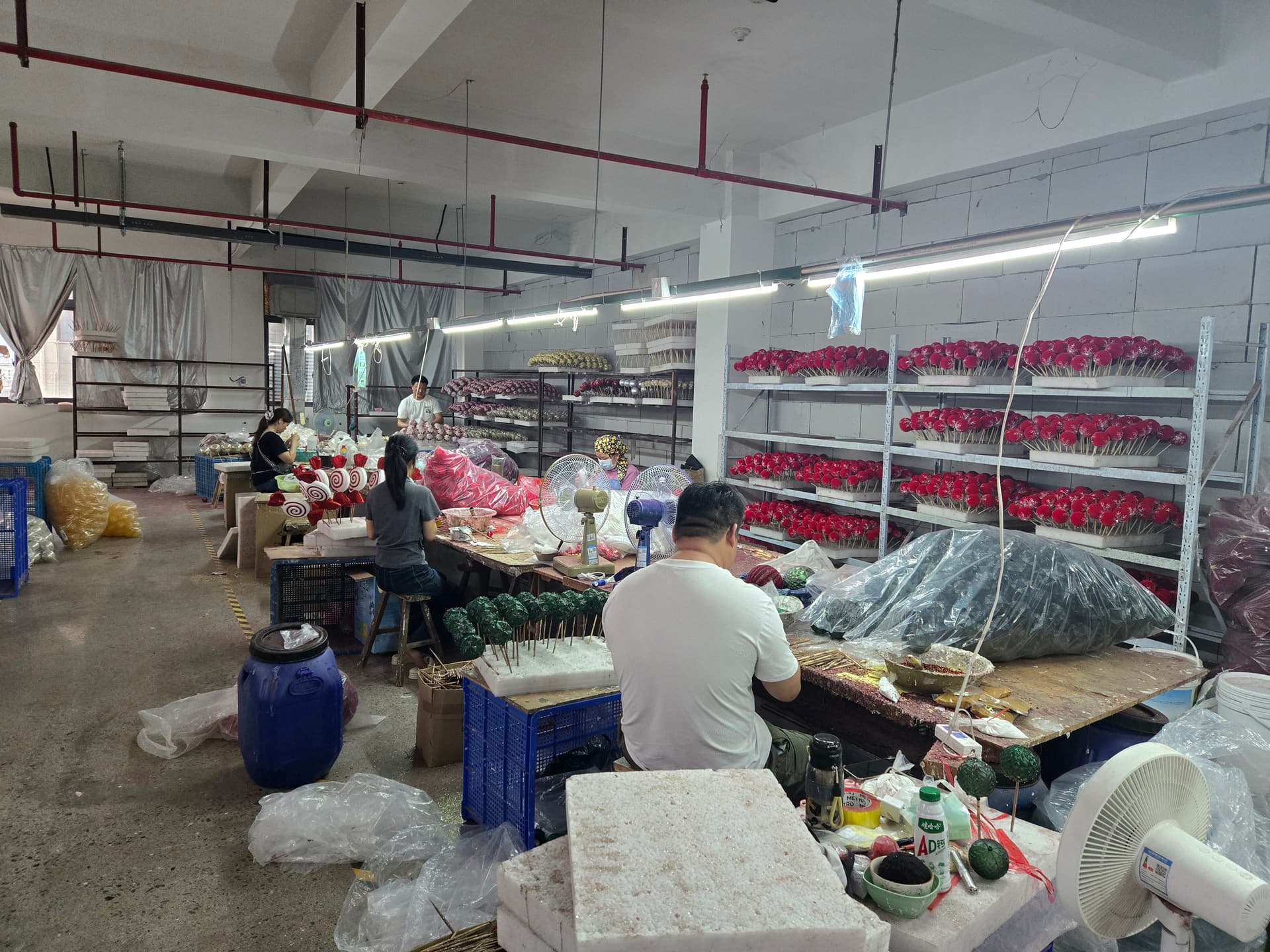
Fixture-ready color walls can combine glass hero SKUs with resin volume sizes under one palette document—common under OEM Christmas ornament development for retailers that want reflectivity at eye level and shatterproof volume at basket-fill price points. Merchandising must flag which sizes are glass versus resin before sampling so coating bays sequence correctly. Document vessel windows and coating complexity early so sampling dates stay realistic for your merchandising calendar. OEM development process · OEM Christmas ornaments
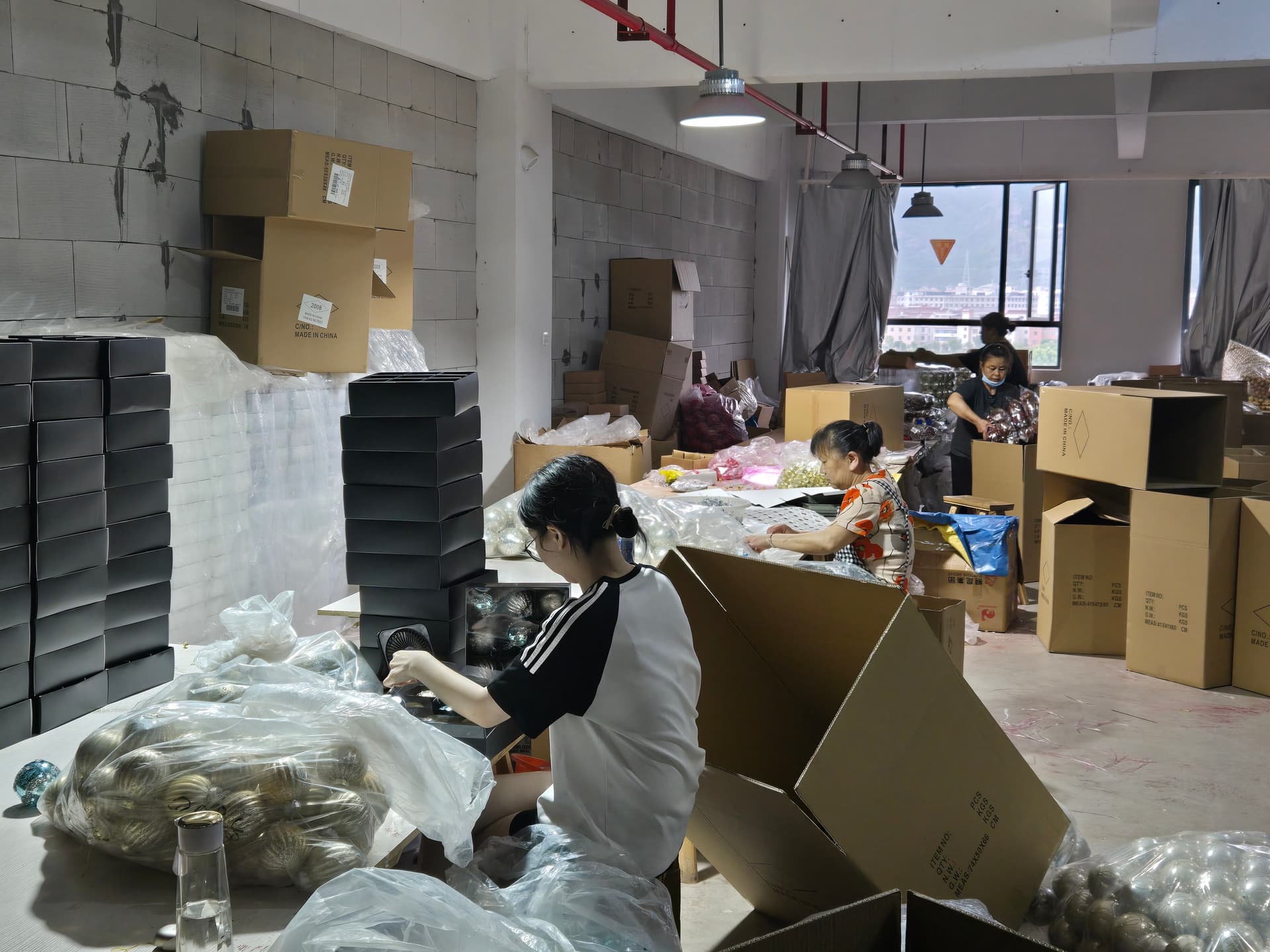
Mixed walls require material-specific compliance attachments while keeping one finish board for creative. Photography teams should shoot approved pilots from both platforms under the same lighting before marketing locks color stories. When imports arrive, receiving should inspect glass and resin cartons against separate inner-pack checklists even if master palette documents are unified. Attach vendor manual excerpts when available so material choice aligns with enforceable channel requirements.
MOQ and landed-cost considerations
Landeds are not decided by material alone—finish complexity, packaging format, and vessel timing dominate. Glass specialty with gift boxes may land higher per piece at lower MOQ than matte resin walls at club scale. Model scenarios with your forwarder: partition weight, carton cube, and breakage reserve assumptions differ by material and channel. Request pilot-to-bulk comparison criteria before photography schedules lock color stories for the season. request a factory quote
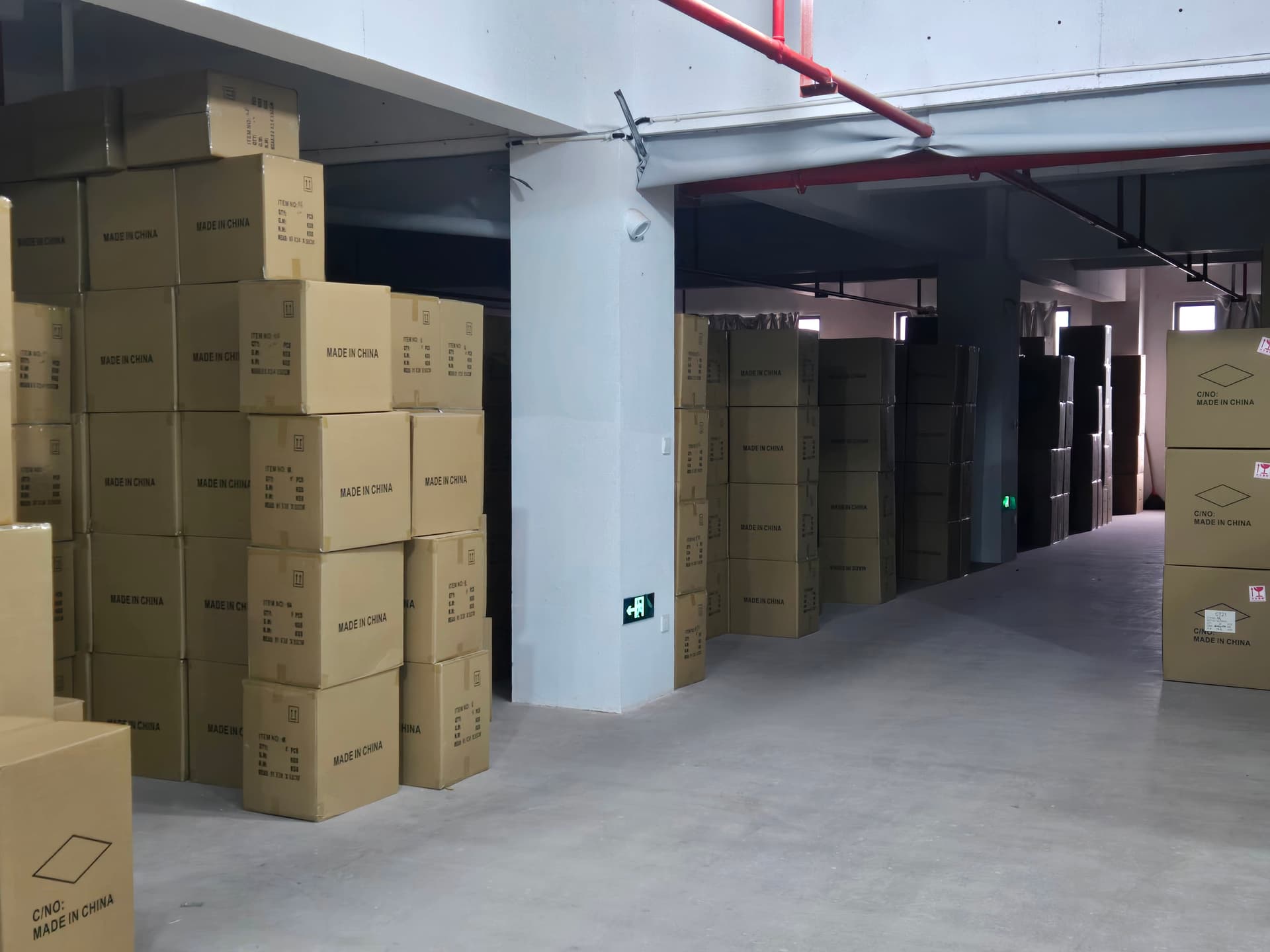
Wholesale MOQ bands, production capacity, channel economics, and FCL planning for seasonal programs are on our wholesale Christmas ornaments · wholesale Christmas ornaments manufacturers
Request side-by-side quotes when your brief allows either material for mid-tier SKUs. A ball-native factory can document both paths under one palette so you choose based on channel constraints—not based on which product line the salesperson prefers to run that month. Align import desk, merchandising, and QA on signed masters before bulk coating bays open for the program.
Seasonal transitions expose material mistakes quickly: resin specified where glass was merchandised reads as cheap on specialty doors, while glass specified in hospitality installs creates liability and breakage claims. Document the channel brief in the RFQ and attach vendor manual excerpts for drop tests, hang-weight limits, and inner-pack requirements so quotes reflect enforceable specs.
E-commerce photography amplifies finish differences—glass reflectivity and cap sparkle sell hero images, while matte resin reads clean in grid views when glitter is controlled. Merchandising should align material choice to primary sales channel before factory sampling, not after creative selects images from a different material entirely.
Vendor scorecards for seasonal ornaments should weight inner-pack integrity and coating traceability alongside unit price. A cheaper resin quote with untested partitions often loses margin in DC claims; a glass quote with documented egg-crate masters may land higher per piece but lower total cost of ownership through the reset.
Fixture weight limits on slatwalls and gondola arms affect material choice more than buyers admit until install teams complain. Model hang weight per size run before you lock ladder—large glass diameters may need fewer units per facing or reinforced hooks, while resin volume sizes simplify load planning across long color runs.
Import compliance teams should receive material declarations per SKU at pilot, not at vessel. Glass and resin carry different substance disclosures and recycling claims in several EU markets; mixing materials under one private-label brand without SKU-level paperwork slows customs clearance even when the palette looks unified on the fixture.
Next steps with Shuanglin Crafts
Ready to scope a program? Request a factory quote with your assortment ladder and vessel dates, get our product catalog for finish families and MOQ bands, or send OEM requirements if you need custom caps, packaging, or private-label tooling. Request a factory quote · Get product catalog · Send OEM requirements
You can also review our production setup on the factory page or message the export team through contact when you need lead times confirmed before allocation. Factory tour · Contact export desk
Frequently asked questions
Are plastic Christmas balls cheaper at wholesale MOQ?
Resin lines often scale at higher per-color MOQ with lower unit economics in mass channels; glass specialty programs may run lower per-finish MOQ with premium positioning on specialty doors.
Can glass and plastic Christmas balls share one color story?
Yes—OEM color-wall programs can document unified palettes across materials when one signed finish board governs coating sources for both platforms.
Which material passes stricter distribution-center drop tests?
Shatterproof resin is specified for high-traffic, club, and hospitality installs; glass uses partition inners and drop-tested masters—share your DC spec during RFQ.
When should buyers choose glass over plastic for the same fixture?
Use glass for hero reflectivity and gift-set presentation; use resin for volume sizes, PDQ density, and installs where impact resistance is mandated in the vendor manual.
Do mixed glass-and-plastic walls complicate import compliance?
Material declarations differ by SKU; structure compliance packets per platform while keeping one palette document for merchandising consistency.