Shatterproof Christmas ornaments occupy the volume spine of most US and EU seasonal resets—club PDQ walls, hospitality installs, value retail, and e-commerce shipper programs where impact resistance and consistent hang weight matter more than mirror reflectivity. plastic Christmas ornaments · B2B sourcing blog
Shuanglin Crafts supports wholesale buyers with finished ornament platforms, OEM development, factory tours, and direct export desk contact—use the links below when you are ready to move from research to sampling. product catalog · OEM program overview · factory tour · contact the export desk
Resin is not a cheap glass substitute when specified correctly: ABS and PP platforms carry UV-stable exterior systems, glitter and metallic films, and MOQ economics tuned to FCL mixed containers. Importers who treat shatterproof SKUs as afterthoughts often miss adhesion tests, planogram weight targets, and PDQ cube alignment.
This guide explains material platforms, finish options, testing expectations, and when to pair resin with glass hero SKUs. Compare glass and plastic programs in our companion article and explore plastic ornament specifications in the product catalog.
What shatterproof means for wholesale buyers
In B2B sourcing, shatterproof refers to engineered resin construction that withstands typical distribution-center drops, fixture handling, and consumer install stress—not a marketing label without test backing. Vendor manuals may specify impact thresholds your factory should document at pilot. B2B sourcing blog
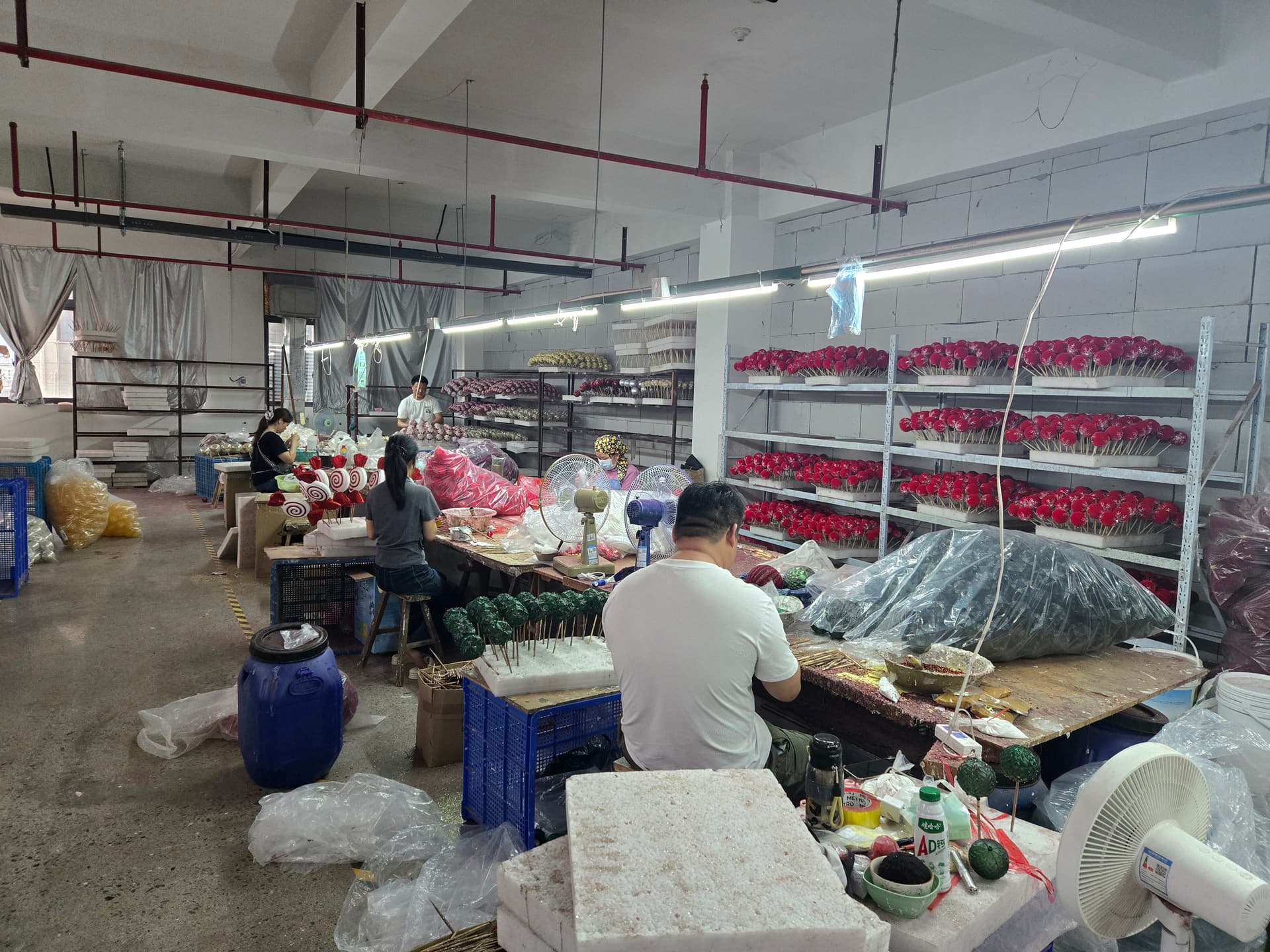
Shatterproof lines prioritize consistent hang weight for large fixture walls, predictable cube for PDQ pallets, and coating adhesion under high-traffic turnover. Specialty glass still anchors premium doors; resin carries scale.
2026 decoration trends continue to expand shatterproof volume in club and mass channels while glass remains hero for specialty gift—mixed walls need one palette document.
ABS and PP resin platforms
ABS resin offers rigidity and clean metallization surfaces for brushed films and high-lustre coats. PP platforms can optimize weight and cost for very high MOQ club programs with matte and pearl exteriors. Christmas ornament factory
For factory experience, OEM capability, showroom access, and export programs beyond this topic, see our Christmas ornament manufacturer · OEM Christmas ornament development
Material choice interacts with cap design, hang geometry, and coating system compatibility. Share destination market and channel so the factory recommends a platform that matches compliance attachments and DC specs.
A Christmas ornament manufacturer focused on balls documents platform limits—size ladders, wall thickness bands, and standard mold libraries—so OEM requests map to feasible tooling.
Size ladders on resin molds
Standard resin molds cluster between fifty and one hundred millimeters with focus sizes for club sets. Custom sizes require OEM tooling lead times similar to glass when hang geometry or wall thickness deviates from approved libraries.
Finish systems on shatterproof ornaments
Finish adhesion on resin requires different QC gates than glass clarity inspection. Request coating scratch and UV exposure tests when hospitality or outdoor-adjacent installs apply. luxury Christmas decorations

- UV-stable exterior lacquer and matte coats for mass retail turnover
- Glitter infusion and micro-glitter veils for seasonal color pops
- Brushed metallic films in copper, champagne, and pewter families
- Pearl exteriors paired with satin caps for coordinated sets
- Printed patterns and flock when vendor manuals allow surface textures
Shatterproof resin vs glass on the fixture
Glass delivers superior reflectivity and premium hang presence for specialty sizes. Resin delivers impact tolerance, lighter fixture weight at scale, and club MOQ economics. Most sophisticated programs combine both under one color story. glass Christmas balls wholesale
Photography teams should shoot resin and glass separately—surface behavior differs under studio light. Planogram teams should account for weight variation so fixture hardware ratings are not exceeded on glass-heavy walls.
Read our glass vs plastic comparison for side-by-side MOQ, packaging, and channel guidance before you finalize assortment architecture.
MOQ and club program economics
Shatterproof programs often scale at higher per-color MOQ than specialty glass but deliver lower unit economics in mass channels. FCL mixed containers improve freight per piece when set counts and colorways are planned holistically. request a factory quote
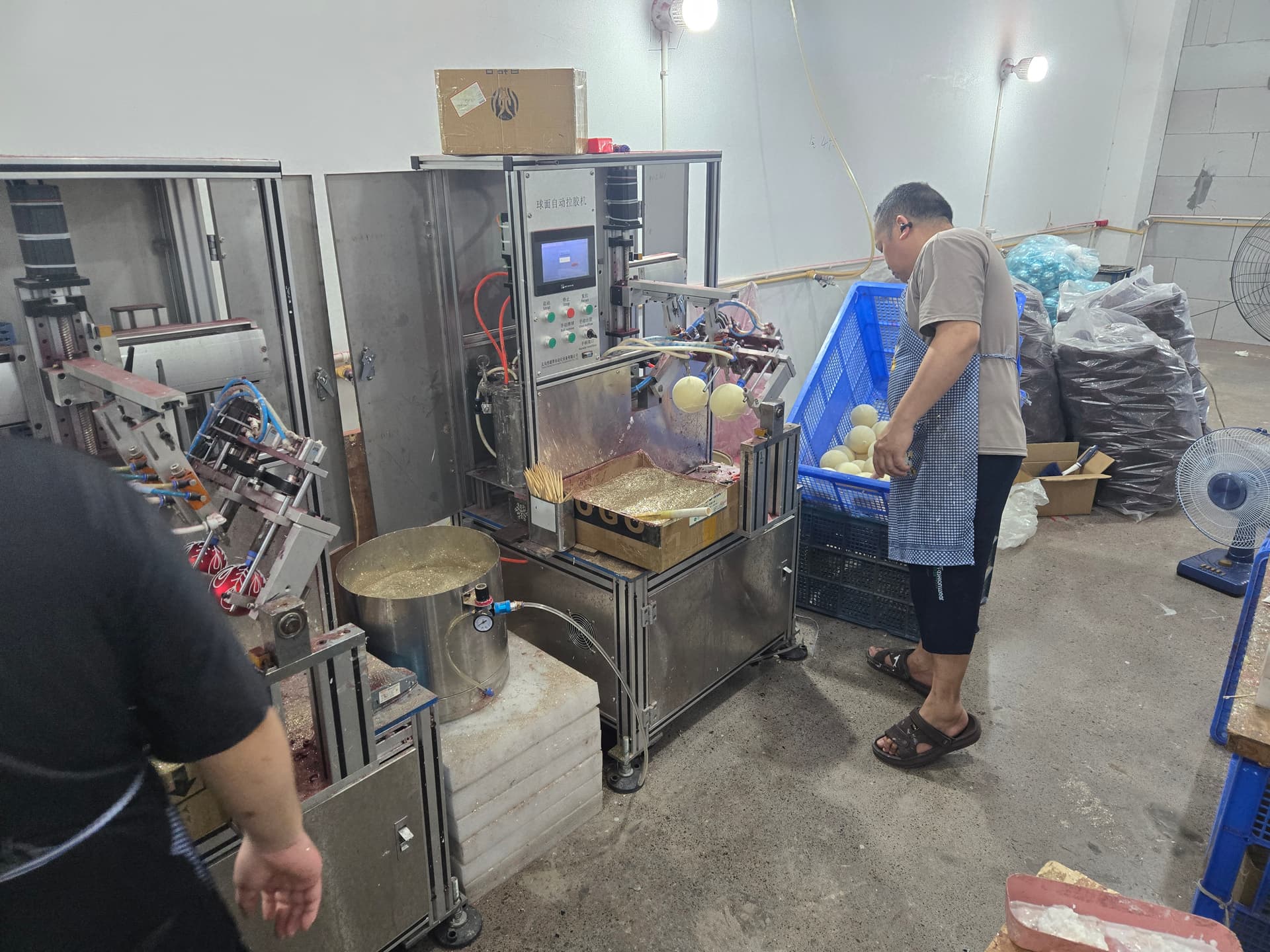
PDQ and pallet layouts should be confirmed at sampling—cube surprises inflate freight and reset labor. Share club-specific shipper dimensions in the first RFQ.
Consult our wholesale MOQ guide for band tables across materials and finish families when you build allocation models.
Impact, UV, and adhesion testing
Attach drop-test requirements during RFQ—not after bulk coating. Pilot lots can be witnessed by third-party QA against your DC baseline or ISTA reference.
UV coat stability matters for stores with skylights, hospitality atriums, and extended sell-through windows. Adhesion tests protect against coating flake claims on high-touch fixtures.
Batch travelers should record resin lot, coating lot, and cap batch so traceability survives vendor portal audits.
Packaging strategies for volume resin walls
Shatterproof lines still need engineered inners—impact resistance does not eliminate partition design. PDQ shippers, bulk partition cartons, and club pallet patterns should be validated at pilot. wholesale product catalog
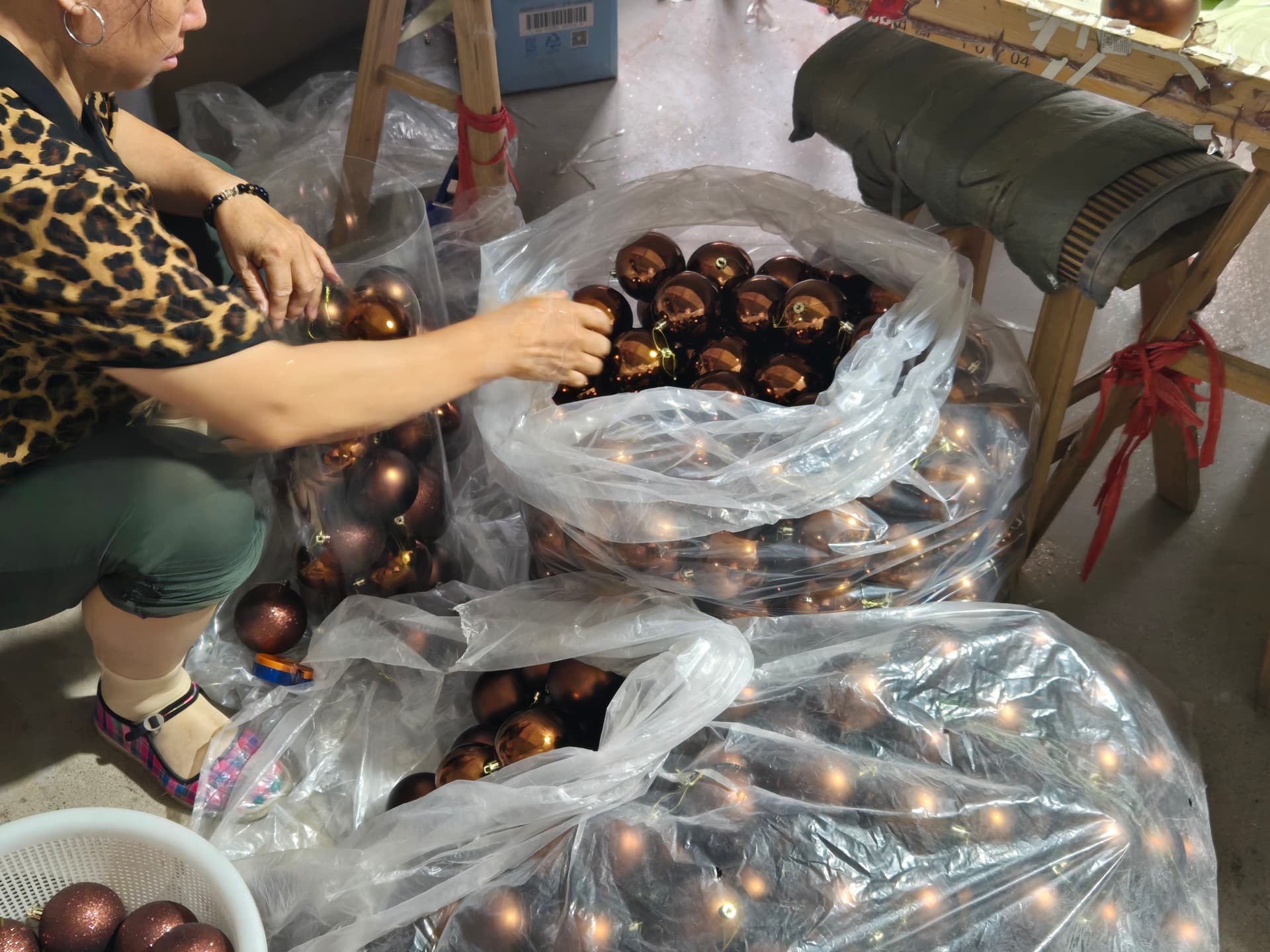
Factory-direct supplier vetting and wholesale sourcing checklists appear on our Christmas ornament supplier · wholesale Christmas ornaments manufacturers
Retail packaging decisions affect freight cube even on resin: oversized PDQ graphics panels add dead space. Coordinate with packaging engineering early.
Mixed containers with glass heroes and resin volume SKUs require segregated inner-pack specs—do not downgrade glass partitions because resin sets share the vessel.
Channel-specific shatterproof strategies
Club and wholesale club resets favor large resin counts in PDQ shippers with predictable labor for seasonal part-time staff. Hospitality programs may prioritize adhesion and UV stability over PDQ graphics complexity.
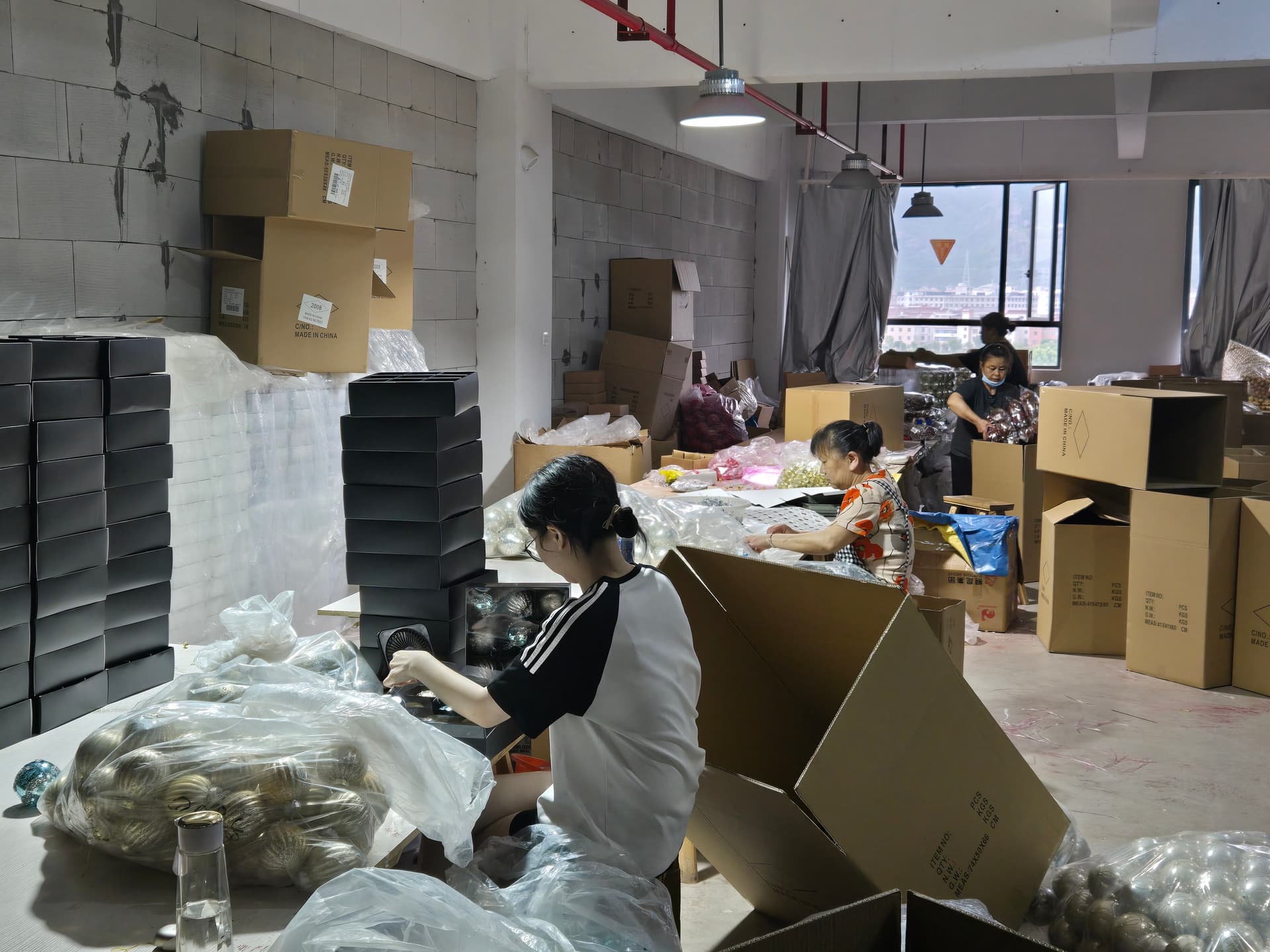
Value retail may accept simpler partition inners with shrink-wrapped sets when price points demand it—still run drop tests because even value doors penalize damage allowances.
E-commerce-heavy assortments should confirm cavity locks survive parcel sortation—a different stress profile than pallet-to-DC alone.
Hospitality and high-traffic installs
Hotels, resorts, and corporate campuses specify shatterproof ornaments for liability and maintenance reasons. Coatings must tolerate frequent handling and occasional outdoor-adjacent exposure near entries and atriums. plastic Christmas ornaments
Request adhesion scratch tests and documented UV coat stability when installs extend beyond traditional Q4 sell-through. Cap torque matters when ornaments are stored and re-hung annually.
Building a mixed-material assortment
Mixed walls are standard in 2026 programs—execution quality depends on palette discipline and material-specific QC, not on treating resin as an unexamined commodity line. glass Christmas balls wholesale
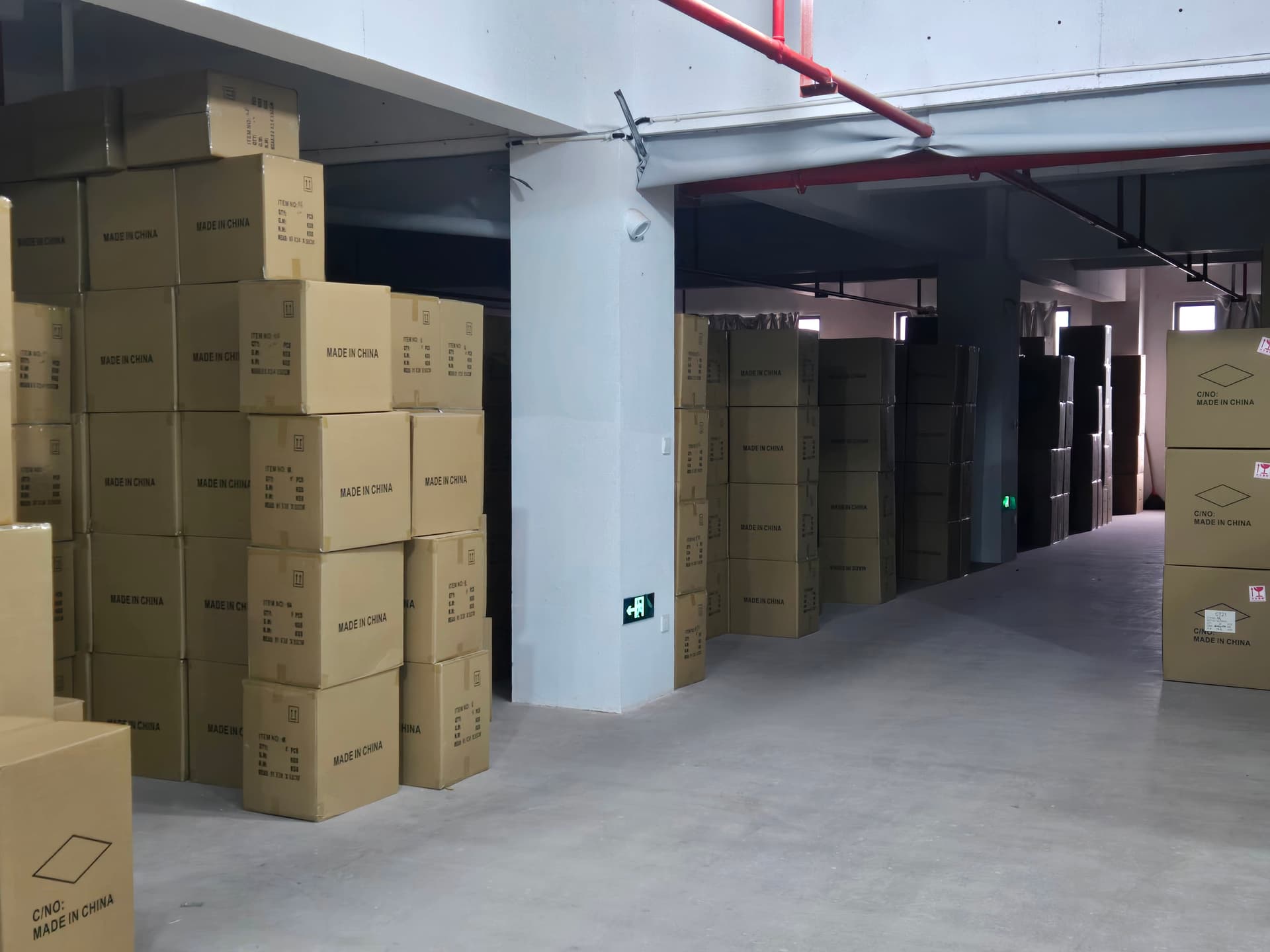
Import desks should flag customs description accuracy when glass and resin share containers—commercial invoice granularity prevents clearance delays when SKU-level values differ widely within one shipment.
- Anchor the wall with two glass hero finishes at statement sizes
- Map resin volume SKUs to club and mass price points under one palette
- Document hang weight limits for fixture hardware across the full wall
- Separate inner-pack specs on mixed containers—even when FOB is combined
- Photograph resin and glass separately for e-commerce accuracy
Lead times and sampling windows for resin
Resin pilot sampling often runs twelve to sixteen days on approved molds; new finishes add setup time similar to glass when metallics or glitter systems change. Bulk coating windows follow pilot sign-off with batch travelers tied to resin and coating lots. Christmas ornament factory · request a factory quote
Club programs with many colorways should sequence pilot approvals to protect vessel dates—approving ten finishes simultaneously overwhelms buyer QA teams and delays bulk release uniformly.
When resin SKUs carry printed patterns or flock, add craft station capacity checks to timeline reviews—decorative steps queue separately from base coating lines.
Why shatterproof reduces but does not eliminate returns
Impact resistance addresses breakage claims but not coating scuff, cap loosening, or color perception issues under store lighting. Buyer QA should track return reason codes separately for resin and glass to refine finish and packaging specs season over season.
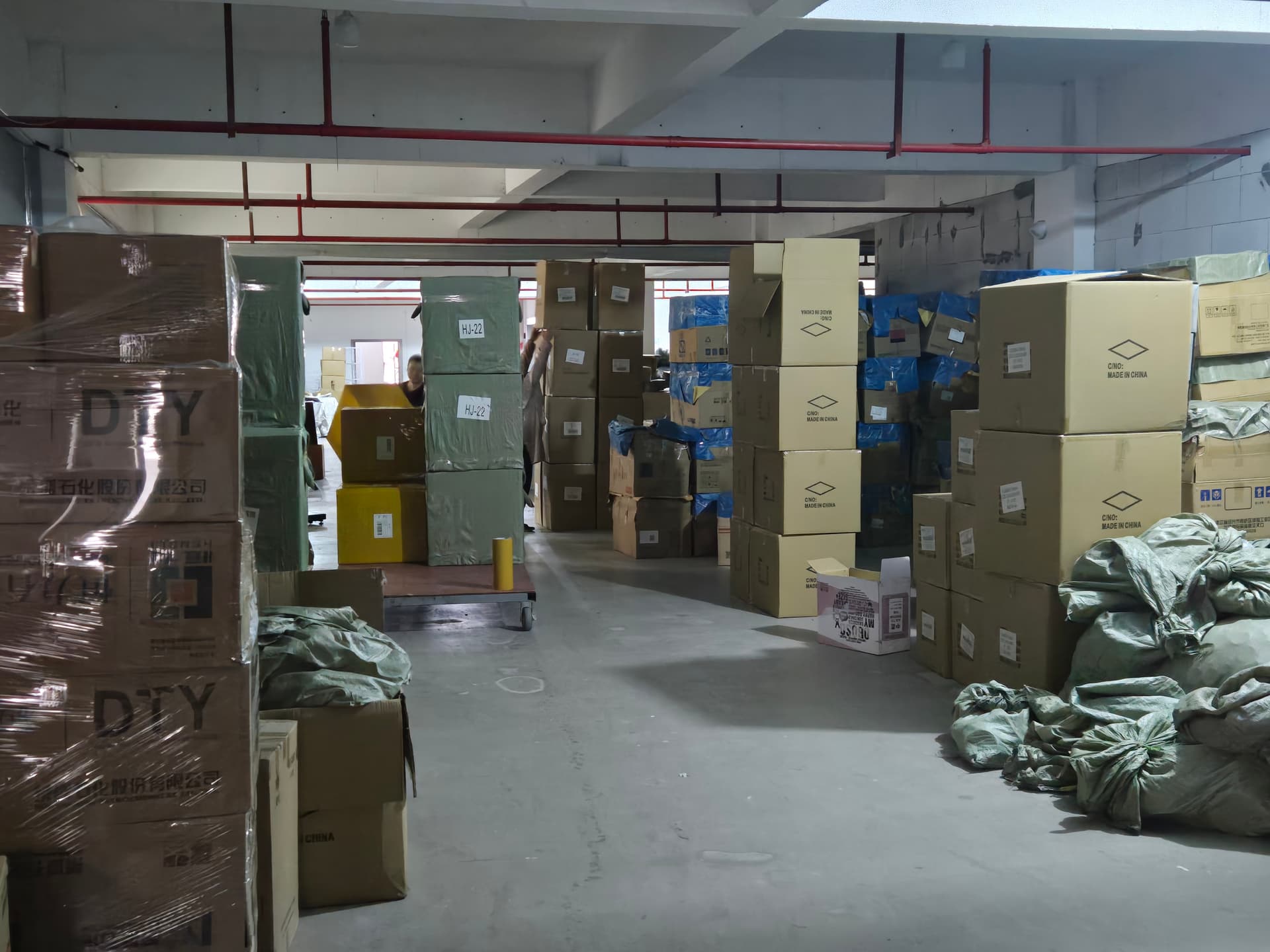
Wholesale MOQ bands, production capacity, channel economics, and FCL planning for seasonal programs are on our wholesale Christmas ornaments · wholesale Christmas ornaments manufacturers
Training store staff on correct hang-hook installation reduces perceived quality issues on resin lines where caps are lighter than glass counterparts.
Resin MOQ economics improve when colorways share cap and coating families—even small cap changes can force separate bulk windows that compress vessel flexibility.
When buyers expand resin walls mid-season, confirm factory coating bay capacity—adding colorways without capacity review is a common cause of finish drift under rush bulk.
Compare resin finish samples beside glass heroes under store LED panels before bulk—not only under factory inspection lights—to catch perceived color mismatch early.
Next steps with Shuanglin Crafts
Ready to scope a program? Request a factory quote with your assortment ladder and vessel dates, get our product catalog for finish families and MOQ bands, or send OEM requirements if you need custom caps, packaging, or private-label tooling. Request a factory quote · Get product catalog · Send OEM requirements
You can also review our production setup on the factory page or message the export team through contact when you need lead times confirmed before allocation. Factory tour · Contact export desk
Frequently asked questions
Are plastic Christmas ornaments truly shatterproof?
Engineered ABS and PP resin platforms resist impact typical of retail handling and hospitality installs. They are not indestructible—specify drop tests aligned to your DC requirements.
What MOQ should I expect for shatterproof colorways?
Club and mass programs often scale at eight thousand to ten thousand pieces per color with FCL efficiency. Pilot MOQ may be lower on approved molds.
Can shatterproof ornaments match glass color stories?
Yes—OEM palette documents unify finishes across materials for mixed fixture walls. Reflectivity differs; photography should account for resin surface behavior.
Do shatterproof lines support glitter and metallic finishes?
UV-stable exterior coats, glitter infusion, and brushed metallic films are standard on resin platforms. Confirm adhesion tests for high-traffic hospitality specs.
When should buyers choose glass instead of resin?
Specify glass for premium reflectivity, luxury gift sets, and statement sizes where weight and lustre anchor positioning. Use resin for volume walls, club PDQ, and impact-sensitive installs.