Retail packaging for Christmas ornaments determines distribution-center outcomes as much as coating quality. Inner packs that fit poorly, partitions that slip, or master cartons that crush at pallet strapping translate into silent damage, photography delays, and vendor score penalties—especially on private-label programs. wholesale product catalog · Christmas ornament factory · OEM case studies · OEM development process · EU compliant Christmas ornaments ultimate guide · Amazon wholesale Christmas ornaments ultimate guide
Shuanglin Crafts supports wholesale buyers with finished ornament platforms, OEM development, factory tours, and direct export desk contact—use the links below when you are ready to move from research to sampling. product catalog · OEM program overview · factory tour · contact the export desk
Wholesale buyers must engineer packaging tiers early: foam-fit gift boxes for specialty doors, PDQ-ready shippers for club resets, or bulk export inners for distributor repack. Each path changes cube, MOQ tooling, and lead time.
This guide walks B2B teams through inner formats, drop testing, barcode symbology, and export staging for US and EU programs. Review our product catalog, OEM case studies, and factory capability when you attach packaging dielines to an RFQ.
Why packaging engineering belongs in RFQ
Ornament curves demand partition geometry that flat-product packaging templates cannot copy. Import desks that defer packaging decisions until after finish approval often discover dielines conflict with cap height, hang hooks, or set-count architecture. OEM development process · OEM Christmas ornaments
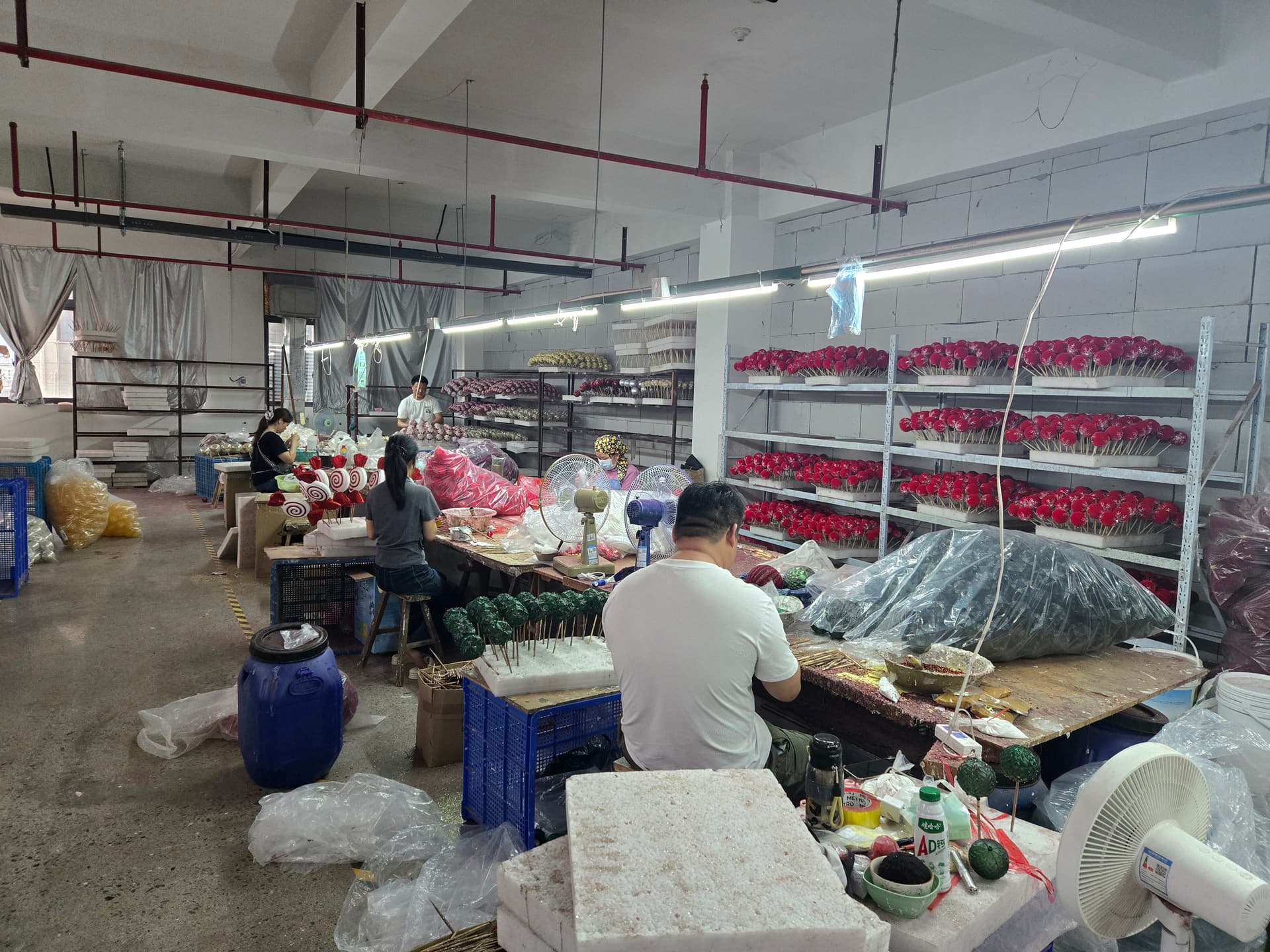
Packaging tier also drives freight economics: oversized gift boxes inflate container cube while under-protected bulk inners increase damage allowances. Model landed cost with packaging cube before you lock FCL plans.
OEM Christmas ornament development should include retail box dielines—or explicit bulk-export-only confirmation—in the first program brief.
Inner pack formats for ball ornaments
Each format interacts with finish type: high-lustre metallics need non-abrasive cavity contact; hand-painted accents require extra clearance at touch points. Share finish family with packaging engineering at pilot.
For factory experience, OEM capability, showroom access, and export programs beyond this topic, see our Christmas ornament manufacturer · OEM Christmas ornament development
- Egg-crate corrugated partitions for multi-count glass sets
- Molded pulp trays with cavity locks for medium gift boxes
- Foam-fit inserts for luxury single-SKU or two-count presentation
- Window boxes with PET or acetate films for shelf appeal
- Shrink-wrapped sets with chipboard backers for value doors
Gift box and premium presentation
Luxury Christmas decoration programs typically specify rigid gift boxes with foam-fit inners, magnetic closures or ribbon tabs, and cap-safe cavity depth. Photography and e-commerce teams need window placement that avoids glare hotspots on reflective finishes. luxury Christmas decorations

Multilingual copy, recyclability callouts, and FSC carton claims for EU doors should be proofed at sampling—not corrected at bulk print. Barcode symbology placement must match your retailer's vendor manual.
Gift-box tooling adds lead time and per-SKU cost but protects premium price points through DC handling and ship-from-store workflows when drop tests validate the shipper.
Set-count architecture and cavity layout
Six-, eight-, twelve-, and twenty-four-count sets each require unique cavity layouts. Mixing sizes within one box—common for statement hero plus supporting baubles—needs hang-hook orientation documented so ornaments do not contact during transit.
PDQ, club, and mass retail layouts
Club and mass channels favor PDQ-ready shippers with predictable cube for pallet patterns and seasonal reset labor. Shatterproof resin lines often dominate these walls because impact resistance supports tighter fixture turnover. plastic Christmas ornaments
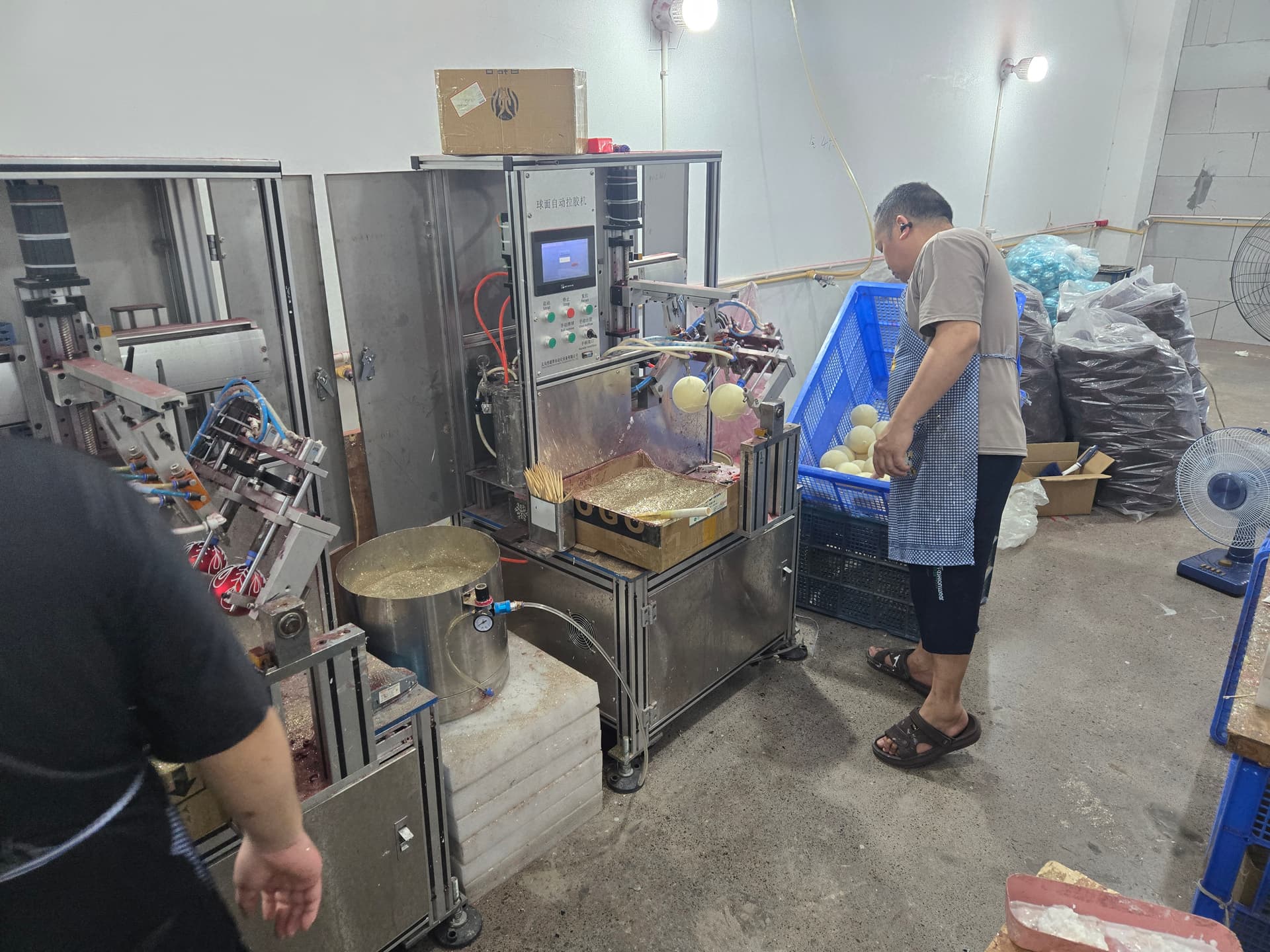
PDQ graphics, perforation lines, and shelf-edge dimensions should be approved with merchandising before bulk corrugated print. Late PDQ changes are a frequent cause of missed vessel dates.
Coordinate PDQ cube with forwarder booking—oversized PDQ shippers reduce effective container utilization and inflate per-unit freight.
Bulk export and distributor repack
Distributor programs may skip retail dielines and use export-optimized inners—partition cartons, master bags, or simple chipboard trays—when repack happens domestically. Even bulk paths need drop validation because ocean transit and DC handling still apply stress. glass Christmas balls wholesale
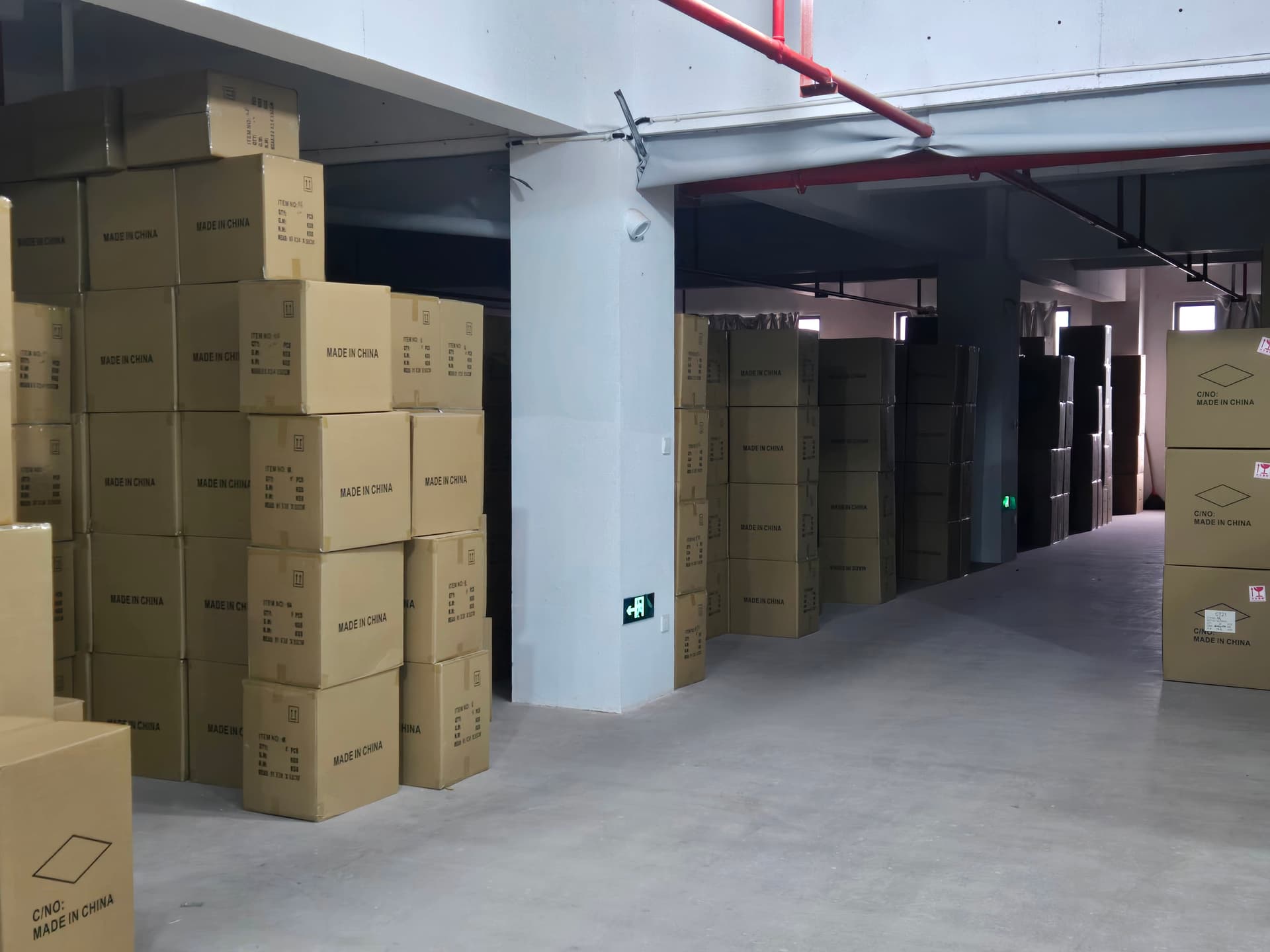
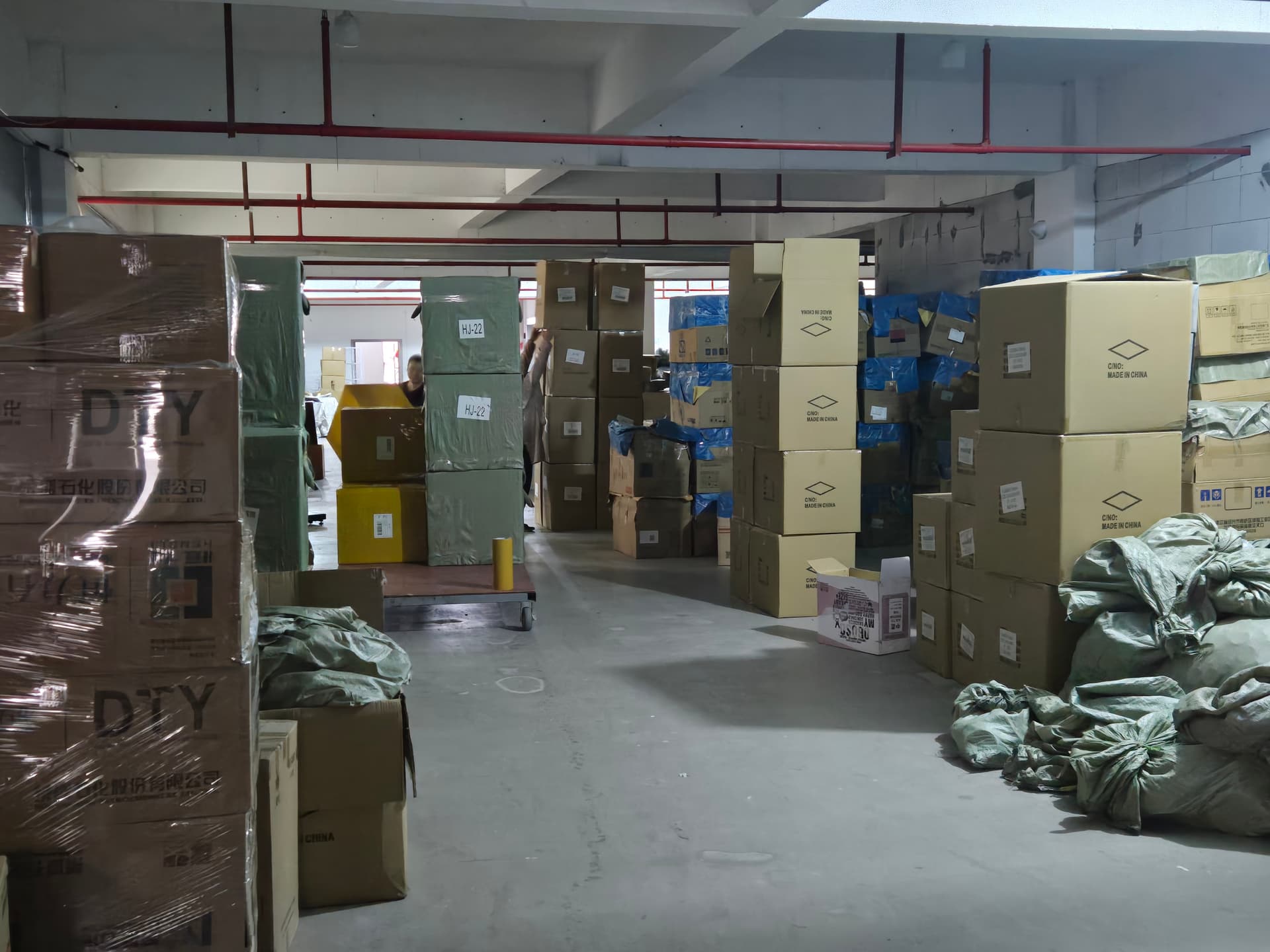
Master carton dimensions should align to your forwarder's pallet pattern and weight limits. Corner protection and strapping photos belong in pre-vessel QC packets.
Glass bulk export requires stricter partition density than resin; do not assume shatterproof inner specs transfer to glass hero SKUs on mixed containers.
Drop testing and partition integrity
Share your DC drop spec—or ISTA baseline—during RFQ so the factory engineers inners to threshold. Third-party QA can witness pilot drop tests before bulk corrugated orders.
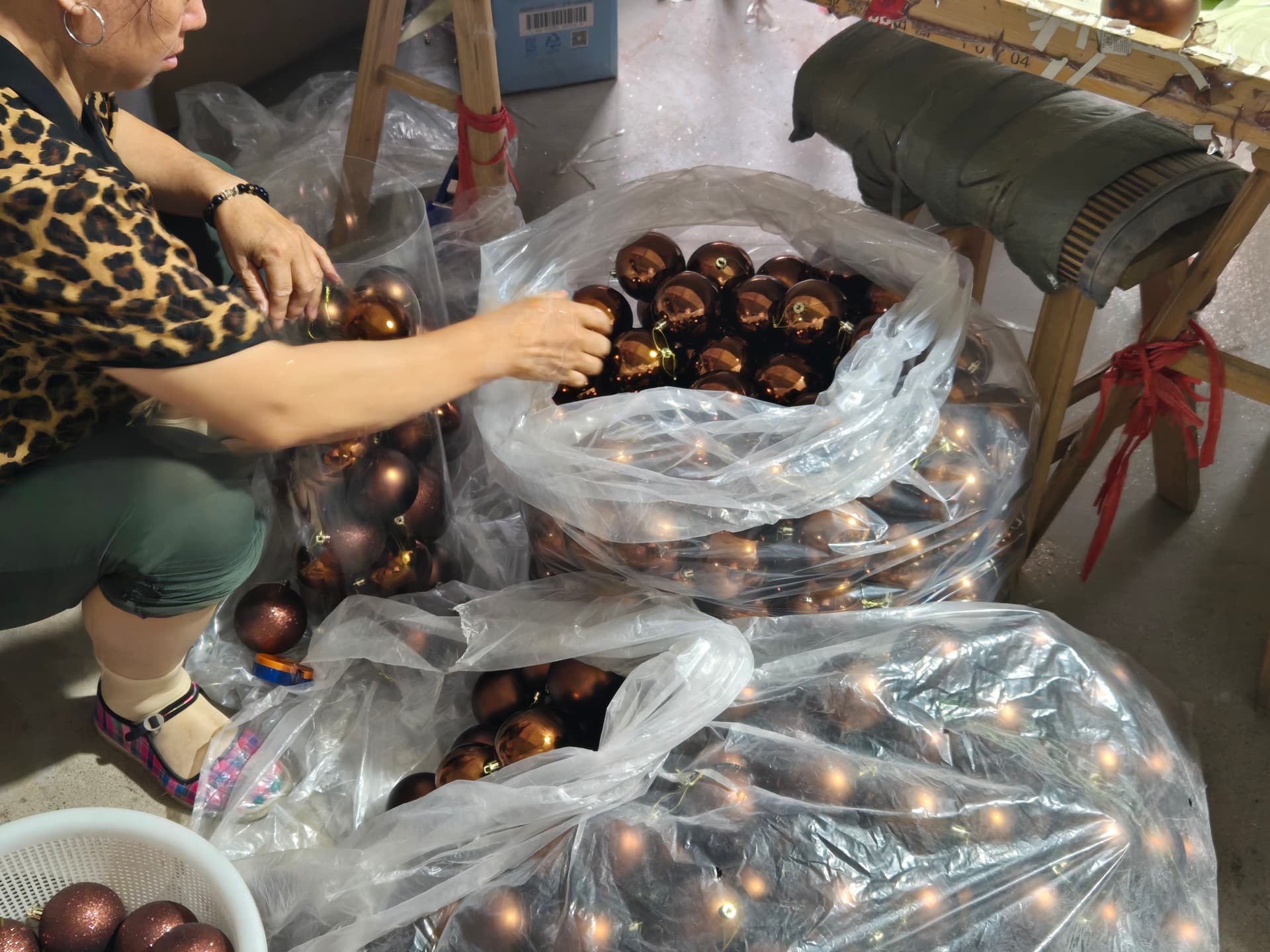
Factory-direct supplier vetting and wholesale sourcing checklists appear on our Christmas ornament supplier · wholesale Christmas ornaments manufacturers
Partition integrity checks include cavity lock, cap clearance, and hang-hook retention. A common failure mode is ornaments that lift during drop and strike neighboring cavities.
Document drop test results in vendor portal uploads for private-label accounts. Repeat seasons should reference prior approved inner-pack IDs unless set architecture changes.
Carton marks, compliance, and export staging
Export staging ties packaging release to nominated ocean bookings. Submit packaging tier with your factory quote so lead times reflect dieline approval—not just coating windows. request a factory quote
- Finalize GS1 symbology and ship-to marks before master carton print
- Align commercial invoice descriptions with retail packaging copy
- Attach material and recyclability declarations for EU programs when required
- Stage pallet photos and weight distribution notes pre-vessel
- Confirm moisture protection and desiccant policy with forwarder for long lanes
Sustainability cues buyers request in 2026
Retailers increasingly ask for reduced plastic in inners, FSC-certified cartons when specified, and smaller master cartons that improve freight efficiency without sacrificing drop performance. These requests are achievable when packaging engineering starts at RFQ—not as late retrofits.
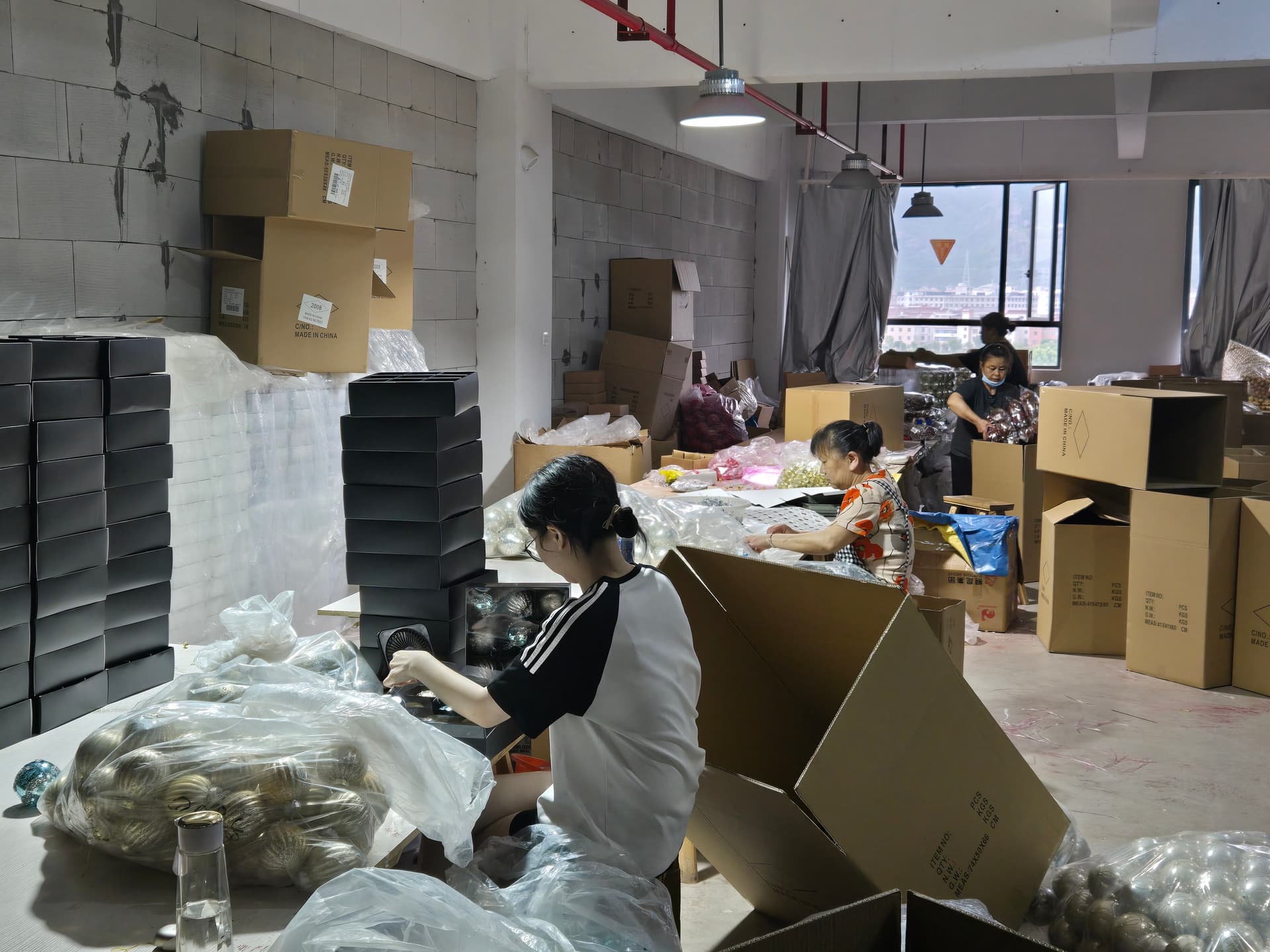
Window box films, foam-fit inserts, and molded pulp trays each carry different recyclability narratives by market. Confirm claims with material data sheets before printing consumer-facing copy.
Smaller master cartons may require tighter cavity design and higher partition density—validate drops after cube optimization, not before.
Omnichannel shipper considerations
Ship-from-store and e-commerce fulfillment stress ornament packaging differently than pallet-to-DC flows. Dual-use shippers need corner reinforcement and cavity locks validated under the combined drop profile your QA team accepts.
Gift boxes that photograph well for e-commerce often use larger windows and thinner board—balance aesthetics with drop thresholds before merchandising locks dielines.
Cross-functional packaging approval
Merchandising, import, compliance, and e-commerce should share one approved dieline PDF with version control. Parallel approvals through email threads cause bulk print errors when teams reference different revisions. Christmas ornament factory
Schedule packaging proof cycles with the same urgency as finish pilot approval—both gates block bulk release. Name approval owners and turnaround SLAs on the buyer side to prevent vessel slips.
Include forwarder carton dimension limits in packaging reviews—beautiful oversized gift boxes that exceed container utilization targets inflate freight per piece across the entire program.
Packaging cost vs damage cost modeling
Model damage allowance dollars against incremental partition cost before you downgrade inners to hit a target FOB. Ornament programs often show that one avoided DC claim event pays for denser egg-crate partitions across a full colorway. request a factory quote
Gift-box tooling amortizes across repeat seasons—capture tooling IDs in vendor portals so year-two POs reference approved cavities without re-quoting engineering from scratch.
When buyers pressure packaging cost mid-program, require revised drop-test evidence before approving partition reductions—silent downgrades cause claims that erase FOB savings in the first container.
Packaging decisions that affect import clearance
Retail packaging copy on outer cartons must align with commercial invoice descriptions for customs clearance—especially when gift sets combine multiple materials or include battery-free light accents in premium lines. B2B sourcing blog
Wholesale MOQ bands, production capacity, channel economics, and FCL planning for seasonal programs are on our wholesale Christmas ornaments · wholesale Christmas ornaments manufacturers
Country-of-origin marking on consumer packaging may differ from carton marks used at export—confirm both with compliance during dieline approval to avoid relabeling at DC.
Inner-pack color and print should be tested for rub-off against high-lustre metallics—cheap tissue or uncoated pulp can scuff premium finishes in transit.
HS code discussions for ornament sets should happen before gift-box contents are finalized—mixed-material sets may classify differently than homogeneous bulk cartons of glass balls.
Retailers with vendor scorecards should tie packaging KPIs—damage rate, scan compliance, cube utilization—to factory reviews at season close so engineering improves year over year.
Window box films and anti-static treatments should be validated against dust attraction in DC environments—hazy windows on arrival undermine premium presentation before product reaches the shelf.
Label placement on master cartons should be photographed at pilot for scan-gun validation at your DC.
Next steps with Shuanglin Crafts
Ready to scope a program? Request a factory quote with your assortment ladder and vessel dates, get our product catalog for finish families and MOQ bands, or send OEM requirements if you need custom caps, packaging, or private-label tooling. Request a factory quote · Get product catalog · Send OEM requirements
You can also review our production setup on the factory page or message the export team through contact when you need lead times confirmed before allocation. Factory tour · Contact export desk
Frequently asked questions
What inner pack types work best for glass Christmas balls?
Egg-crate partitions, molded pulp trays, and foam-fit gift boxes are common. Partition density should be confirmed at pilot with your DC drop spec or third-party QA.
Can packaging be engineered for both e-commerce and store shelf?
Yes—dual-use gift boxes with rigid windows and reinforced corners support ship-from-store when drop tests validate the combined handling profile.
When should barcode symbology be finalized?
Before bulk inner-pack print runs. Late barcode changes delay retail packaging and can miss vessel windows for seasonal programs.
How do shatterproof lines differ in packaging?
Resin programs may use tighter PDQ cubes and lighter partitions but still require drop validation—impact resistance does not eliminate inner-pack engineering.
Does the factory provide pallet photos before vessel?
Qualified export programs stage pallet photos, weight distribution notes, and carton mark checks aligned to commercial invoice before FOB release.