
A wholesale Christmas ornament supplier checklist protects import desks from seasonal surprises: finish drift, non-compliant packaging, carton marks that fail DC scan, and MOQ bands that do not match assortment architecture. Catalog photography is marketing—not evidence. how to choose a Christmas ornament manufacturer · import Christmas ornaments from China · Christmas ornament manufacturer · wholesale Christmas ornaments · wholesale Christmas ornaments manufacturers · B2B sourcing blog · request a factory quote · Christmas ornament factory audit ultimate guide · EU compliant Christmas ornaments ultimate guide · Christmas ornament importer USA supplier comparison · Target Christmas ornament OEM supplier comparison
Shuanglin Crafts supports wholesale buyers with finished ornament platforms, OEM development, factory tours, and direct export desk contact—use the links below when you are ready to move from research to sampling. product catalog · OEM program overview · factory tour · contact the export desk
Ball-native factories document gates that general décor traders skip: coating lot trace, cap torque records, inner-pack drop fit, and pallet staging aligned to FOB release. Buyers who run structured qualification reduce markdown risk and speed vendor portal onboarding.
Use this checklist before you lock Q4 allocation. Pair it with our import guide, MOQ bands article, and manufacturing overview—or submit a brief to the export desk for program-specific scoring.
Why structured qualification beats price alone
Lowest FOB quotes often hide partition downgrades, unsigned finish masters, or traders without line control. Seasonal ornaments have narrow correction windows once photography, planograms, and compliance packets are approved.
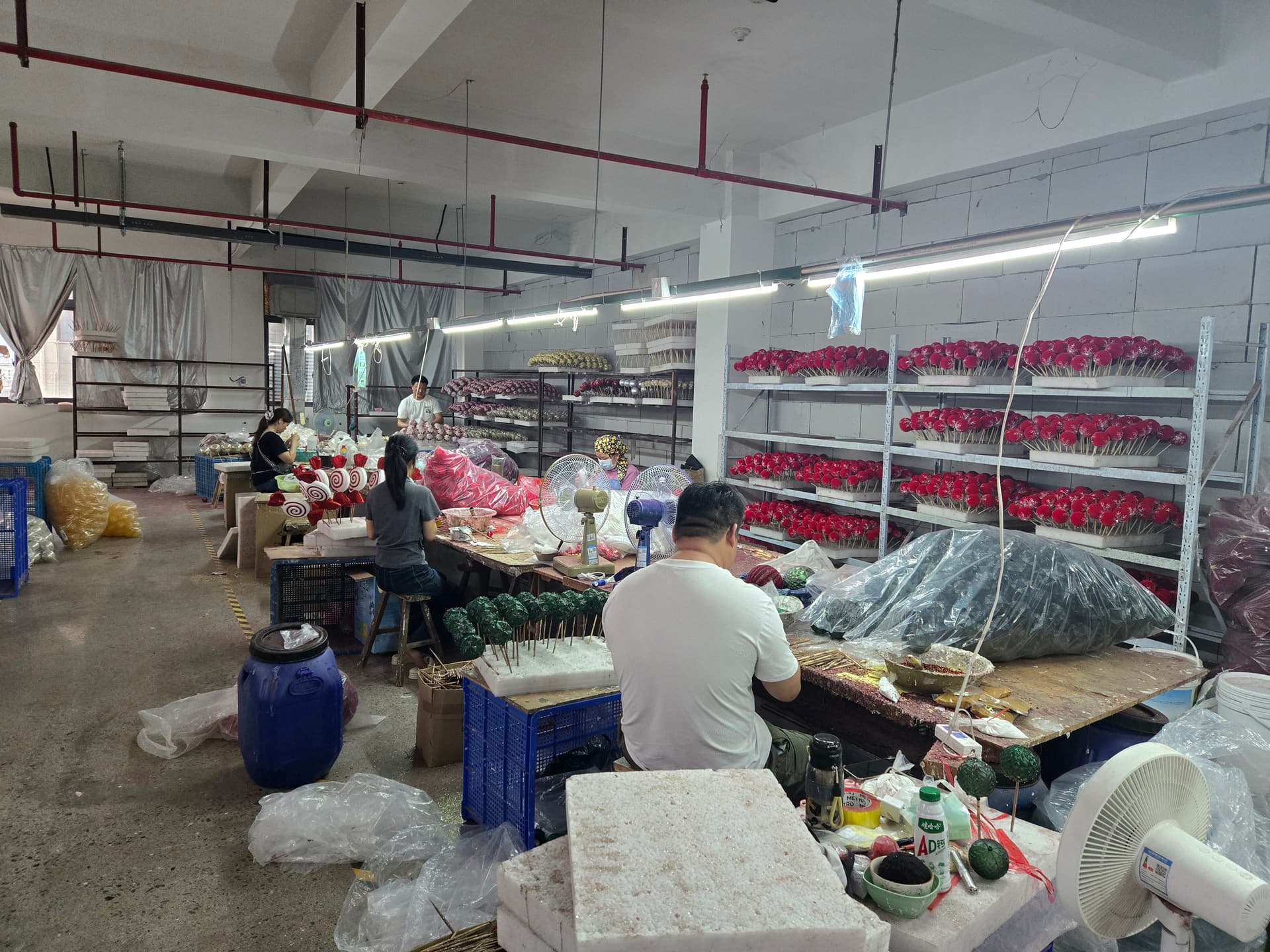
Structured qualification scores suppliers on evidence quality, timeline realism, and alignment with your channel—specialty gift, club PDQ, hospitality, distributor bulk. Price enters the model after capability gates pass.
Repeat-season efficiency depends on approved platforms: factories that document masters and inner-pack IDs let you shortcut tooling on year two.
Factory capability checks
Request references from US or EU importers when possible. Shuanglin Crafts publishes Christmas ornament manufacturer capability, wholesale Christmas ornaments category depth, and product catalog details for pre-RFQ review. Christmas ornament manufacturer · wholesale Christmas ornaments · wholesale Christmas ornaments manufacturers · Christmas ornament factory · wholesale product catalog · custom Christmas ornaments
Glass ornament finish families, clarity QC, and export specifications are documented on our glass Christmas ornaments
- Confirm ball-native production—not ornaments as a side category
- Review glass and/or resin coating bays with line photos or virtual tour
- Verify hand-finishing and craft capacity for premium SKUs if needed
- Confirm export staging, pallet patterns, and FOB experience for your market
- Validate social audit and vendor manual tracks before MOQ commit
Trader vs factory-direct
Trading layers add margin without adding QC unless they transparently disclose factory partners and share batch travelers. Factory-direct relationships shorten feedback loops when pilot adjustments are needed ten days before bulk coating.
Product and finish verification
Insist on pilot lots from the same pigment sources and molds as bulk—not stock samples from unrelated runs. Compare strikes under controlled lighting with signed finish boards. OEM development process · OEM Christmas ornaments

Document size ladder, set counts, cap metallization, and hang geometry. Mixed glass and shatterproof walls need one palette document to prevent fixture inconsistency.
For OEM programs, confirm tooling lead times and cap branding feasibility before merchandising commits in-store dates.
MOQ, pricing, and commercial terms
Map MOQ to FCL plans early. Under-filled containers inflate landed cost even when unit FOB looks attractive.
- MOQ bands per colorway and material platform documented in writing
- Tooling ownership and amortization terms for OEM molds and packaging
- Payment milestones tied to pilot approval and pre-shipment inspection
- Incoterms stated clearly—FOB port baseline with forwarder coordination
- Damage allowance and claim windows aligned to your DC operations
QC documentation and compliance attachments
Require batch travelers, coating lot IDs, AQL records, and inner-pack photos packaged for vendor portal upload. Private-label accounts often need structured evidence before payment release.
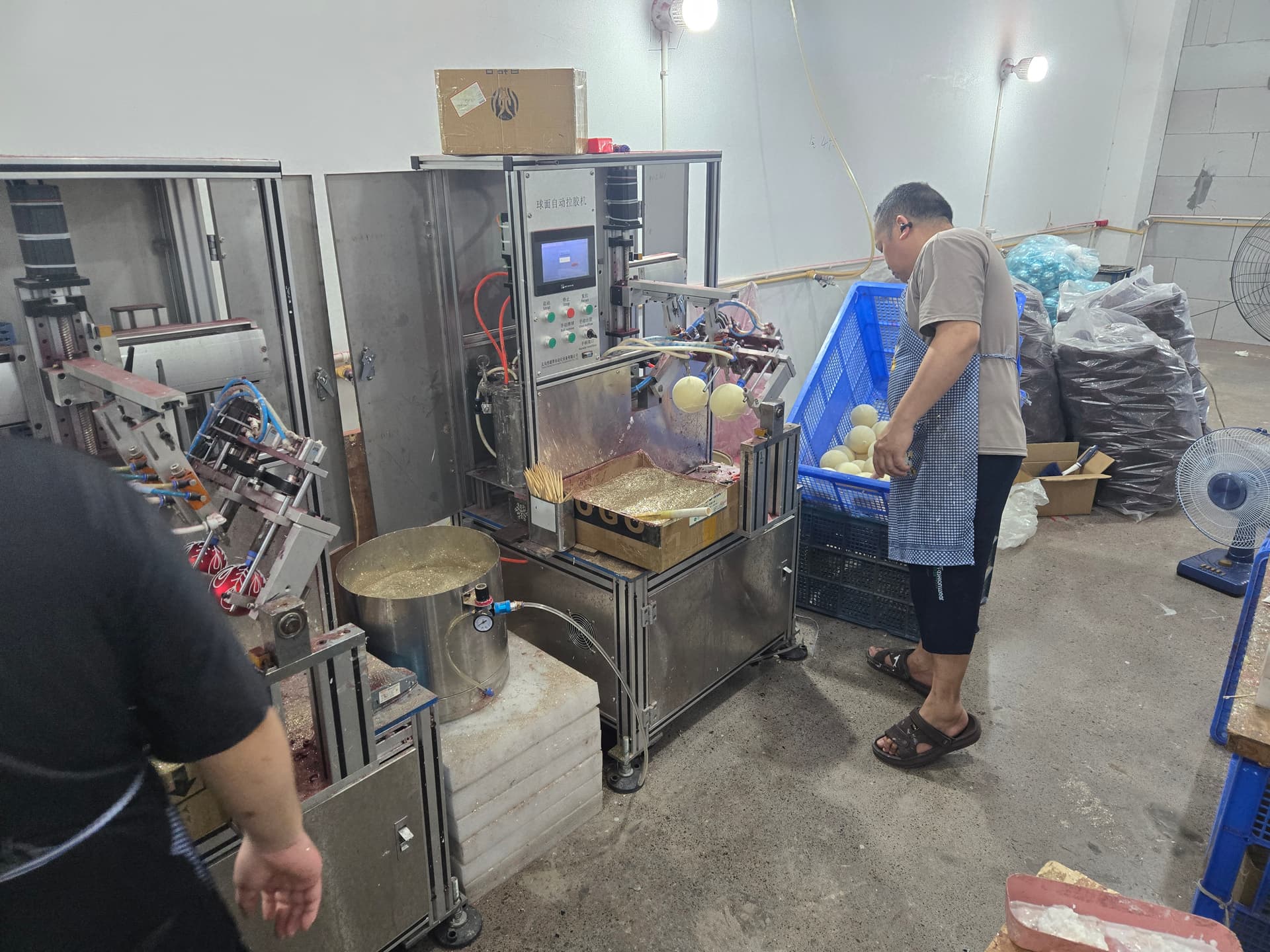
Attach EU packaging, material declarations, and recyclability requirements during RFQ. Late compliance discovery delays print runs and vessels.
Drop-test results should reference your DC spec or agreed ISTA baseline—not generic factory internal tests with no witness.
Packaging, marks, and logistics readiness
Confirm retail packaging tier—gift box, PDQ, bulk export—and dieline approval windows. Barcode symbology and multilingual copy must be proofed before bulk print. request a factory quote
Master carton marks must match commercial invoice and forwarder requirements. Pre-vessel pallet photos and weight distribution notes prevent booking surprises.
Coordinate moisture policy and desiccant use with forwarder for long ocean lanes affecting sensitive metallics.
Timeline gates and repeat seasons
Suppliers who cannot show realistic gates on a calendar are unlikely to hit vessel silently. Submit your checklist responses with a factory quote request so the export desk maps your program to documented capacity. request a factory quote · B2B sourcing blog
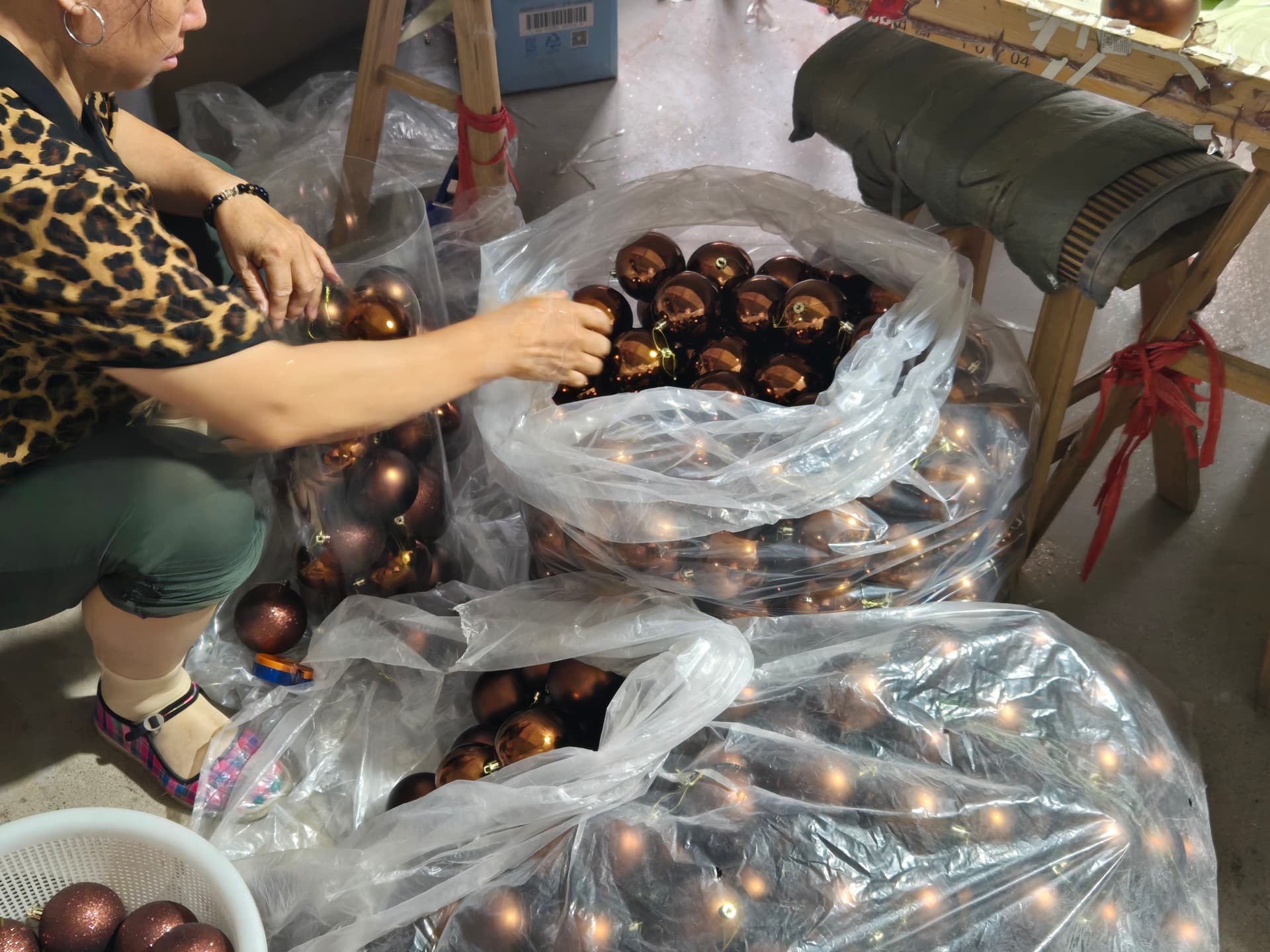
- Reverse-engineer from in-store date through DC, ocean, export, bulk, pilot, sampling
- Lock sampling in Q1–Q2 for North American Q4 peaks
- Name approval owners on buyer side for finish, packaging, and compliance
- Archive signed masters and inner-pack IDs for repeat-season shortcut
- Schedule pre-shipment inspection when vendor manual requires witness
Supplier scorecard template
Rate each candidate factory on evidence quality, timeline realism, MOQ fit, packaging engineering support, and export market experience. Weight evidence over price in first-pass scoring—unit FOB enters after capability gates pass.
Use a simple one-to-five scale per category with notes: Can they show coating lot trace? Do they run ball-native lines? Have they shipped to your destination market in the last two seasons? Can they structure OEM development without tooling surprises?
Archive scorecards so year-two sourcing revisits objective criteria instead of relationship momentum alone.
Vendor portal and onboarding readiness
Private-label accounts often require vendor portal uploads before first PO release: W-9 or equivalent, insurance certificates, social audit tracks, material declarations, and sample batch travelers from pilot lots.
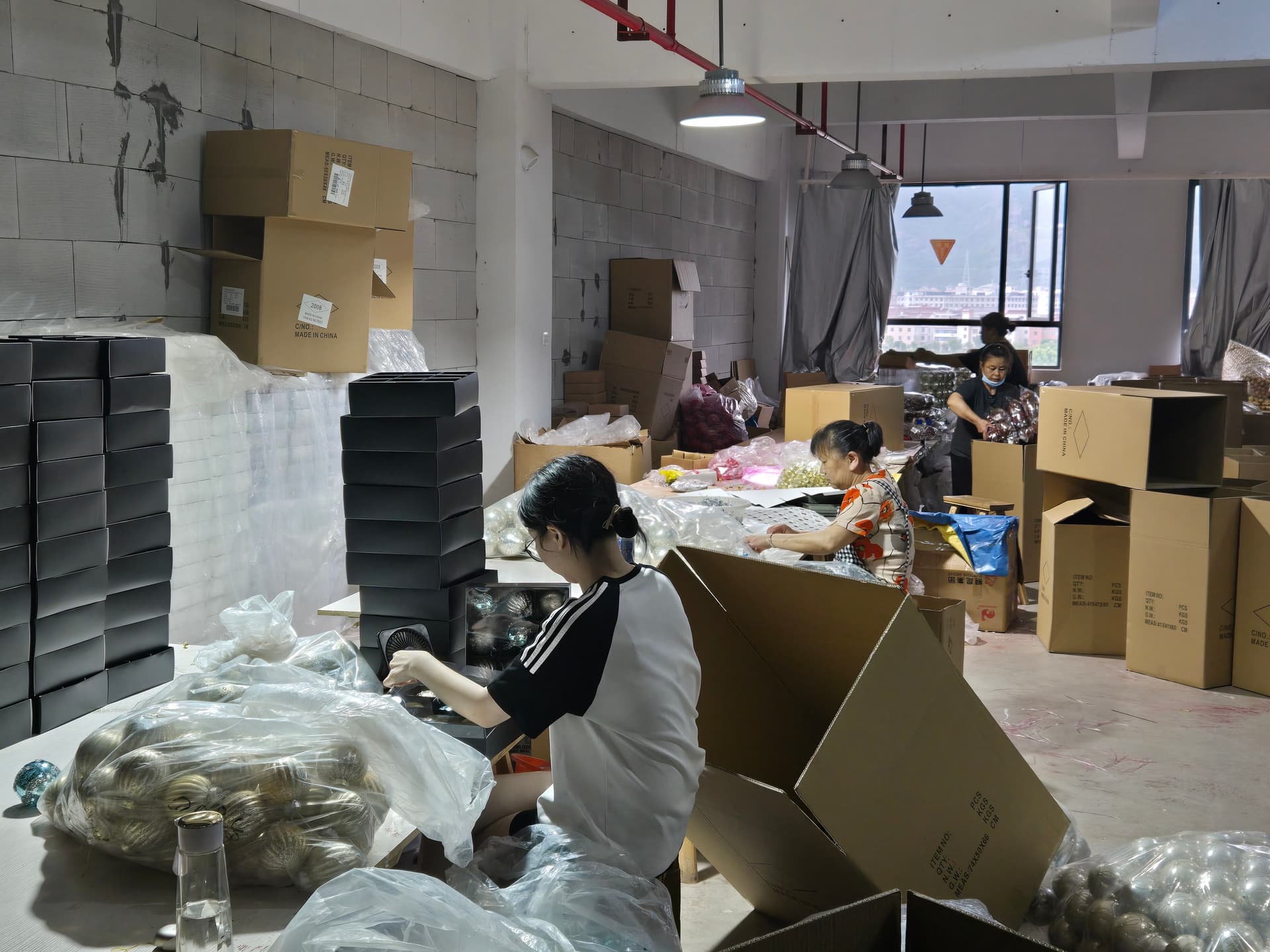
Confirm the factory can format QC packets to your portal fields—not every supplier has experience with large US retail vendor manuals. Gap discovery at onboarding delays first vessel more than finish sampling.
Assign an internal owner to map factory document names to portal taxonomy before bulk production opens.
Damage claims and corrective action
Define damage allowance, photo evidence requirements, and corrective action timelines in commercial terms before MOQ commit. Ornament claims often involve coating scuff, cap loosening, or partition shift—not always outright breakage. request a factory quote
Factories that respond with coating lot trace and inner-pack revision plans demonstrate partnership; suppliers who dismiss DC photos as handling errors without investigation are poor fits for repeat private-label work.
Final checklist before PO release
Complete every line before PO release on first-season programs. Repeat seasons may shortcut tooling steps but should never skip finish comparison against archived masters when any pigment or cap supplier changes. wholesale product catalog · Christmas ornament factory
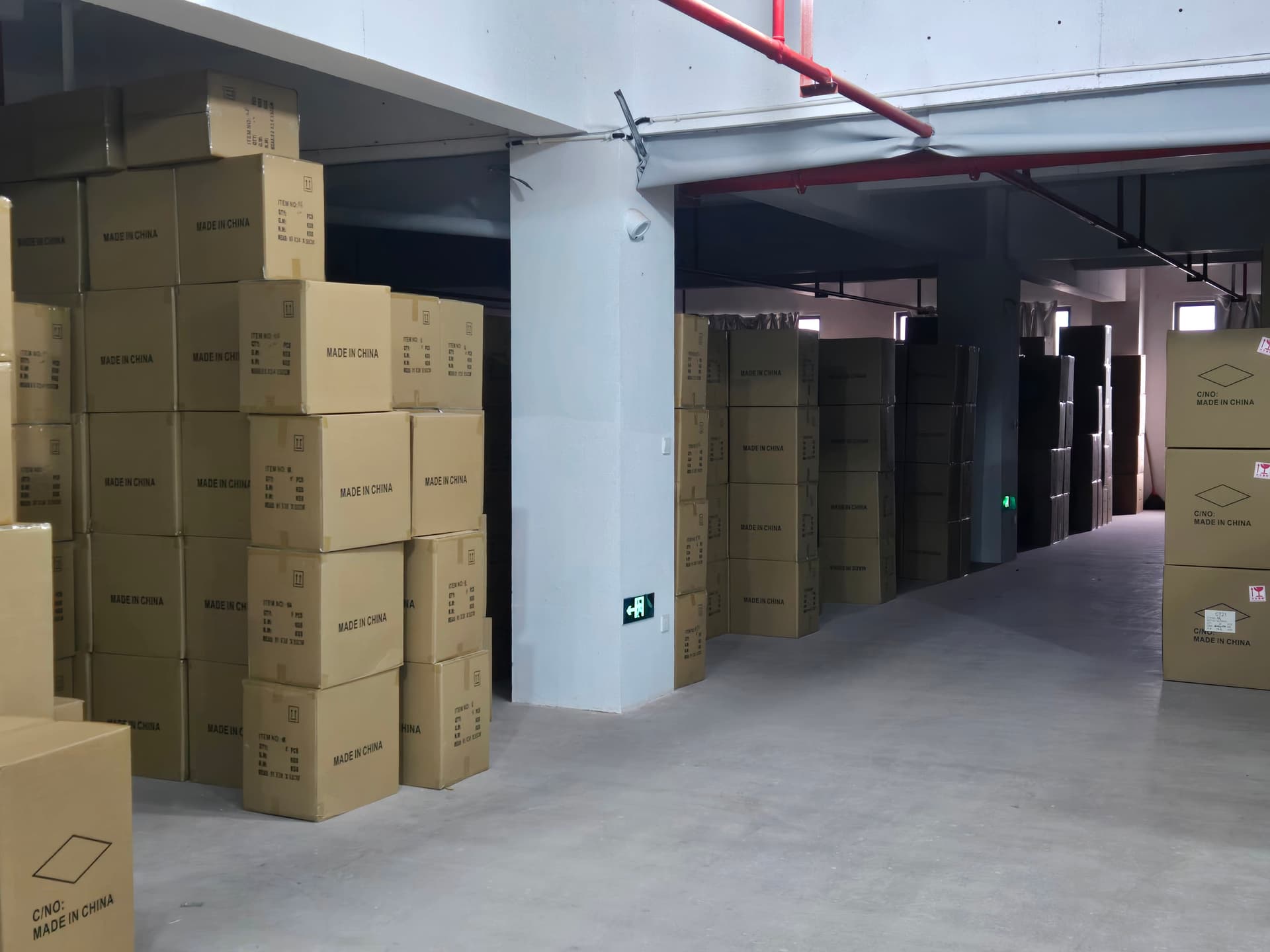
Store checklist completion sign-off in your vendor portal or internal PIM so merchandising, import, and compliance share one release record—disputes after DC receiving often trace to undocumented verbal approvals.
- Signed finish masters archived with master IDs
- Approved packaging dielines with barcode symbology verified
- MOQ, Incoterm, and payment milestones documented
- Compliance attachments confirmed for destination market
- Reverse-engineered timeline agreed with named factory gates
- Forwarder briefed on carton marks and container loading requirements
Questions to ask on the first factory call
Strong answers reference specific gates and documents—not vague assurances of quality. Use responses to populate your scorecard before requesting formal quotation. request a factory quote
Follow up with a written summary of agreed gates and timeline assumptions so both sides reference the same record during pilot and bulk phases.
- Which material platforms do you run in-house versus broker?
- Can you share pilot-to-bulk photos from last season for a similar finish family?
- What MOQ bands apply per colorway for glass and resin respectively?
- How do you document coating lot trace on batch travelers?
- What packaging tiers have you engineered for US club and EU specialty doors?
- Who owns export staging communication with our forwarder?
Long-term supplier partnership signals
Factories that proactively share coating lot changes, partition revisions, and vessel risk early are better partners than suppliers who go silent until export day. Look for responsive export desks with documented escalation paths. Christmas ornament manufacturer · wholesale Christmas ornaments · wholesale Christmas ornaments manufacturers · Christmas ornament factory
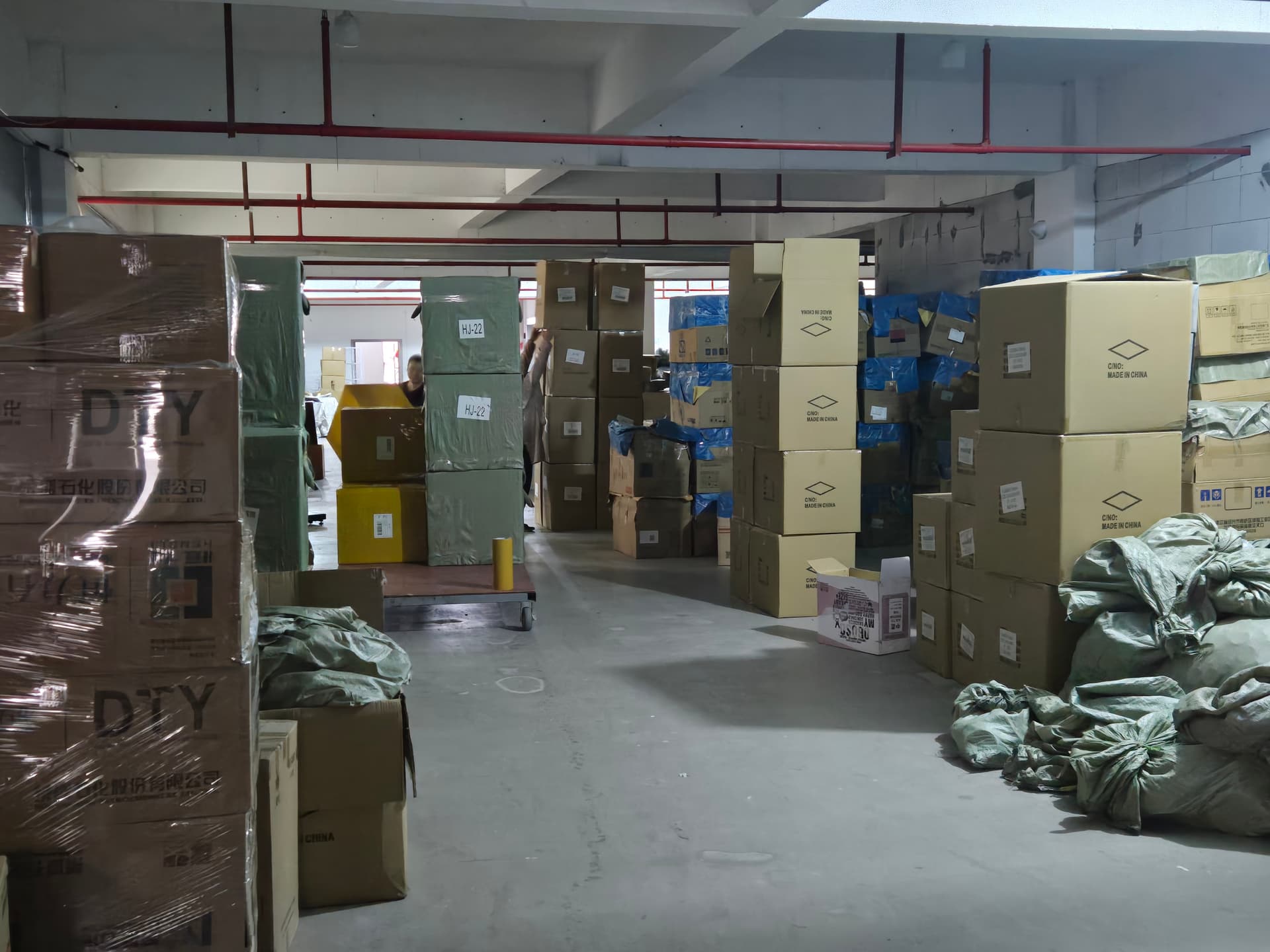
Repeat private-label success depends on archived masters and honest capacity conversations during peak season—not on last-minute overtime promises that compromise QC.
A supplier who refuses to share batch travelers before payment release is a signal to pause PO expansion until documentation standards align with your vendor manual.
Keep a single shared folder of checklist artifacts—audit PDFs, pilot photos, dielines—so new team members onboard mid-season without restarting supplier discovery. Continue qualification against our Christmas ornament manufacturer overview, wholesale Christmas ornaments category guide, and wholesale Christmas ornaments manufacturers page.
Next steps with Shuanglin Crafts
Ready to scope a program? Request a factory quote with your assortment ladder and vessel dates, get our product catalog for finish families and MOQ bands, or send OEM requirements if you need custom caps, packaging, or private-label tooling. Request a factory quote · Get product catalog · Send OEM requirements
You can also review our production setup on the factory page or message the export team through contact when you need lead times confirmed before allocation. Factory tour · Contact export desk
Frequently asked questions
What is the first document to request from a new ornament supplier?
Ask for factory capability evidence—line photos, material platforms, export market experience—and pilot lot protocol, not catalog PDFs alone.
How many suppliers should a wholesale buyer qualify?
Many programs run one primary ball-native factory plus a backup for capacity peaks. Splitting finish families across unverified suppliers risks palette drift.
Should compliance attachments be confirmed before or after sampling?
Before—attach EU packaging, material, and social audit requirements in the RFQ so sampling includes correct dielines and declarations.
What proves a supplier can hit vessel dates?
Reverse-engineered timelines with named gates—pilot, bulk coating, inner pack, export staging—plus prior season vessel references when available.
When is a factory visit worth the cost?
For multi-container private-label programs or new OEM tooling, virtual or in-person line verification prevents expensive bulk corrections.