Luxury Christmas ornament finishes separate specialty doors from commodity seasonal walls. Wholesale buyers who specify premium baubles need measurable finish families—pearl veils, brushed metallics, hand-painted accents—not vague descriptors like premium gold that factories interpret differently across bulk runs. luxury Christmas decorations · OEM development process
Shuanglin Crafts supports wholesale buyers with finished ornament platforms, OEM development, factory tours, and direct export desk contact—use the links below when you are ready to move from research to sampling. product catalog · OEM program overview · factory tour · contact the export desk
Finish discipline protects planogram color stories, photography consistency, and repeat-season private-label reputation. A Christmas ornament manufacturer focused on balls documents coating systems, cap metallization, and craft gates so import desks can audit pilot-to-bulk alignment.
This guide covers core finish families, sampling protocols, cap coordination, and bulk lock procedures for US and EU luxury programs. Explore our luxury decoration line and OEM development path when you build a 2026 color wall.
Why finish discipline matters for B2B buyers
Seasonal returns and markdowns often trace to finish drift—not structural breakage. When bulk coating uses alternate pigment batches or cap metallization diverges from signed masters, specialty retail cannot hold price points or gift-set positioning. glass Christmas balls wholesale · plastic Christmas ornaments
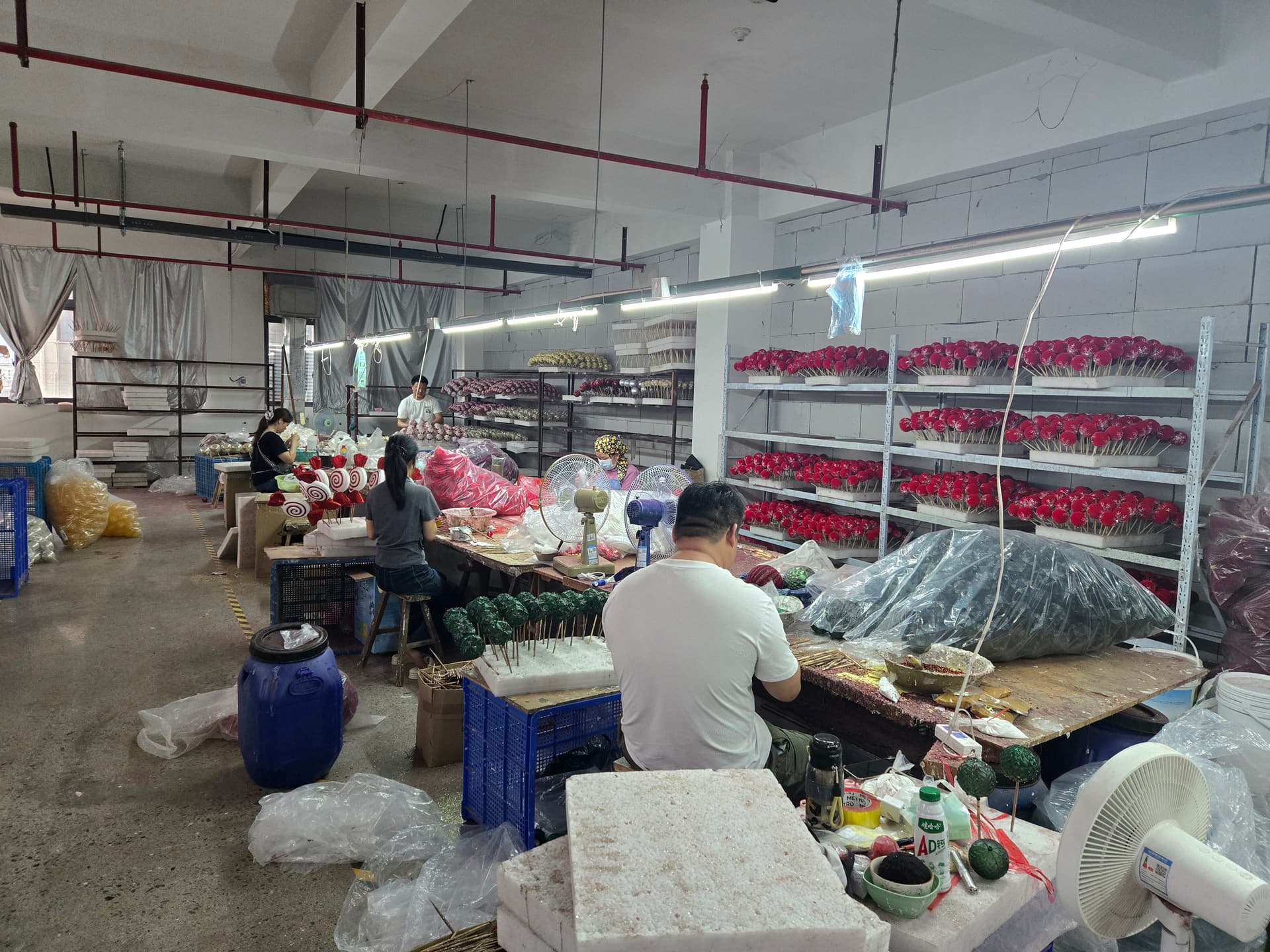
Luxury programs require controlled lighting comparison at pilot approval, coating lot traceability in batch travelers, and inner packs that protect lustre through distribution centers. Importers should treat finish boards as contractual references, not inspirational mood imagery.
Mixed-material walls—glass hero SKUs with resin supporting sizes—need one palette document so fixtures read cohesive under store lighting and e-commerce photography.
Core luxury finish families
Each family carries different line setup times and MOQ implications. Share your door positioning—specialty gift, department store premium, hospitality—so the factory maps finishes to viable production bands.
For factory experience, OEM capability, showroom access, and export programs beyond this topic, see our Christmas ornament manufacturer · OEM Christmas ornament development
- Interior metallic and pearl washes on glass before exterior lacquer
- Soft matte exteriors with satin undertones for giftable sizes
- Brushed copper, champagne, and antique gold metallics for coordinated sets
- Restrained micro-glitter veils—not cluttered mass-market glitter bands
- Hand-painted florals, filigree, and artisan textures at craft stations
Pearl veils and soft matte exteriors
Pearl finishes layer interior washes with exterior veil coats that diffuse light without mirror reflectivity. Soft matte exteriors remain strong for 2026 seasonal resets because they photograph cleanly online and reduce glare in store fixtures. luxury Christmas decorations
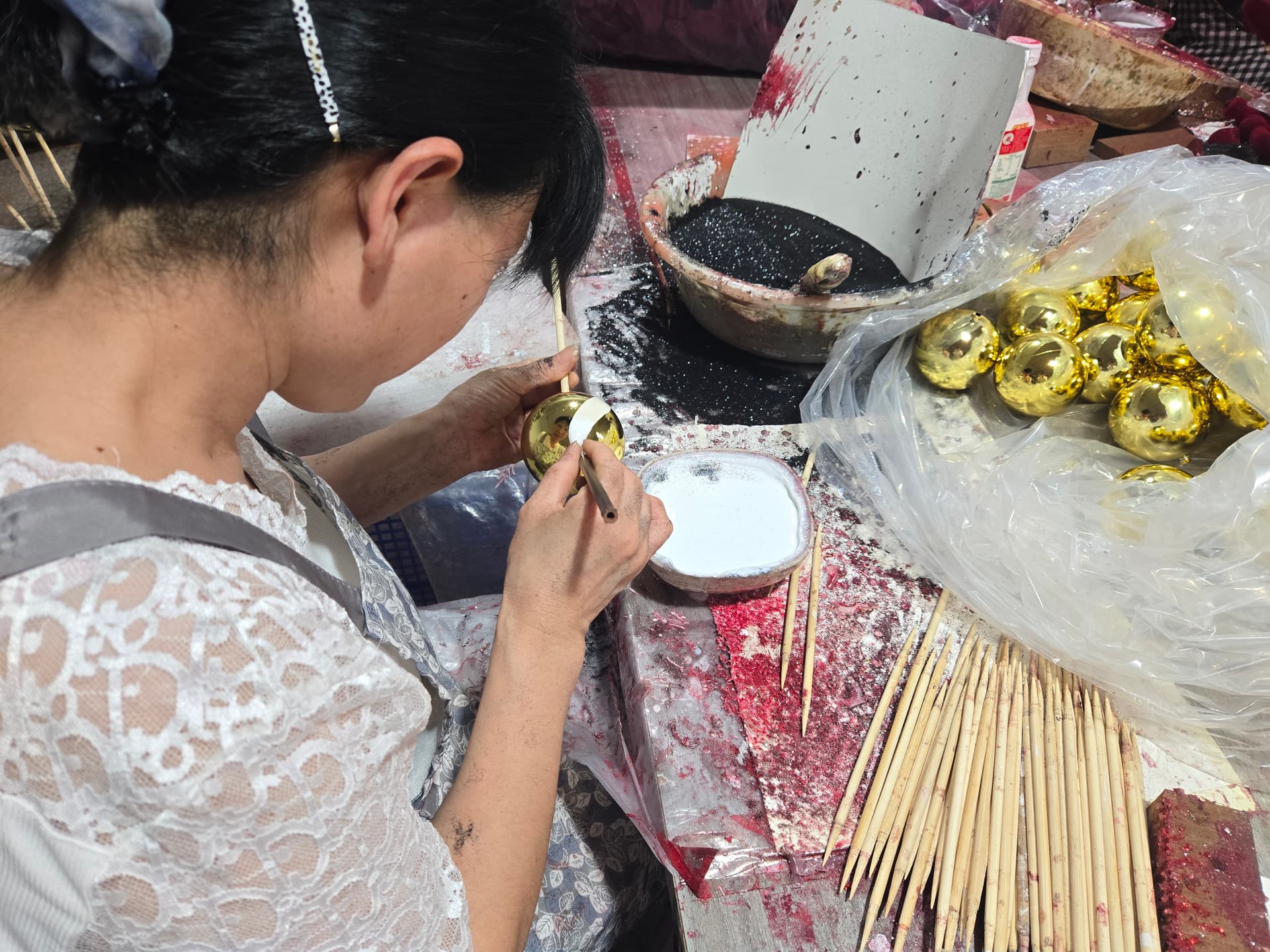
Sampling must compare pearl density at multiple angles—what reads elegant under studio light can look flat under warm retail LEDs if veil coats are under-applied. Document acceptance criteria with the export desk before bulk opens.
Pearl and matte combinations appear across luxury Christmas decoration programs in six- and twelve-count gift sets where cap metallization coordinates with exterior tone.
Building coherent color stories
Anchor each wall with two hero finishes and supporting neutrals—champagne pearl, brushed copper, deep emerald matte—rather than ten unrelated metallics. OEM development can map Pantone references to factory pigment sources when brand guidelines require tight tolerance.
Brushed and antique metallics
Brushed metallics use directional film or controlled lacquer application to avoid cheap mirror chrome associations. Antique gold and oxidized copper tones support heritage and artisan merchandising stories common in European specialty doors. glass Christmas balls wholesale
Metallic programs need cap metallization matched to ball exterior—mixed gold tones between cap and body destroy premium perception at shelf edge. Specify cap finish in the same approval packet as body coating.
High-lustre metallics on glass carry reflectivity advantages for statement sizes; resin platforms approximate brushed effects with UV-stable exterior coats suitable for higher-traffic installs when specified correctly.
Hand-finished and artisan accents
Hand-painted accents, filigree, and flock details run at craft stations with signed finish boards. These gates protect premium price points but extend lead times—factor craft capacity when you reverse-engineer vessel windows. Christmas ornament factory
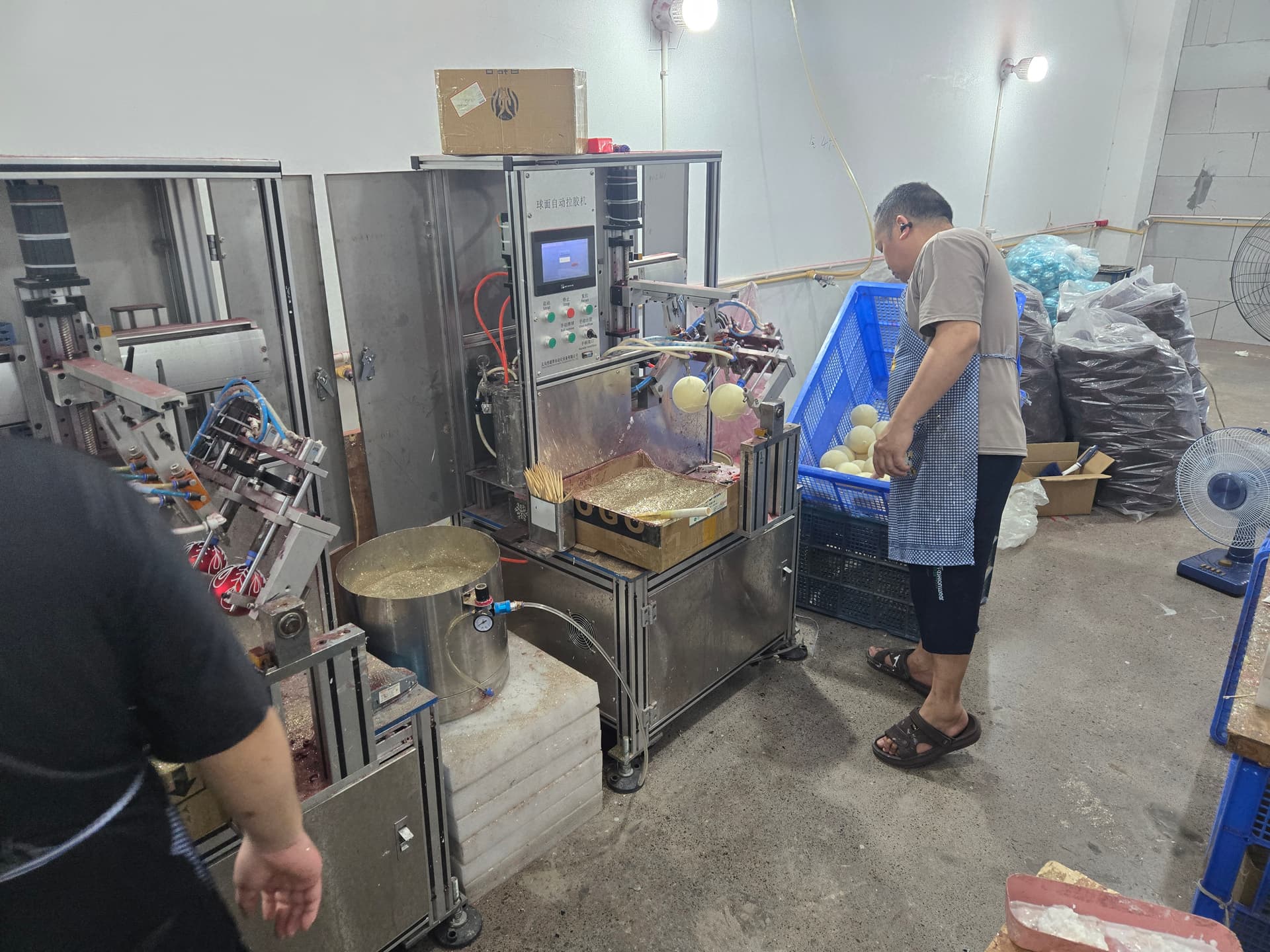
Artisan textures belong on controlled SKU counts—not entire color walls—unless MOQ and labor capacity truly support volume hand work. Pilot lots should show brush consistency and motif alignment across set counts.
Luxury gift programs often pair hand detail on eighty- and one-hundred-millimeter glass heroes with simpler supporting sizes in the same palette.
Cap metallization and hang geometry
Caps are part of the finish story: satin gold, gunmetal, antique bronze, and pearlized metallization must align with body coating under planogram lighting. Hang geometry affects tree drape and photography staging—OEM programs can specify custom cap branding when molds are approved. OEM Christmas ornaments
Torque and hang-balance checks belong in QC packets alongside coating adhesion review. Caps that loosen in transit create silent damage claims that erode margin on premium SKUs.
Sampling, approval, and bulk lock
Repeat seasons on approved platforms shorten lead times when finish families stay stable. Submit your luxury brief through our quote form to map sampling windows against 2026 decoration trends. request a factory quote · B2B sourcing blog
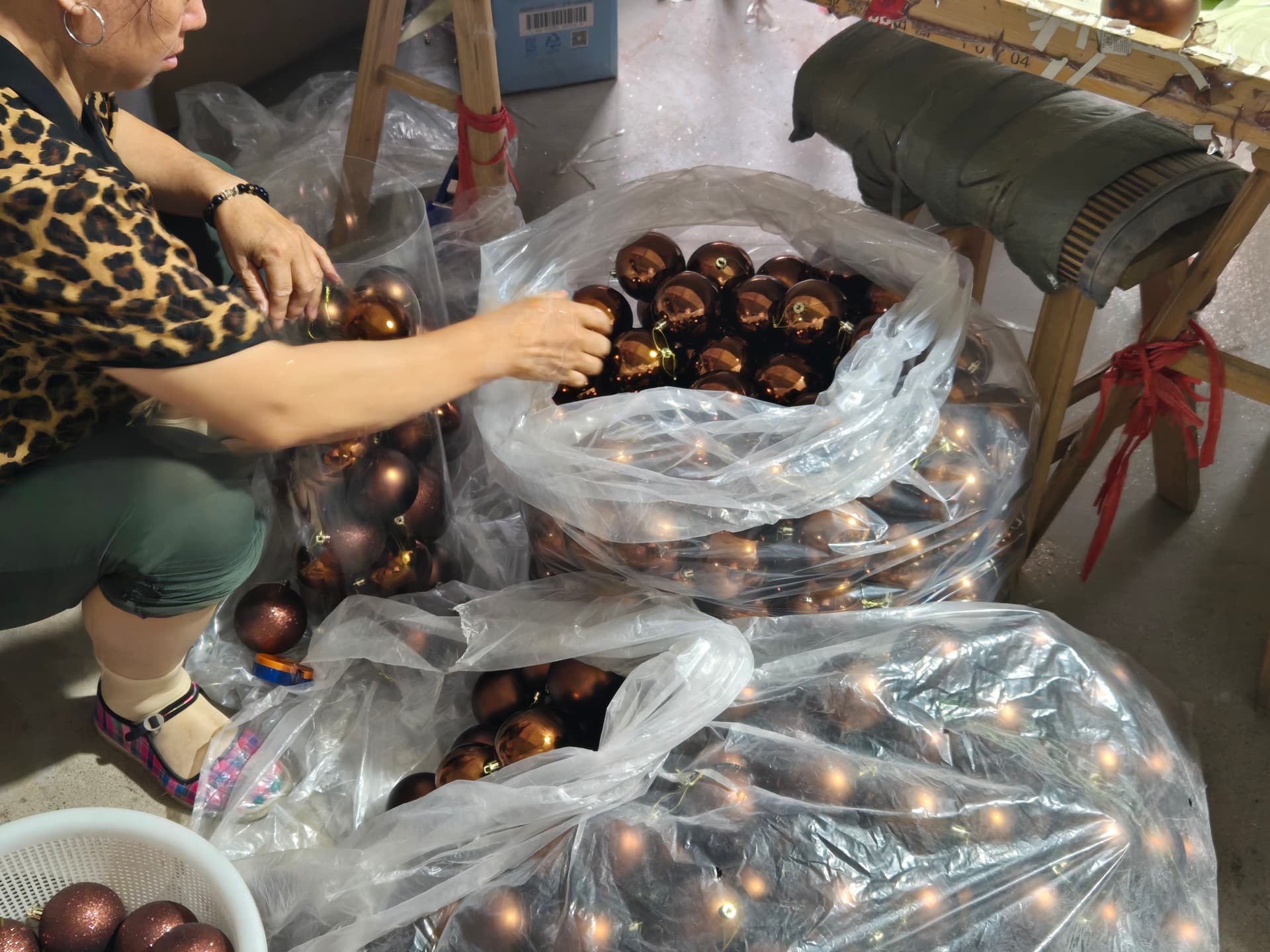
Factory-direct supplier vetting and wholesale sourcing checklists appear on our Christmas ornament supplier · wholesale Christmas ornaments manufacturers
- Submit finish references, Pantone targets, and in-store date with RFQ
- Review pilot strikes under controlled lighting with export desk present virtually when possible
- Sign masters that lock pigment sources and cap metallization
- Open bulk coating only with batch travelers referencing signed master IDs
- Package AQL evidence for vendor portal upload before vessel release
Finishes under photography and e-commerce light
Luxury finishes behave differently under warm retail LEDs, daylight-balanced studio strobes, and mobile camera auto-exposure. Pearl veils can bloom highlights; high-lustre metallics can clip to white on e-commerce if photography teams are not briefed on surface behavior.
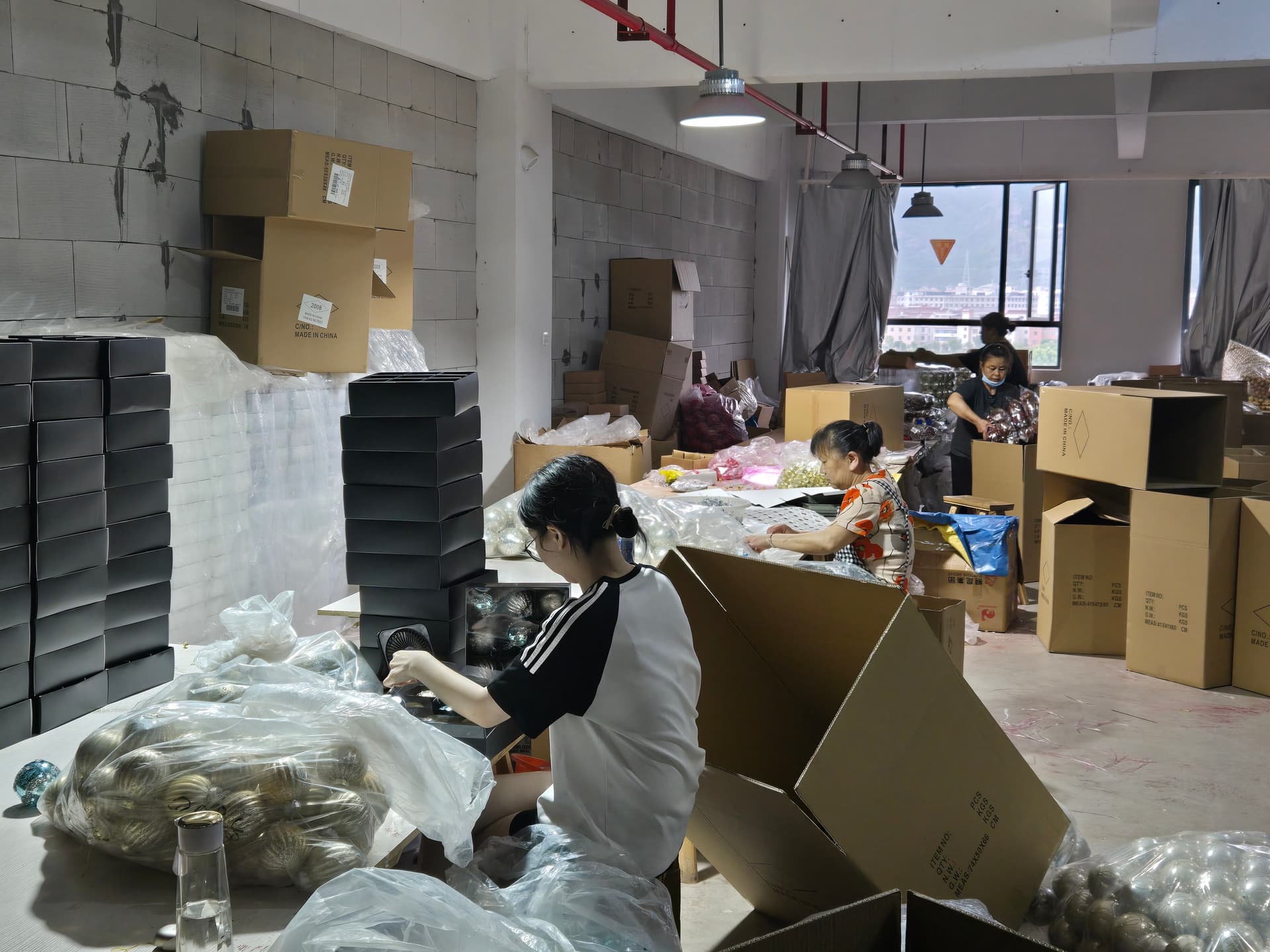
Provide signed masters to photography vendors and specify cap orientation for hanging shots. Small hang-angle changes alter reflectivity on glass heroes and can make bulk runs look inconsistent online even when QC passed in factory lighting.
For omnichannel programs, approve one reference shot per finish family at pilot—merchandising, e-commerce, and import desks then share a single visual standard.
European specialty doors and finish expectations
EU specialty retail often emphasizes restrained metallics, matte exteriors, and packaging recyclability claims alongside finish quality. Multilingual copy and material declarations should be locked when finish masters are signed—not added after bulk print. luxury Christmas decorations
Cap metallization and hang cord materials may fall under vendor manual substance lists. Attach compliance requirements during RFQ so craft and coating bays use approved inputs from pilot forward.
Repeat-season efficiency on approved finishes
Year-two programs should reference archived master IDs, pigment source codes, and inner-pack cavity drawings. Factories that document platforms well can reopen bulk windows in forty-five to sixty days when no tooling changes occur. OEM development process
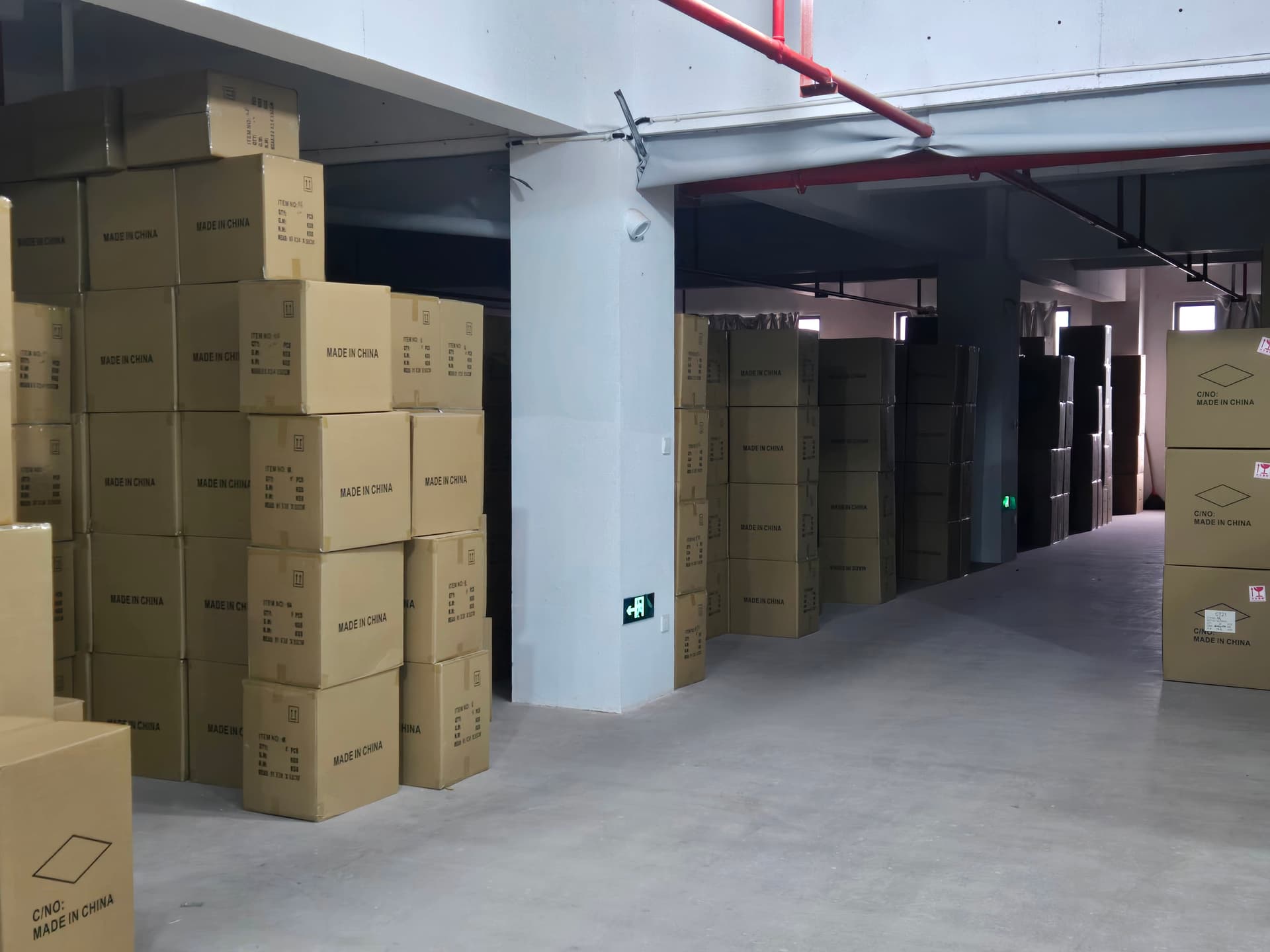
Finish refreshes—shifting antique gold toward brushed copper across a wall—still require new pilot comparison even on approved molds. Treat refreshes as controlled change orders with updated masters.
When cap suppliers or lacquer systems change between seasons, re-run adhesion and torque checks even if visual finish appears identical—silent substrate changes cause late cap failures in transit.
Fixture presentation and hang balance
Luxury finishes fail on the sales floor when hang balance is wrong: ornaments that tilt expose cap mismatches or uneven lustre bands. QC should include hang photos at standard hook angles used in your fixture system. glass Christmas balls wholesale · plastic Christmas ornaments
Weight differences between glass heroes and resin supporting SKUs affect how branches drape in statement displays—merchandising should approve mixed-material hangs at pilot, not discover tilt during store reset week.
Cap hook orientation and cord length should be standardized within a finish family so store staff install consistently—small variations change how light catches lustre on brushed metallics at shelf edge.
Document accepted variance bands for pearl density and metallic brush direction on signed masters so bulk QC compares against measurable standards rather than subjective showroom memory.
What to include in a luxury finish RFQ
Complete briefs reduce sampling iterations and protect vessel windows. Submit through our OEM inquiry path when private-label caps or dielines are part of the program. OEM Christmas ornaments · request a factory quote
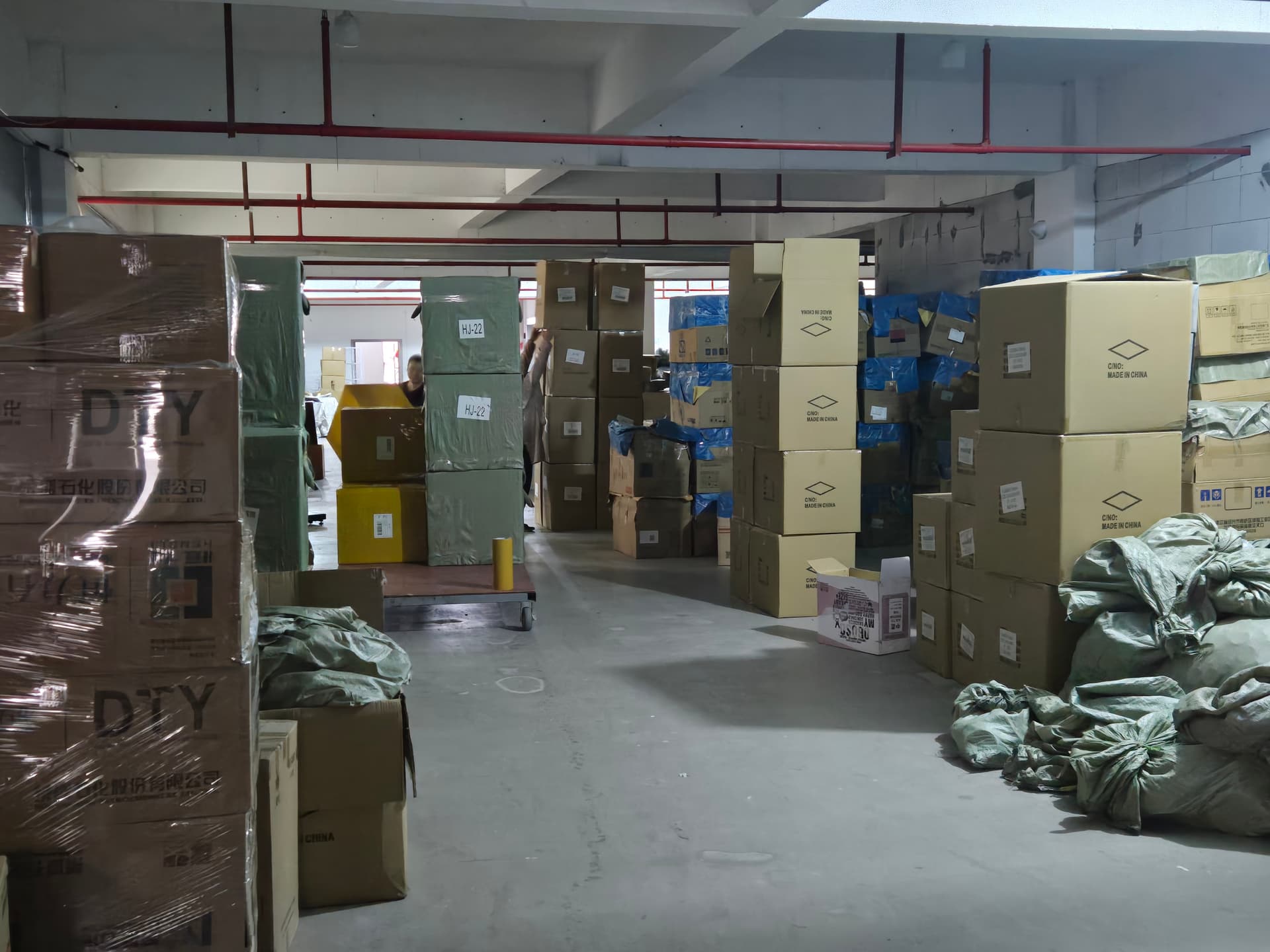
Wholesale MOQ bands, production capacity, channel economics, and FCL planning for seasonal programs are on our wholesale Christmas ornaments · wholesale Christmas ornaments manufacturers
- Door positioning and target retail price band
- Finish references with Pantone or physical strike samples
- Size ladder and set-count architecture
- Cap metallization family and branding requirements
- Packaging tier: gift box, window box, or bulk export
- Photography and e-commerce lighting notes if available
Next steps with Shuanglin Crafts
Ready to scope a program? Request a factory quote with your assortment ladder and vessel dates, get our product catalog for finish families and MOQ bands, or send OEM requirements if you need custom caps, packaging, or private-label tooling. Request a factory quote · Get product catalog · Send OEM requirements
You can also review our production setup on the factory page or message the export team through contact when you need lead times confirmed before allocation. Factory tour · Contact export desk
Frequently asked questions
What finishes define luxury Christmas ornament programs?
Pearl veils, soft matte exteriors, brushed copper and antique gold metallics, restrained micro-glitter, and hand-painted accents—paired with cap metallization matched to the color story.
How long does luxury finish sampling take?
Pilot sampling often runs fourteen to twenty-one days for glass with complex lustre or hand detail. Bulk windows open only after masters are signed under controlled lighting.
Can luxury finishes run on both glass and resin?
Yes—OEM color-wall programs document unified palettes across materials, though reflectivity and hang weight differ. Glass anchors hero sizes; resin may carry supporting SKUs.
How do buyers prevent finish drift in bulk?
Lock pigment sources at pilot approval, require batch travelers with coating lot IDs, and specify AQL review against signed masters—not ad hoc showroom comparisons.
Do luxury programs require custom packaging?
Most specialty doors specify foam-fit gift boxes or rigid window boxes. Engineering inner density at sampling protects finish integrity through DC drops.