MOQ Christmas ornaments: what buyers must understand first
MOQ Christmas ornaments conversations shape every wholesale program—yet many buyers encounter minimum order quantities only after creative locks planogram counts and photography dates. MOQ is not a factory preference to negotiate away without changing finish count, packaging tier, or container plan. It reflects coating setup per colorway, cap metallization runs, inner-pack tooling, mold amortization, and full-container-load cube efficiency that determine whether production is economically viable for both factory and importer. Christmas ornament manufacturer FAQ · Christmas ornament manufacturer · wholesale Christmas ornaments · wholesale Christmas ornaments manufacturers · import Christmas ornaments from China · custom Christmas ornaments
Shuanglin Crafts supports wholesale buyers with finished ornament platforms, OEM development, factory tours, and direct export desk contact—use the links below when you are ready to move from research to sampling. product catalog · OEM program overview · factory tour · contact the export desk
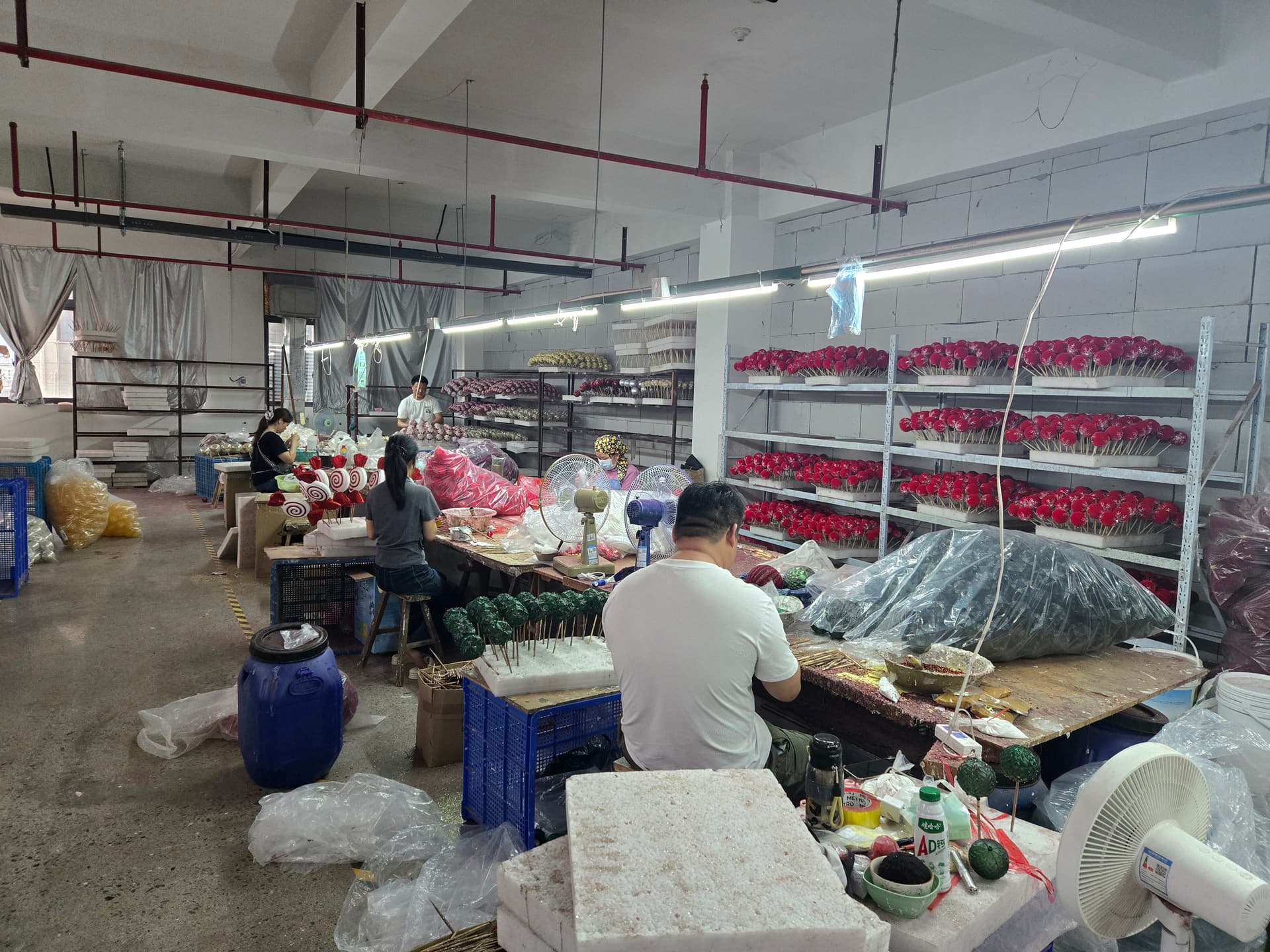
This pillar guide explains what MOQ means in ornament sourcing, how factory MOQ differs from trader quotes, how custom tooling and mold costs interact with minimums, and how OEM, mixed-container, and shipping choices change the MOQ math your finance team must approve. It is written for import desks, retail private-label teams, and category managers building 2026 allocation—not for consumers buying a single carton of decorations.
Use this MOQ explainer alongside our wholesale MOQ bands article, supplier checklist, and manufacturing process guide before you issue RFQs. Document ladder, set architecture, and packaging intent in the first brief so factories return MOQ maps tied to documented gates—not catalog defaults that fail at receiving.
What MOQ means for Christmas ornament buyers
Minimum order quantity (MOQ) is the smallest production lot a factory will run for a given SKU, finish family, or packaging path while covering setup cost, coating changeovers, and export staging. For Christmas ornaments, MOQ is rarely one number for the entire program—it is a matrix across material platform, per-color finish, cap family, inner-pack type, and whether the order fills efficient ocean freight cube. wholesale Christmas ornaments · Christmas ornament manufacturer
Glass ornament finish families, clarity QC, and export specifications are documented on our glass Christmas ornaments
MOQ differs from MOV (minimum order value) and from sample quantities. Pilot lots validate finish and packaging; they do not replace bulk MOQ economics. A factory may produce fifty strike samples but still require thousands per colorway for bulk coating because pigment sources, cap runs, and craft allocation are lot-based.
Import desks should normalize MOQ conversations by finish family and packaging tier—not only total piece count. Three colorways at four thousand pieces each behave differently from one colorway at twelve thousand even when total pieces match, because coating setup is per color.
Wholesale buyers who treat MOQ as a single negotiable number—without ladder, finish count, and container plan—often discover late that packaging dieline MOQ or craft-heavy heroes bind before ornament MOQ does. Front-load those variables in the first RFQ so quotes reflect production reality.
| Term | Meaning for ornament buyers |
|---|---|
| MOQ | Minimum pieces per colorway, finish, or packaging path to open bulk production |
| MOV | Minimum order value—sometimes used by traders; confirm piece MOQ underneath |
| Pilot / sample MOQ | Small lot for approval—does not set bulk economics |
| Dieline MOQ | Separate minimum for retail box print runs |
| FCL MOQ | Container-fill plan that may combine multiple SKUs/colors |
Sample MOQ versus bulk MOQ
Pilot and strike-sample quantities are not bulk MOQ—and conflating them is a common sourcing mistake. A factory may produce fifty to two hundred strike samples for finish approval while still requiring three thousand to five thousand pieces per colorway for bulk coating because pigment sources, cap metallization runs, and inner-pack tooling are lot-based. Christmas ornament manufacturing process
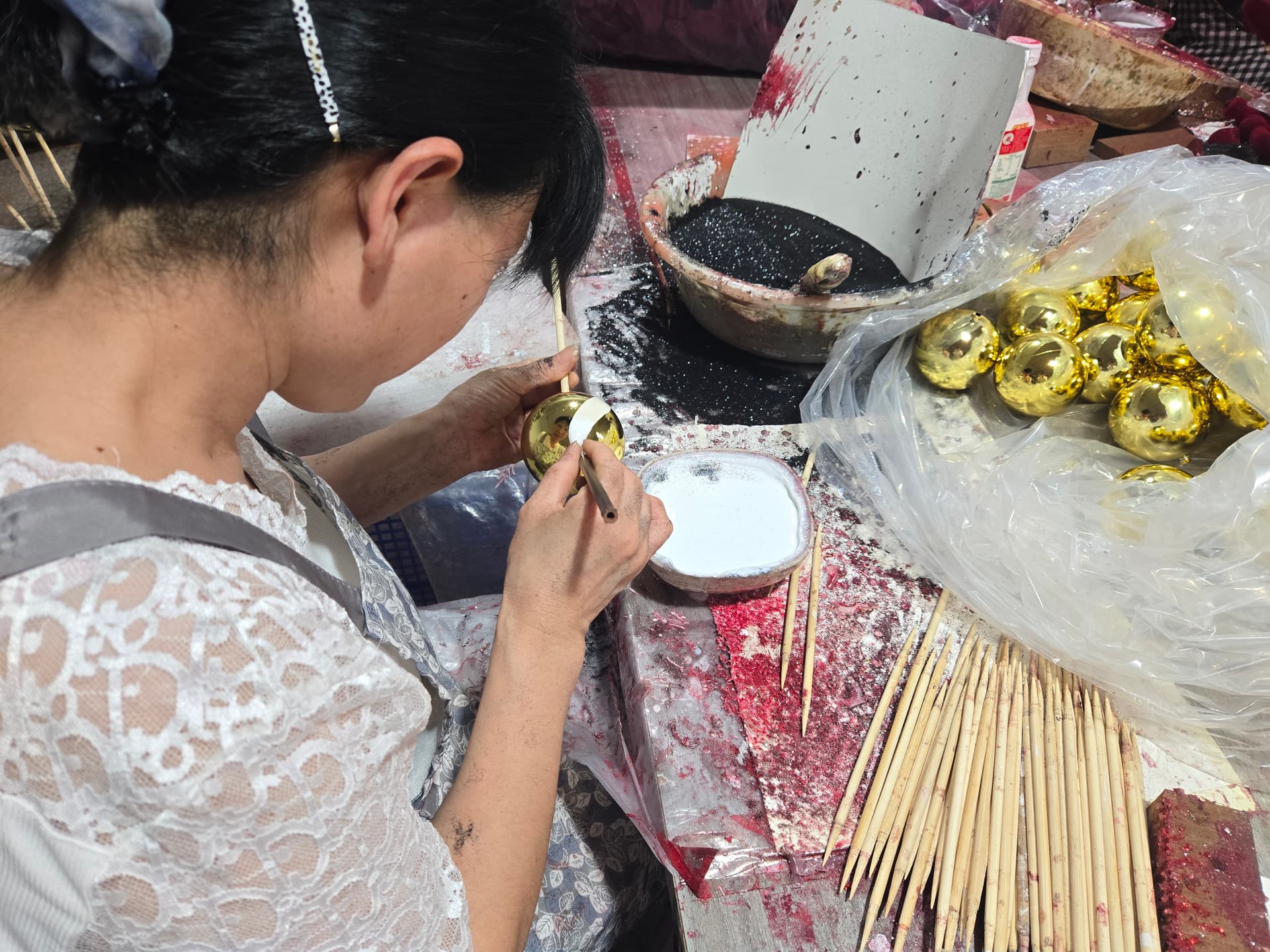
Sample MOQ covers approval economics: coating setup for a small lot, craft time for heroes, and courier freight to your office or QA partner. Bulk MOQ covers production viability: amortized setup across thousands of pieces, FCL cube efficiency, and export staging aligned to vessel windows. Finance should model both—not assume sample unit cost scales linearly to bulk FOB.
Importers who negotiate sample MOQ down without documenting finish scope often receive showroom-quality spheres that bulk cannot reproduce. Require production-intent inner packs and cap systems at pilot so sample MOQ buys approval evidence, not marketing props.
Factory MOQ versus trader MOQ
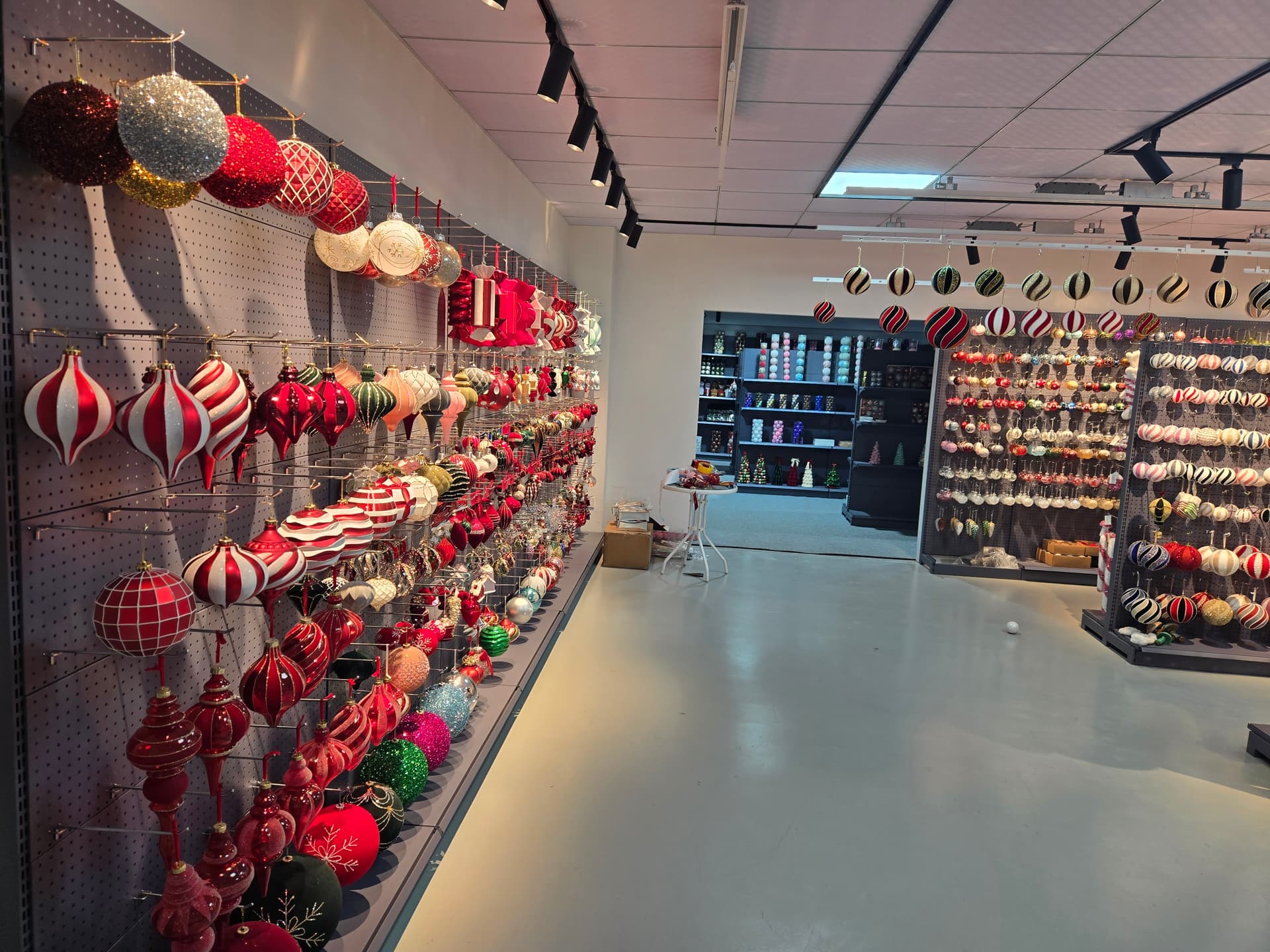
Factory-direct MOQ is tied to coating bays, mold sets, and packing stations the supplier controls. Trading-layer MOQ may hide subcontractor minimums, undisclosed markup, and QC discontinuity when lots move between unnamed partners. Importers comparing MOQ should ask which line runs the SKUs and whether pilot samples came from the same pigment sources as bulk. Christmas ornament manufacturer · Christmas ornament factory · Christmas ornament factory China
A lower MOQ quote from a trader without inner-pack assumptions often inflates landed cost through partition downgrades, unsigned finish masters, or vessel timing disputes. Factory MOQ transparency—including per-color bands and packaging-driven minimums—helps finance model margin before allocation locks.
Ball-native factories publish MOQ bands per material and finish family because spherical programs require coating setup and partition engineering traders may not document. Review our wholesale manufacturers page and factory tour when you score suppliers on MOQ honesty.
Typical factory MOQ bands by material
| Program type | Typical MOQ band | What drives the minimum |
|---|---|---|
| Catalog glass finish | 3,000–5,000 pcs / color | Coating setup, cap run, fragile inner packs |
| Resin shatterproof volume | 8,000–10,000+ pcs / color | Club FCL efficiency, PDQ inners |
| Hand-finish / glitter heroes | Higher effective MOQ | Craft stations and curing windows |
| Luxury gift-set presentation | 3,000–5,000+ sets | Box assembly labor + ornament MOQ |
| Mixed FCL seasonal plan | 5,000+ pcs total (varies) | Combines heroes + volume under one vessel |
These bands are entry points, not guarantees. Finish complexity, cap metallization, retail packaging, and peak-season capacity can shift quoted MOQ after the export desk reviews your brief. glass Christmas balls wholesale · plastic Christmas ornaments
MOQ expectations by retail channel
| Channel | Typical MOQ posture | Planning note |
|---|---|---|
| Department / specialty | Lower set counts, higher price points | Gift-box dieline MOQ often binds before ornament MOQ |
| Mass / value retail | Mixed FCL across colorways | Confirm inner-pack drop tests at pilot |
| Club / warehouse | 8,000–10,000+ pcs / color resin | PDQ density drives cube and packing labor |
| E-commerce private label | 5,000+ OEM SKU after pilot | Photography window must follow pilot sign-off |
| Hospitality / B2B | Resin shatterproof volume | Impact and UV-coat baselines at pilot |
Channel path changes which MOQ binds first. Specialty doors may accept three-thousand-piece gift sets with premium box assembly MOQ; club doors push resin volume where per-color MOQ is higher but landed unit economics favor fixture walls. Category managers should share door count and sell-through assumptions in the first brief so factories return MOQ maps tied to packing-station reality. Christmas ornament distributor programs · luxury Christmas decorations
E-commerce programs that photograph before pilot sign-off inherit markdown risk when bulk drifts from hero samples. Lock finish masters under controlled lighting before creative freezes grid layouts—MOQ negotiation cannot fix coating drift discovered after photography.
Custom MOQ and mold cost
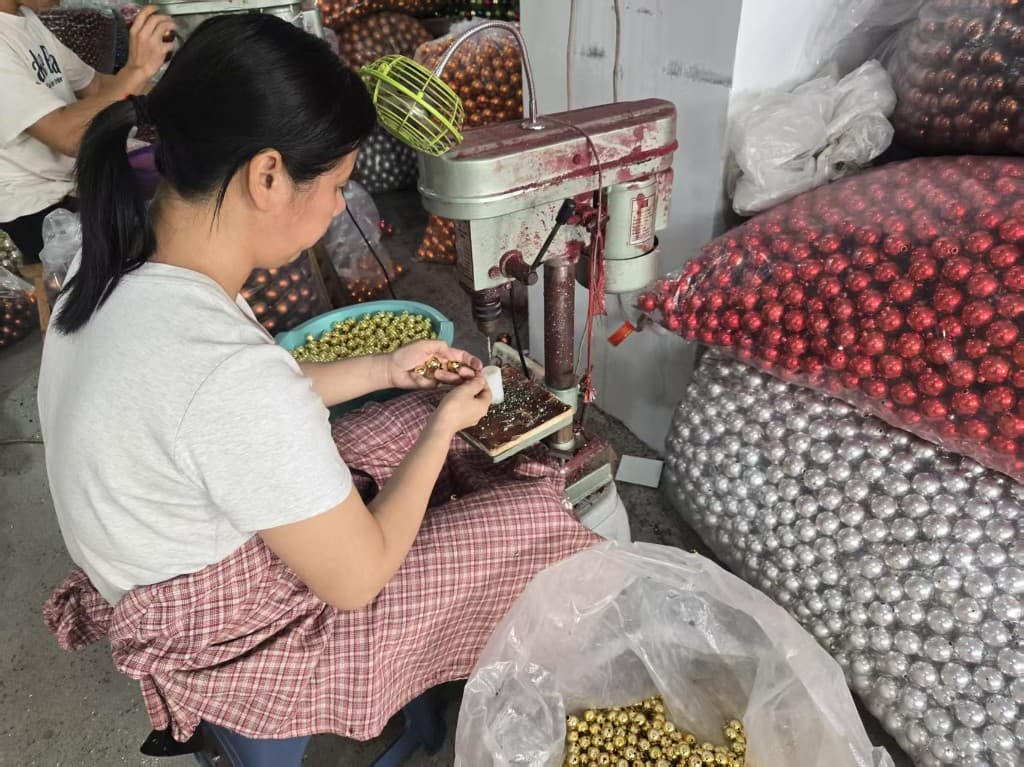
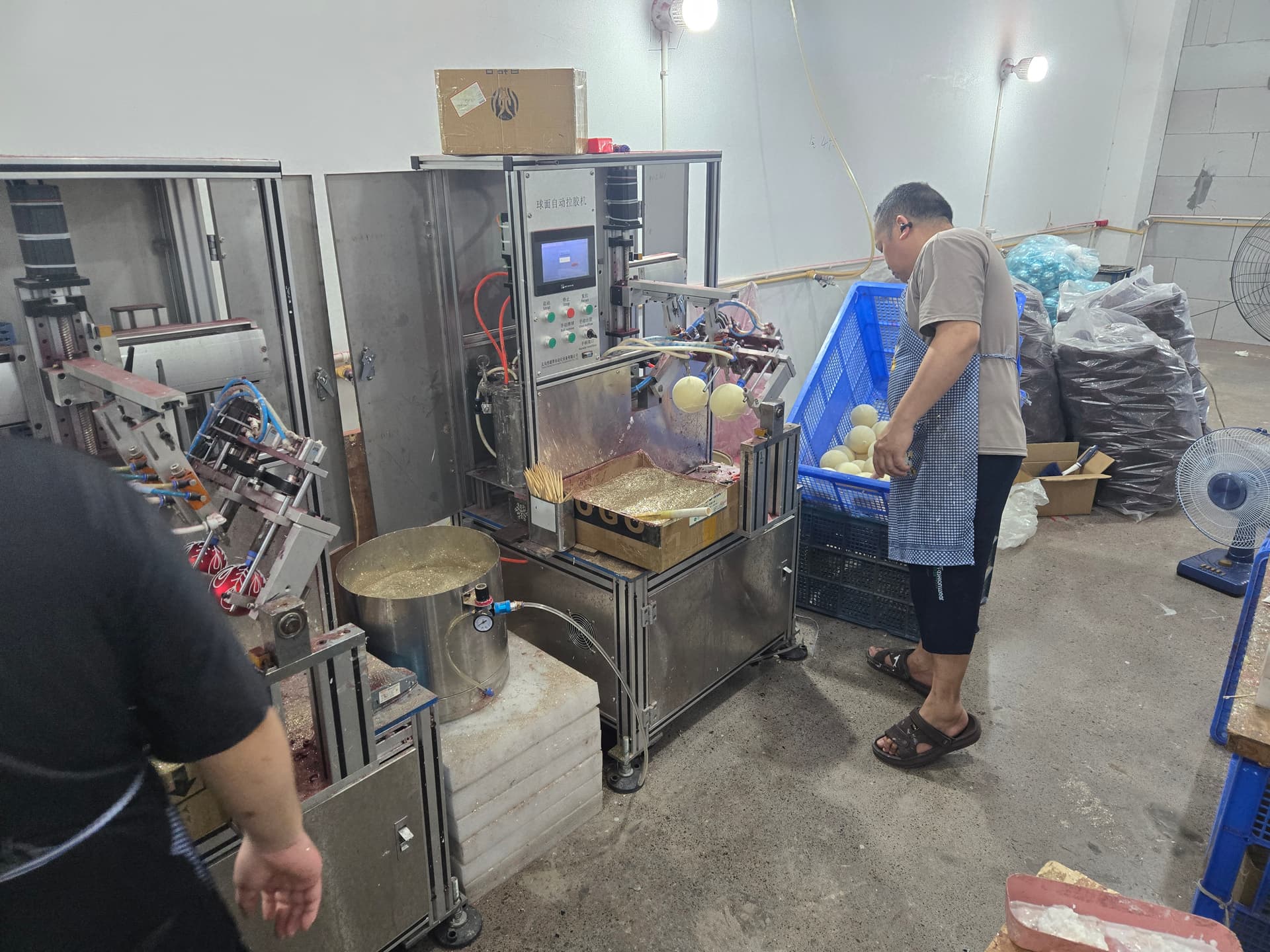
Custom MOQ rises when new geometry, proprietary caps, or retail dielines enter the program. Mold cost—new ball shapes, cap dies, clip tooling—is often amortized across first-season MOQ rather than quoted as a fully separate line item. Buyers should document tooling ownership, deposit terms, and who holds dies if the relationship ends after season one. custom Christmas ornaments · custom Christmas ball manufacturer
Strike samples for new molds may require twenty-five to thirty-five days before pilot coating opens. Custom MOQ without confirmed tooling lead time is a calendar guess that collides with photography and planogram deadlines. Repeat seasons on approved molds reset MOQ conversation because amortization is largely sunk.
Custom Christmas ornaments OEM paths should separate ornament MOQ from packaging MOQ. A viable three-thousand-piece per-color ornament minimum can still fail if gift-box dieline MOQ requires five thousand printed units—finance needs both numbers before approval.
| Custom element | Typical mold / tooling note | MOQ impact |
|---|---|---|
| New ball diameter | New mold set; 25–35 days to strike | Higher first-season MOQ or tooling deposit |
| Custom cap geometry | Cap die; torque validation at pilot | Per-cap-family minimum |
| Retail window box | Dieline plates + packing labor | Separate dieline MOQ from ornament MOQ |
| Branded hang tag | Print plate MOQ | Often lower than ornament MOQ but required at bulk |
| Repeat approved mold | No new tooling | Prior-season MOQ bands often apply |
OEM MOQ for private-label and brand programs
OEM MOQ Christmas ornaments programs add branded caps, finish boards, retail copy, and compliance attachments on top of catalog economics. New OEM platforms frequently start from five thousand plus pieces per SKU after pilot approval—even when catalog glass might start near three thousand per color—because private-label packaging and cap branding consume additional setup. OEM development process · private label Christmas ornaments · OEM Christmas ornaments
Private-label gift sets couple ornament MOQ with box assembly MOQ. Department and specialty doors may accept lower set counts at higher price points; club doors push resin volume with PDQ inners at eight thousand to ten thousand plus per color. Align channel path in the first RFQ so OEM MOQ quotes reflect packing-station reality.
OEM buyers should confirm milestone payments tied to pilot approval and packaging sign-off rather than calendar guesses. Skipping signed masters before bulk opens is a frequent source of returns when bulk drifts from the hero sample merchandising approved.
Tooling ownership clauses matter when OEM MOQ spans multiple seasons. If the relationship ends after year one, who holds ball molds, cap dies, and dieline plates? Document ownership before deposit so repeat-season MOQ negotiations start from facts—not assumptions.
Co-brand and licensed programs add approval layers that extend pilot windows. Build licensor review time into MOQ conversations when retail copy, color standards, or character geometry require external sign-off before bulk coating opens.
- OEM new platform: often 5,000+ pcs / SKU after pilot; 90–120 days to vessel
- OEM repeat season: 45–60 days when molds and dielines unchanged
- Private-label retail box: add dieline MOQ and packing labor
- Cap branding: per-family minimum tied to metallization runs
- Compliance packets: scoped per SKU for EU or specialty retail doors
Mixed-container MOQ and FCL planning
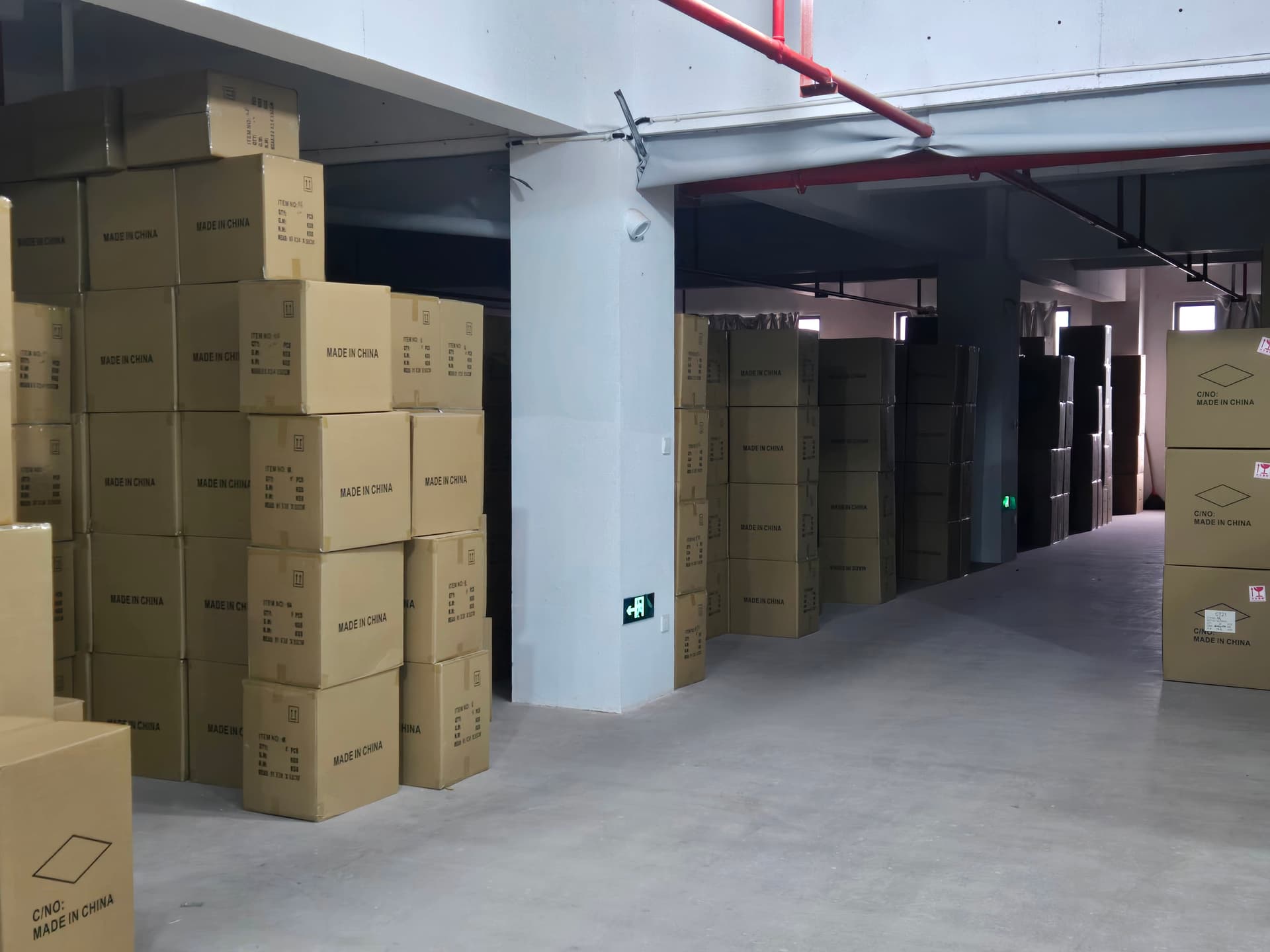
Mixed-container MOQ spreads coating setup across multiple colorways or SKUs in one full-container-load plan—lowering effective per-color MOQ when set architecture is confirmed early. Importers who add finish SKUs after vessel booking fragments lots below efficient setup thresholds and often pays air-freight recovery or accepts coating delays.
FCL cube modeling should include master carton dimensions, pallet height limits, and weight distribution your forwarder accepts. Glass partition inners and resin PDQ layouts have different cube economics—MOQ flexibility appears when multiple colorways share one coating family and one inner-pack format.
Splitting allocation across two vessels only works when factory and forwarder confirm coating windows for both lots. MOQ splits that fragment color runs below minimum setup often increase total cost even when each tranche looks smaller on paper.
Less-than-container-load shipments sometimes tempt buyers who want lower upfront MOQ—but LCL freight per piece often erodes margin planned on attractive unit FOB. Model landed cost at realistic MOQ before choosing LCL over FCL, especially for glass programs where breakage reserve already pressures margin.
Mixed-container planning works best when one finish family dominates the color wall. Combining matte resin volume with high-lustre glass heroes in one FCL requires careful sequencing—heroes may need longer curing windows that push resin volume into a second coating bay or second vessel.
| FCL strategy | MOQ benefit | Risk if poorly planned |
|---|---|---|
| Multi-color one finish family | Shared coating setup | Last-minute color adds miss vessel |
| Glass heroes + resin volume | One palette document | Mixed inner-pack engineering errors |
| Split vessel by category | Peak capacity relief | Fragmented setup below MOQ |
| Early Q2 booking | Coating bay reservation | Late dieline approval compresses bulk |
How shipping and Incoterms interact with MOQ
Shipping method does not change factory coating MOQ, but it changes the landed economics that make MOQ worthwhile. Full-container-load ocean freight amortizes freight across thousands of pieces; less-than-container-load or air freight punishes low MOQ pilots that should have stayed at sample scale until approval finished. import Christmas ornaments from China
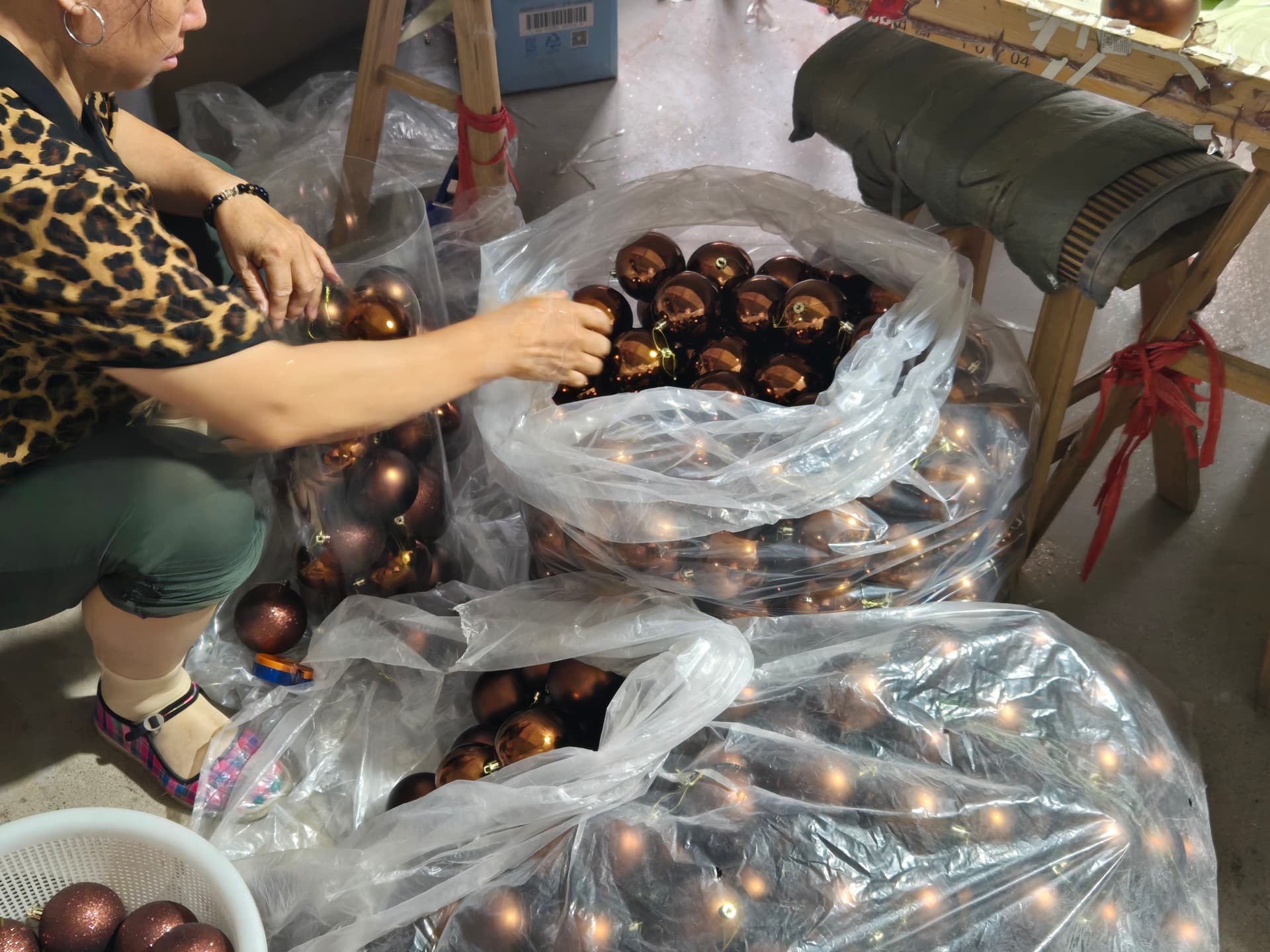
FOB programs transfer risk at port—importers own freight booking and must align vessel dates with factory export staging. MOQ negotiated without vessel window often becomes a lead-time problem when coating bays are booked for other clients at peak. CIF quotes bundle freight but still require MOQ that fills efficient cube for margin to hold.
Import desks should reverse-engineer from in-store date through DC receiving, ocean transit, export staging, bulk coating, and pilot sampling. Mid-summer booking cutoffs for North American Q4 resets are unforgiving when craft-heavy SKUs need longer curing than matte resin walls.
Duty, insurance, and inland drayage sit outside factory MOQ but inside landed-cost models finance approves. A viable per-color MOQ at FOB can fail margin review when LCL freight and breakage reserve stack on top—model the full lane before allocation committees sign.
Air-freight bulk recovery when MOQ was set too low for coating efficiency destroys margin planned on attractive unit FOB. Use pilots to validate sell-through before committing club-scale resin MOQ that locks inventory if a color underperforms in week one of reset.
| Milestone | Typical window | MOQ implication |
|---|---|---|
| RFQ to tooling quote | 5–15 business days | MOQ bands tied to ladder and packaging path |
| Pilot / strike sampling | 10–21 days glass · 12–16 resin | Sample MOQ ≠ bulk MOQ |
| Bulk coating to FOB | 35–70 days | Per-color MOQ must fill coating setup |
| Ocean transit to US West Coast | 18–28 days | FCL cube amortizes freight across MOQ |
| DC receiving to in-store | 5–15 days | Late MOQ decisions miss vessel peaks |
Packaging-driven MOQ many buyers miss
Retail packaging—window gift boxes, PDQ shippers, branded sleeves—adds dieline MOQ, packing-station labor, and barcode verification that bulk-export egg-crate lines skip. A low ornament unit FOB can hide packaging MOQ that surfaces when merchandising submits dielines after the first quote.
Confirm packaging path in the first RFQ: bulk export only, retail gift box, or club PDQ. Photography and planogram teams should know packaging MOQ before they design sets that cannot be produced at viable lot sizes for your channel.
Common MOQ mistakes importers make
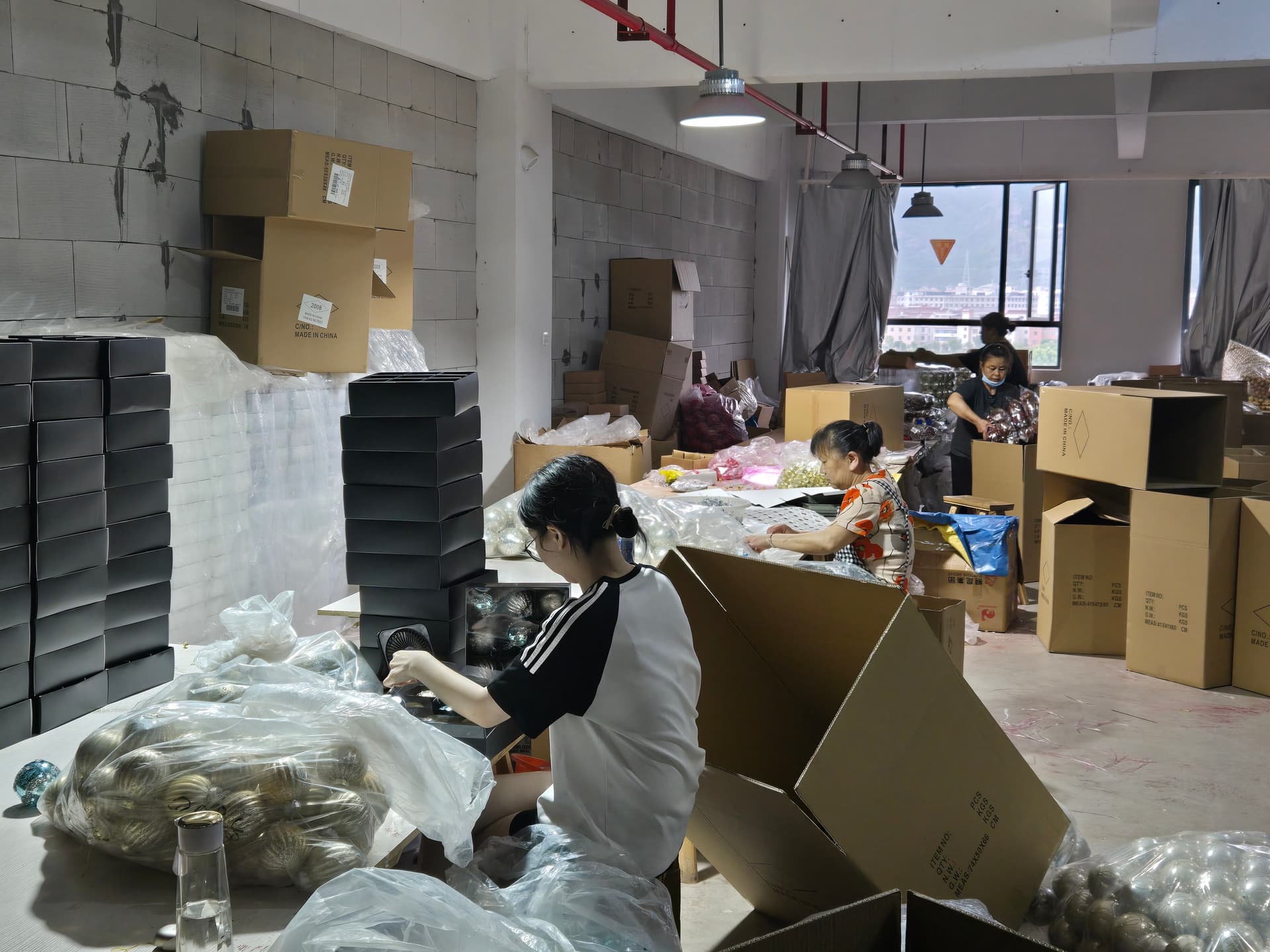
- Treating trader MOQ as factory MOQ without naming the production line
- Approving photography before pilot finish sign-off locks drift risk
- Negotiating unit FOB without confirming per-color and dieline MOQ
- Adding finish SKUs after vessel booking fragments lots below setup
- Assuming sample quantity economics scale linearly to bulk FOB
- Ignoring mixed-material palette documents when glass and resin share FCL
- Booking ocean freight before inner-pack drop tests pass at pilot
- Skipping FCL cube model—MOQ looks viable until forwarder rejects stack height
Each mistake shifts pain to lead time, returns, or air-freight recovery rather than saving money. MOQ transparency from ball-native factories—per-color bands, packaging path, tooling ownership—lets finance model margin before allocation committees approve seasonal buy. how to choose a Christmas ornament manufacturer · Christmas ornament manufacturing process
Score suppliers on whether MOQ quotes include inner-pack assumptions and coating-family setup, not only piece minimums. A lower MOQ from an undisclosed subcontractor often costs more at receiving when partition quality and finish trace fail vendor portal review.
Negotiating MOQ without breaking lead time
Effective MOQ negotiation combines colorways in FCL plans, aligns finish families to shared coating runs, and schedules craft-heavy heroes after volume colors when bays are sequential. Asking for lower MOQ without changing ladder, finish count, or packaging format usually shifts pain to lead time—not unit price. how to choose a Christmas ornament manufacturer · request a factory quote
Repeat-season buyers leverage approved platforms to reset MOQ—tooling and dielines amortized. New brands should prioritize viable MOQ with documented pilots over aggressive unit-price targets requiring impossible lots for their door count.
Share sell-through assumptions and door count in negotiation—not only target unit FOB. Factories can sometimes structure mixed FCL plans that lower effective per-color MOQ when set architecture and finish families are confirmed before vessel booking.
- Per-color MOQ for each finish family on the ladder
- Packaging path MOQ: bulk, gift box, or PDQ
- Mold and dieline ownership with deposit terms
- FCL cube model with forwarder stack limits
- Pilot window relative to bulk coating and vessel booking
- Mixed-material notes when glass and resin share one container
MOQ checklist before you sign allocation
Submit MOQ questions with your RFQ so the export desk returns bands tied to inner-pack assumptions, coating families, and vessel targets—not abstract per-piece minimums. Score factories on MOQ transparency and batch traceability alongside unit FOB. B2B sourcing blog · Christmas ornament manufacturer FAQ · Christmas ornament manufacturing process
Finance models should include partition cost, breakage reserve on glass, PDQ tooling on resin, and expected distribution-center handling—not spreadsheet unit cost alone. Pair this guide with our FAQ MOQ entries and wholesale MOQ bands article when you build allocation committee packets.
When allocation committees compare two factories, normalize MOQ quotes by finish family, packaging path, and FCL cube—not headline unit FOB alone. The supplier with higher per-color MOQ but documented pilot evidence often lands lower total cost than a trader promising impossible minimums that fail at receiving.
Carry-forward planning matters: repeat-season buyers should archive approved molds, dielines, and finish masters so MOQ negotiations in year two start from sunk tooling—not from zero as if the program were new.
Next steps with Shuanglin Crafts
Ready to scope a program? Request a factory quote with your assortment ladder and vessel dates, get our product catalog for finish families and MOQ bands, or send OEM requirements if you need custom caps, packaging, or private-label tooling. Request a factory quote · Get product catalog · Send OEM requirements
You can also review our production setup on the factory page or message the export team through contact when you need lead times confirmed before allocation. Factory tour · Contact export desk
Frequently asked questions
What does MOQ mean for Christmas ornaments?
MOQ is the minimum production quantity per colorway, finish family, or packaging path needed to cover coating setup, cap runs, inner-pack tooling, and efficient export staging—not an arbitrary factory preference.
What MOQ should US importers expect for glass Christmas ornaments?
Many glass finish programs start around 3,000–5,000 pieces per colorway; specialty hand-finish or glitter heroes may carry higher craft minimums.
Why is resin ornament MOQ often higher than glass specialty MOQ?
Club and mass resin lines target 8,000–10,000+ pieces per color for FCL efficiency—per-color MOQ is higher but unit economics favor volume doors.
How do mold costs affect custom ornament MOQ?
New ball or cap tooling is often amortized across first-season MOQ with deposits and ownership terms documented in OEM contracts. Repeat approved molds lower effective MOQ.
What is OEM MOQ for private-label Christmas ornaments?
OEM programs often start from 5,000+ pieces per SKU after pilot, with separate dieline MOQ for retail boxes. New platforms may need 90–120 days to first vessel.
Can mixed-container plans lower per-color MOQ?
Yes—FCL plans that combine multiple colorways under one finish family and inner-pack format can spread setup costs when ladder and cube are confirmed early.
Does shipping method change factory MOQ?
Not directly—but LCL or air freight erodes margin on low-MOQ lots. MOQ should align with FCL cube economics for wholesale programs.
Does retail packaging increase MOQ?
Yes. Gift boxes and PDQ shippers add dieline MOQ and packing labor beyond bulk-export ornament minimums.