Wholesale buyer guide
How to Choose a Christmas Ornament Manufacturer
A complete Christmas ornament supplier guide for importers and retail brand teams—evaluate factory experience, OEM capability, QC systems, certifications, sampling, MOQ, export discipline, and the common mistakes that inflate landed cost.
- Factory verification
- OEM / ODM programs
- QC & certifications
- Export-ready packaging
Manufacturer overview
How to Choose a Christmas Ornament Manufacturer — factory-direct supply
Choosing a Christmas ornament manufacturer is one of the highest-stakes seasonal decisions a wholesale buyer, retail import desk, or private-label brand team makes each year. The best Christmas ornament manufacturer for your program is not whoever returns the lowest unit FOB first—it is the factory that documents coating lot trace, inner-pack drop fit, export staging, and peak-season capacity with batch context your QA partner can defend at distribution-center receiving.
This Christmas ornament supplier guide consolidates what importers should evaluate before seasonal allocation locks: factory experience, production capacity, OEM and ODM capability, quality control systems, certifications, sampling discipline, MOQ economics, lead time, export experience, packaging engineering, and shipping methods. Use it alongside our factory tour, wholesale manufacturers page, and supplier checklist while you build vendor scorecards for China sourcing.
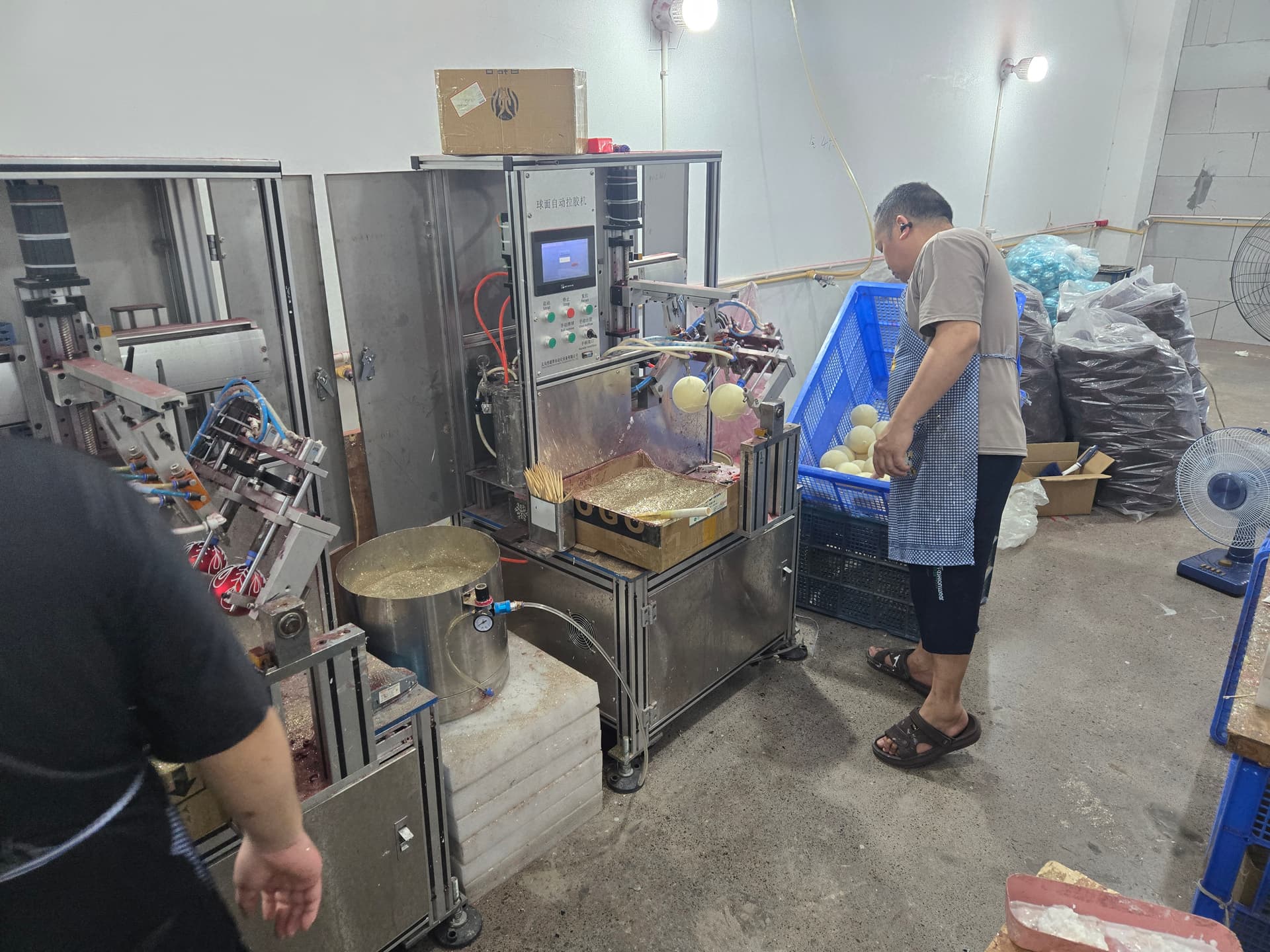
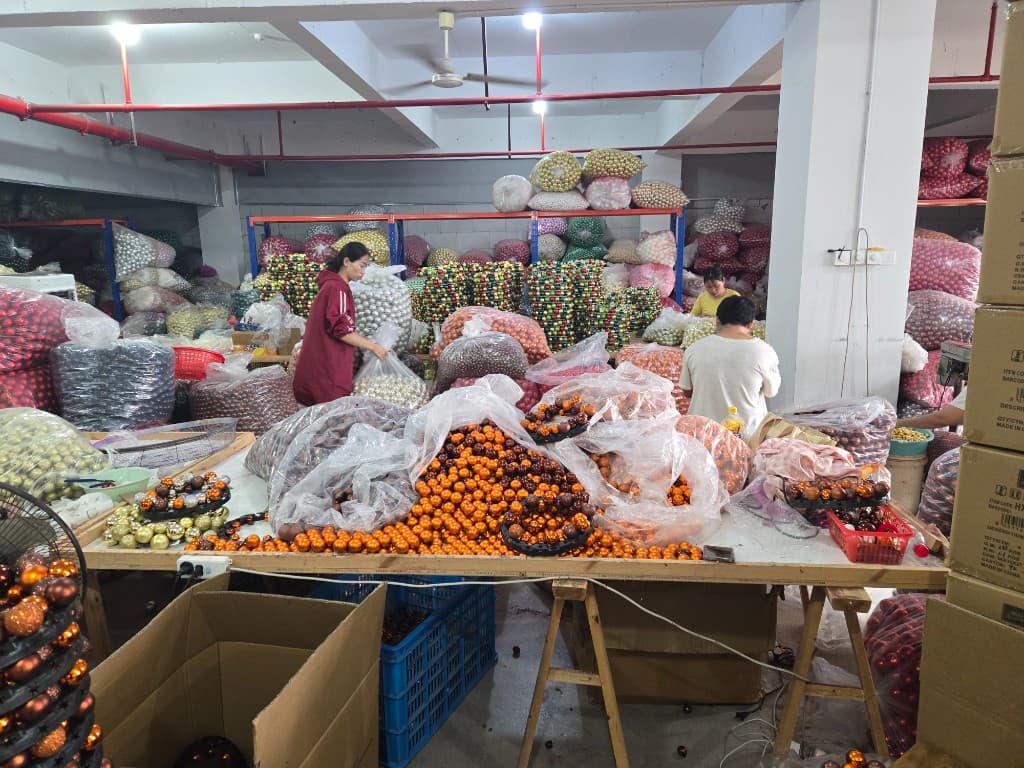
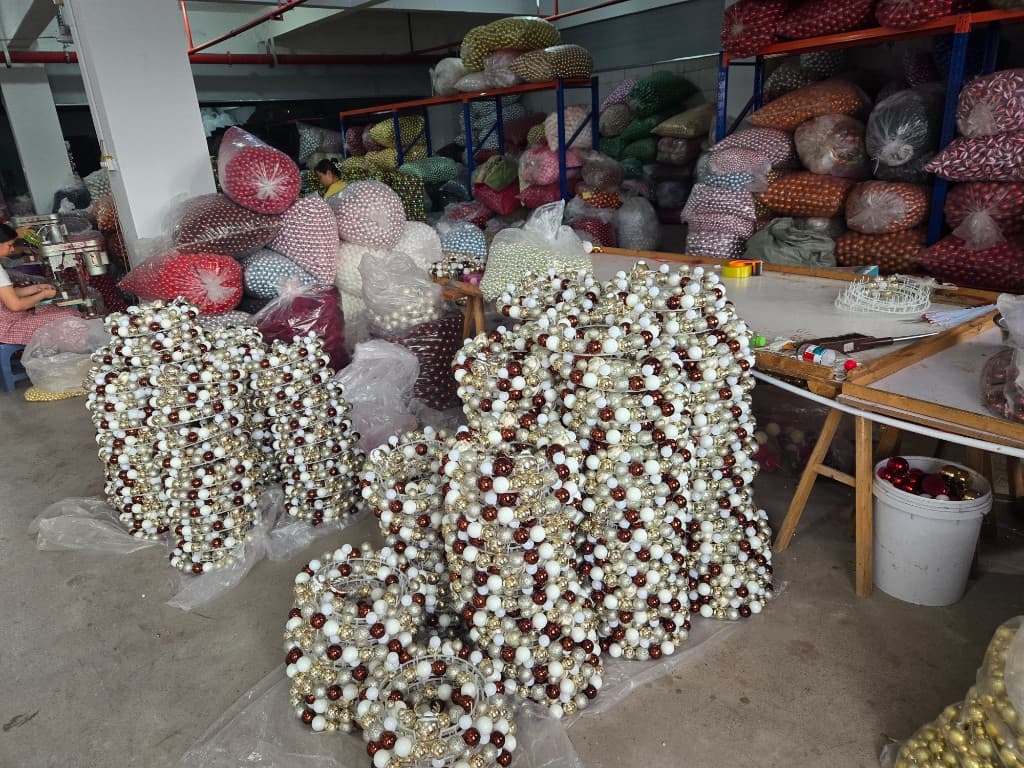
A credible Christmas ornament manufacturer China partner publishes production photography across coating bays, craft stations, cap assembly, packaging lines, and warehouse staging—not unrelated décor samples without batch travelers. Trading layers may offer catalog access, but they rarely document pilot-to-bulk comparison under controlled lighting or format QC packets for vendor portal upload at the depth import desks require.
Wholesale Christmas ornaments programs fail when buyers treat supplier selection as a price auction alone. Coating drift, crushed inner packs, vessel slips, and compliance gaps surface after planograms and photography lock—markdown risk importers cannot recover mid-season. Factory-direct relationships with a ball-native custom ornament factory reduce undisclosed markup and align vessel timing when ornament, garland, and wreath assortments share one seasonal brief.
OEM Christmas ornaments and custom Christmas ornaments add tooling ownership, dieline approval, and compliance attachments outside catalog MOQ tables. The right Christmas ornament factory documents who formats QC packets, who owns cap metallization tooling, and whether bulk coating uses the same pigment sources approved at pilot—not corrected at port when retail boxes arrive without barcode symbology merchandising signed off.
North American and European programs share factory evaluation criteria—batch travelers, finish boards, export carton discipline—but diverge on compliance attachments. USA doors may require CPSIA context when ornaments are classified as children's products; EU doors need REACH substance documentation and multilingual labeling. Share destination market constraints in the first RFQ so factories quote receivable production intent, not catalog defaults that fail at receiving.
Virtual line tours and structured pilot lots replace expensive first visits when timelines are tight—but only if evidence is formatted for your QA partner. Importers comparing multiple Christmas ornament factory candidates should score suppliers on honest peak-season capacity conversations, export references for their destination market when available, and whether ODM catalog SKUs share the same QC travelers as OEM private-label lines.
Whether you are vetting a maiden-season supplier or requalifying a carry-forward factory relationship, the same evaluation gates apply: campus and workshop photos tied to active production, coating QC with pilot-to-bulk comparison, packaging engineering validated at pilot, pre-shipment evidence structured for vendor portals, and FOB release coordinated with your import desk. Contact our export team to walk through this checklist against documented factory capability for your next seasonal program.
This pillar page merges guidance from our how-to-choose blog cluster into one canonical buyer guide—pair it with our import playbook, MOQ guide, and social compliance articles linked below so your team does not rely on scattered posts alone when allocation deadlines approach.
Apply this buyer guide against our documented factory output on the Christmas ornament manufacturer · Christmas ball factory in China
Procurement snapshot
120,000+ sq ft
Finishing & assembly floor
3,000–5,000
Glass MOQ per color (typical)
8,000+
Resin volume entry point
10–21 days
Glass pilot after brief lock
24 hours
Qualified RFQ reply target
FOB Zhejiang
Export docs & carton discipline
Factory-direct inquiry
Request MOQ, sampling scope, and FOB quote
Export desk replies within one business day for how to choose a christmas ornament manufacturer programs.
Certifications & compliance
Evidence your merchandising and legal teams can file.
US and EU wholesale programs rarely fail on ornament design—they fail when paperwork, social audit evidence, and pack-out discipline do not match the vendor manual. We build programs so those gates are anticipated, not improvised.
Frameworks such as BSCI, FSC chain-of-custody, and Sedex transparency are mapped to your retailer’s language. Where a certificate is not on file, we are explicit about scope—then we show the workflow that satisfies the same buyer questions.
Due diligence packet · under NDA
Social & ethical programs
BSCI-aligned social compliance and Sedex / SMETA-style transparency tracks—evidence packs structured for US specialty and EU mass-market vendor manuals.
Forest chain of custody
FSC-labeled cartons, hang-tags, and inner cards when your assortment requires chain-of-custody documentation—released only with valid license scope on the PO.
ISO-style quality system
Revision-controlled work instructions, calibrated inspection points, and CAPA-style closure on deviations—documented like a QMS even when your category does not demand a single ISO certificate.
Retail packaging compliance
Barcode symbologies, GS1-friendly carton marks, multilingual hazard copy where applicable, and inner-pack logic aligned to DC scanning—not generic “export packing.”
Export carton discipline
Drop-test protocols, edge crush targets, and moisture management matched to your forwarder’s lane—photographed load plans when the program requires sign-off before vessel.
QC documentation systems
Batch travelers, coating lot traceability, and AQL records packaged for your QA partner—so the same story told on the floor reads cleanly in an email to compliance.
Program support
Built for wholesale buyers
Factory verification
Production photography, batch travelers, and pilot-to-bulk QC evidence structured for vendor portal upload.
OEM / ODM programs
Custom caps, finish families, and retail packaging with milestone gates from brief through FOB release.
Export discipline
FOB release to US and EU ports with invoice-aligned marks and forwarder-ready pallet photos.
Export presentation
Packaging Options
Production-grade inners
Partition cavities validated at pilot against your distribution-center drop spec.
Retail-ready packaging
Window boxes, branded sleeves, and gift-set trays proofed before bulk print.
Export master cartons
Corner-protected masters with GS1-friendly marks tied to commercial invoice lines.
Tour our Christmas ornament factory to review packaging lines and export staging.
Order entry
MOQ & program bands
MOQ is quoted per finish family and packaging complexity—structured for wholesale buyers shipping to US & EU distribution centers.
Compare import and wholesale paths on our import Christmas ornaments from China · wholesale Christmas ornaments manufacturers
Catalog glass programs
From 3,000–5,000 pcs / finish
Per finish family; lustre affects bands
Resin shatterproof volume
From 8,000–10,000+ pcs / color
Club and mass retail FCL efficiency
OEM private-label
From 3,000–5,000+ pcs after pilot
Packaging tier changes effective MOQ
Factory-direct inquiry
Request MOQ, sampling scope, and FOB quote
Export desk replies within one business day for how to choose a christmas ornament manufacturer programs.
Wholesale catalog
Product Collections
Browse detailed specifications, MOQ bands, and finish families—or start an OEM Christmas ornament program with our export desk.
Factory photography
Christmas ornament manufacturer evaluation photography
Real production floors documented for wholesale buyers—review our Christmas ornament factory tour or request a factory quote.
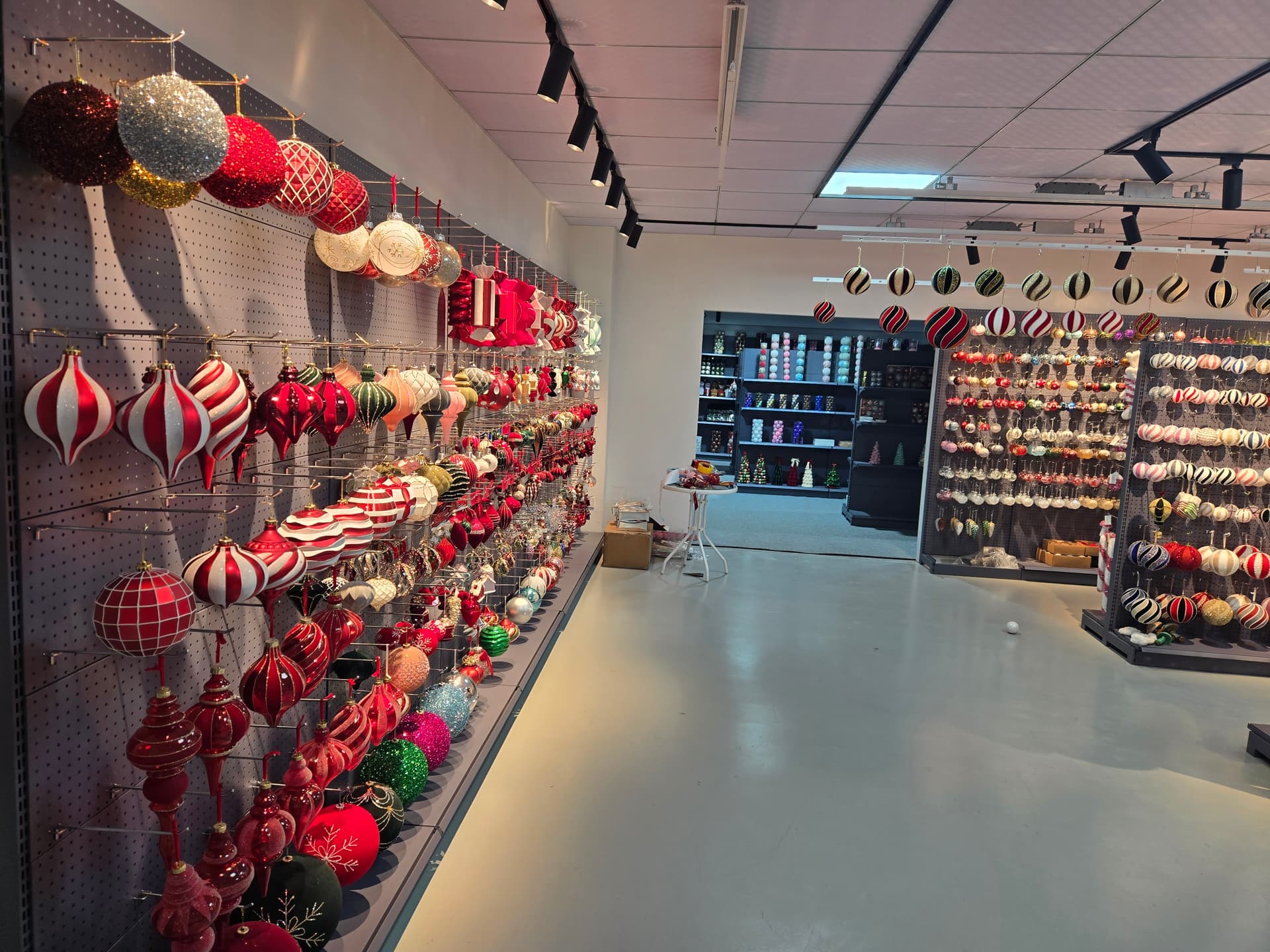
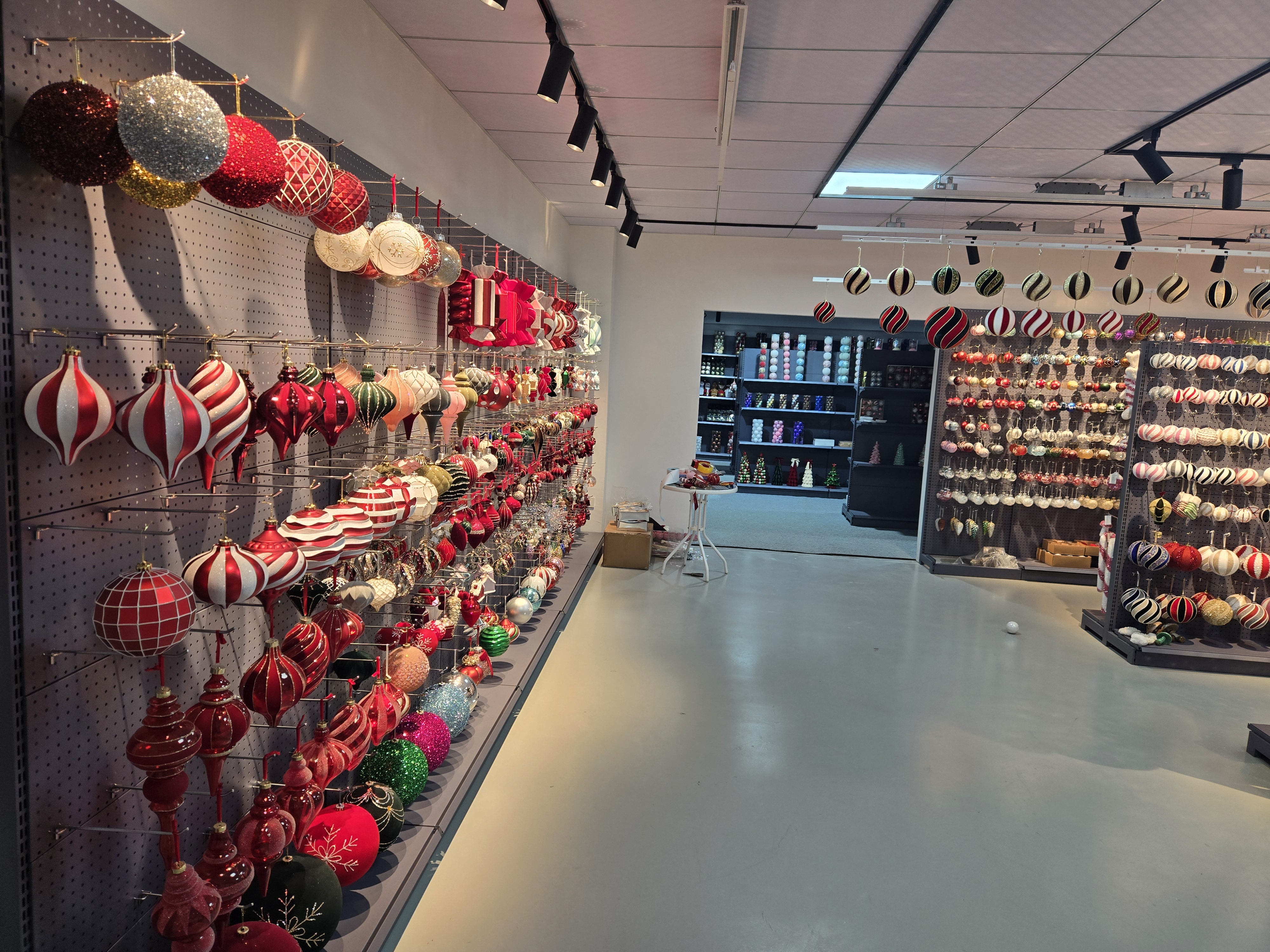
Christmas ornament factory showroom with wholesale display programs for US and EU buyers 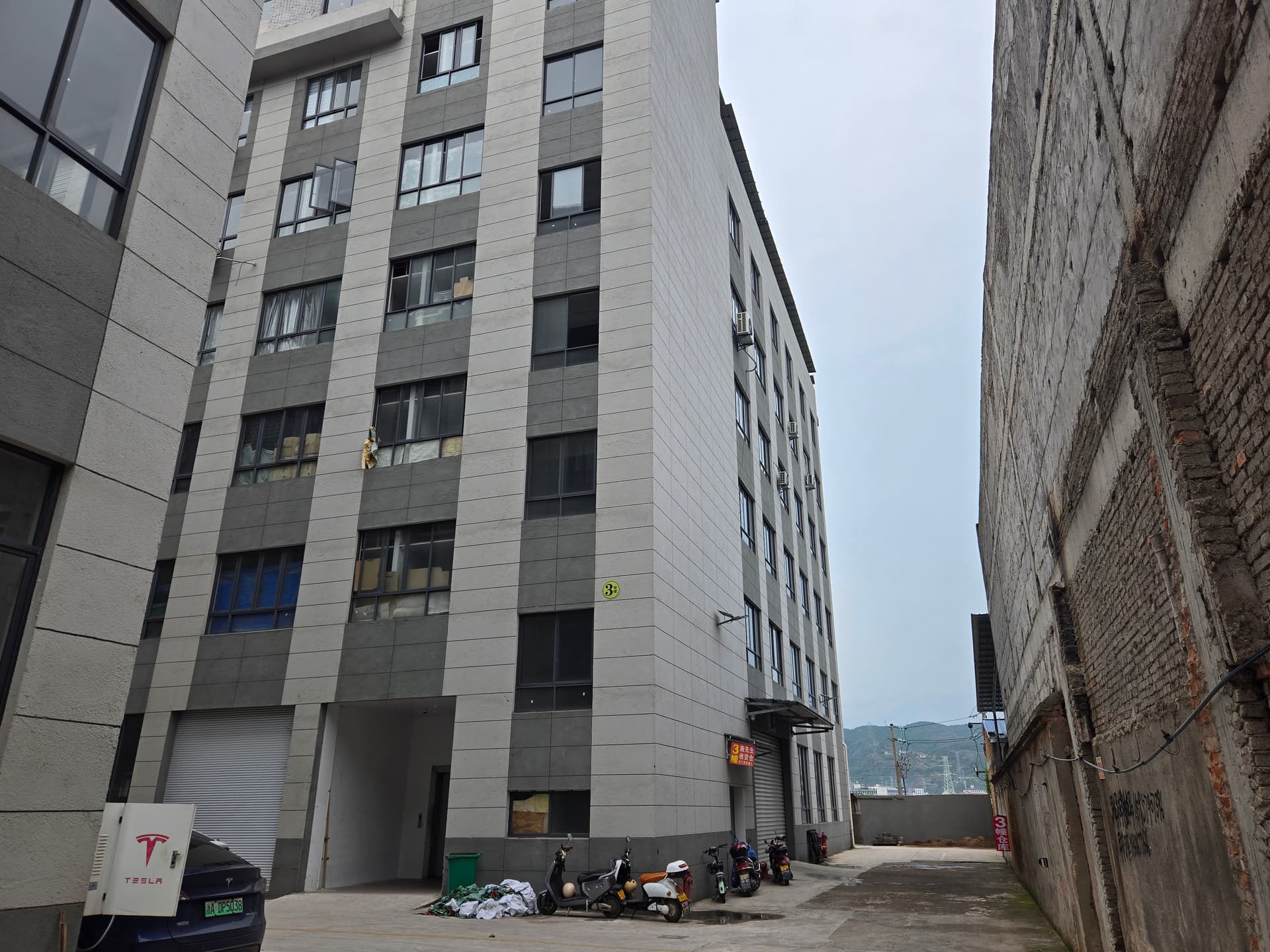
Shuanglin Crafts Christmas ornament factory building — manufacturing facility in China 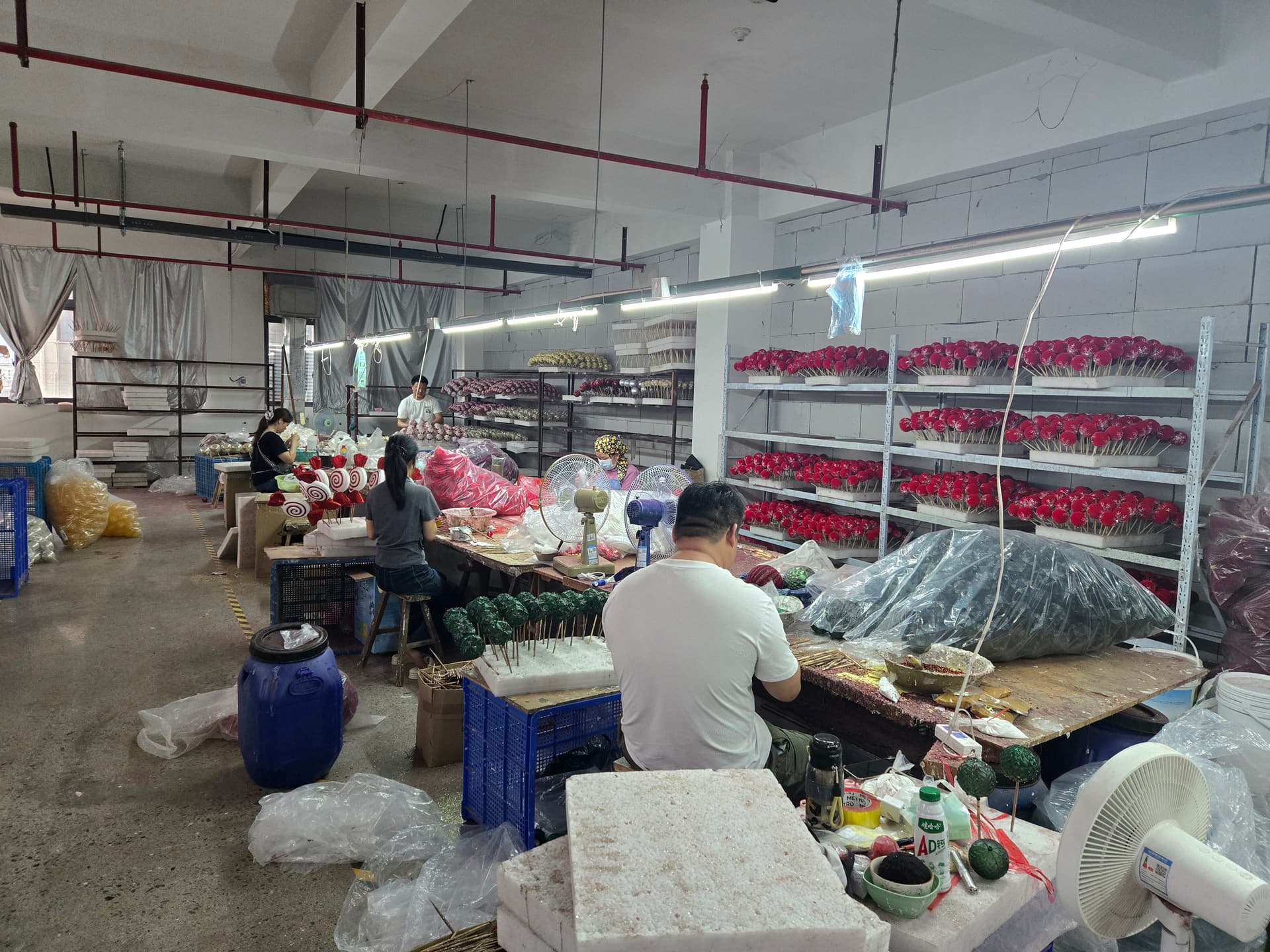
Christmas ornament production line and factory floor at Shuanglin Crafts 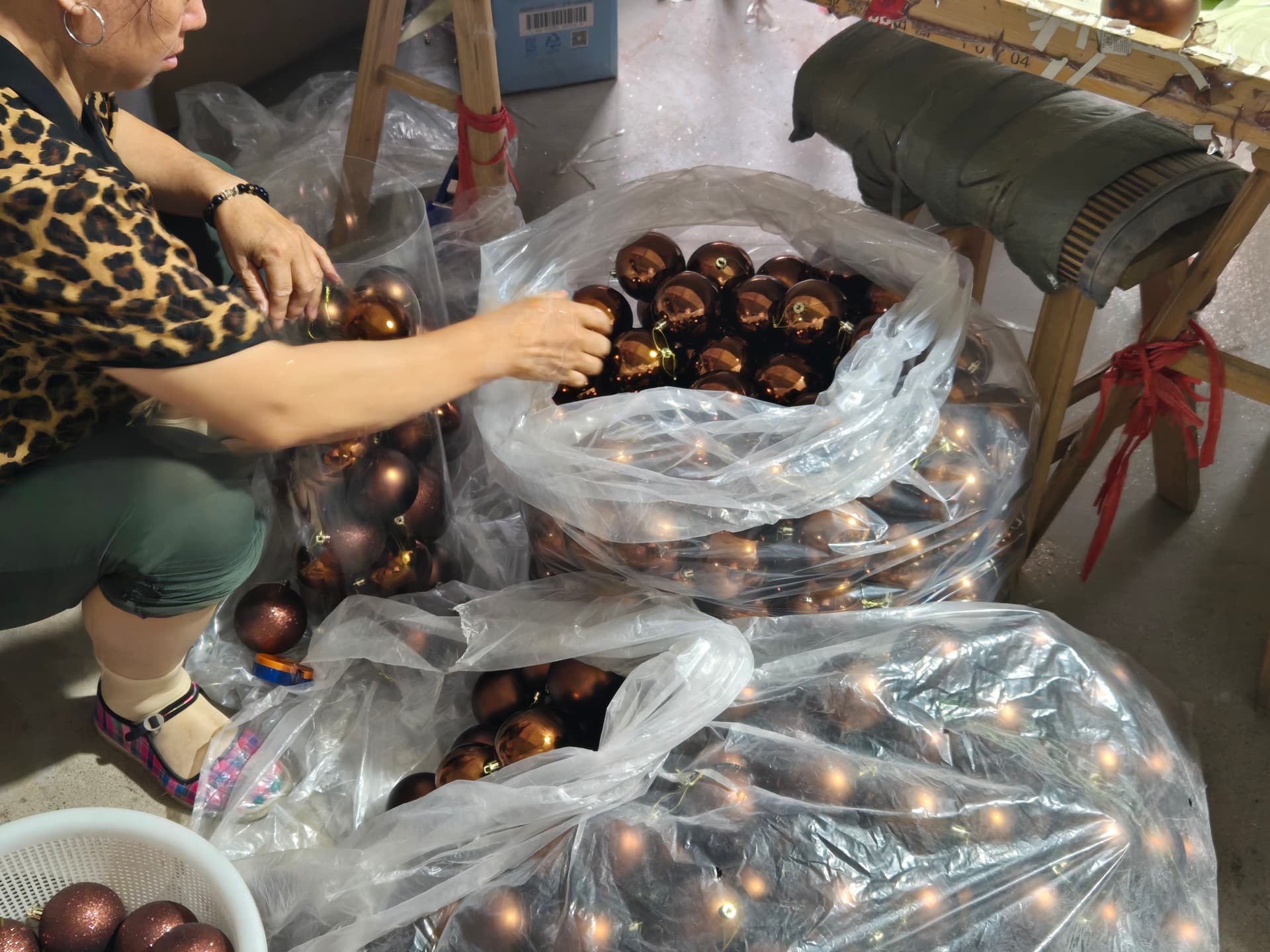
Christmas ornament finish and coating quality control inspection before inner pack 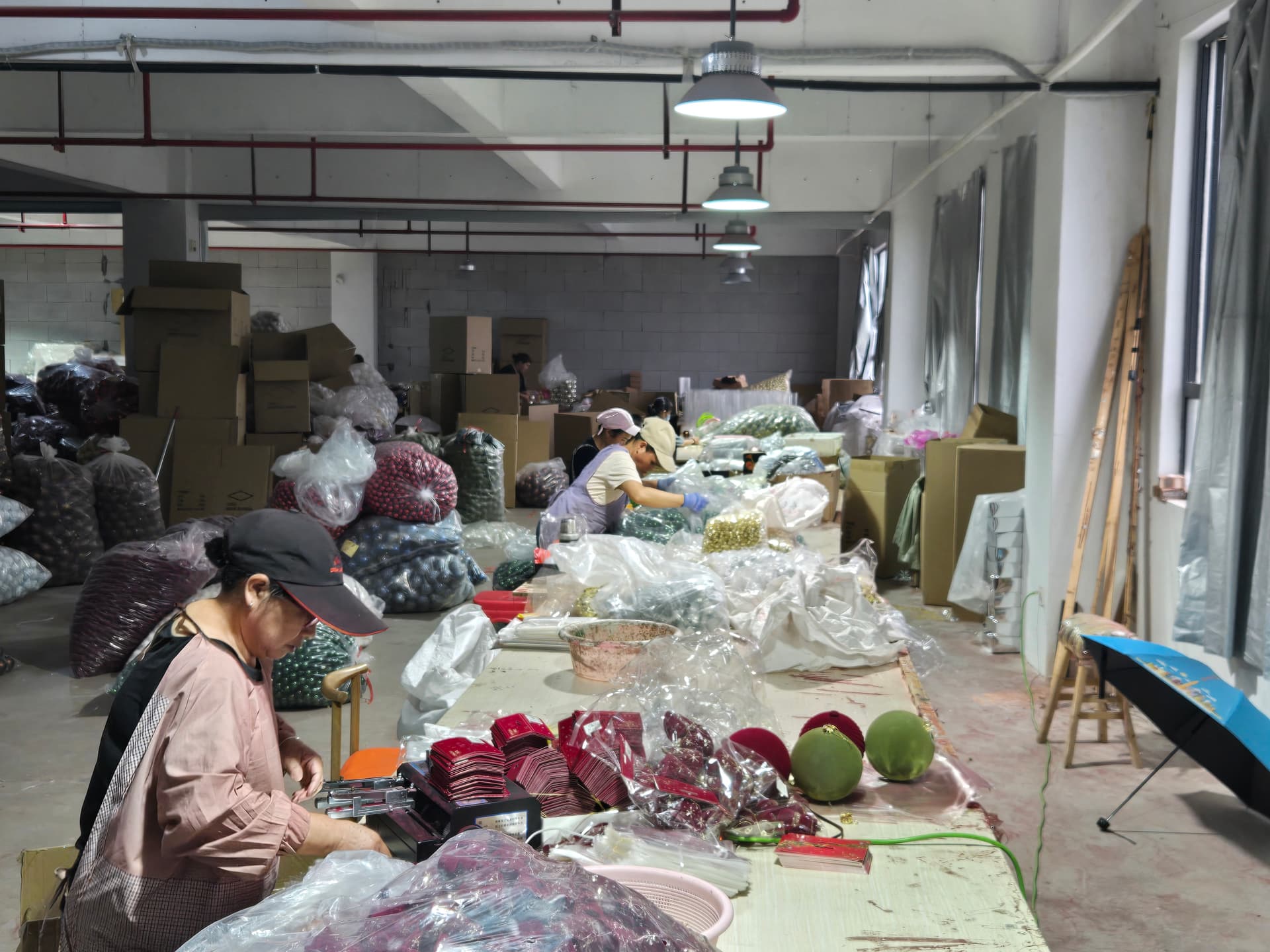
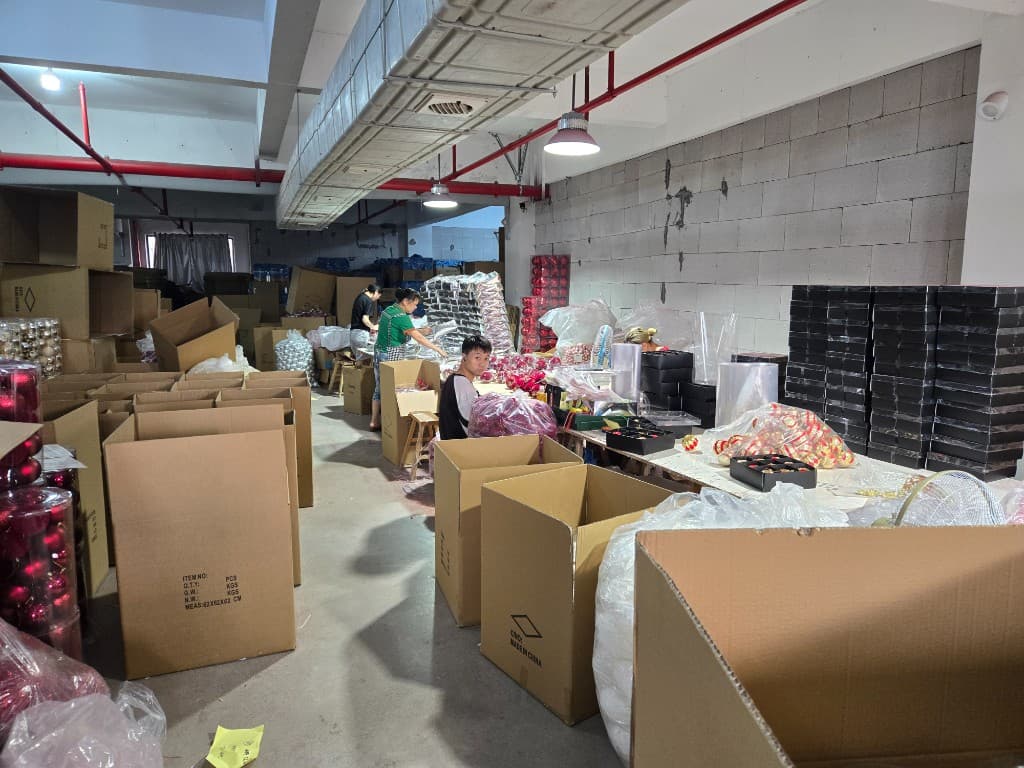
Christmas ornament factory workers at assembly and packing stations for social compliance audit review 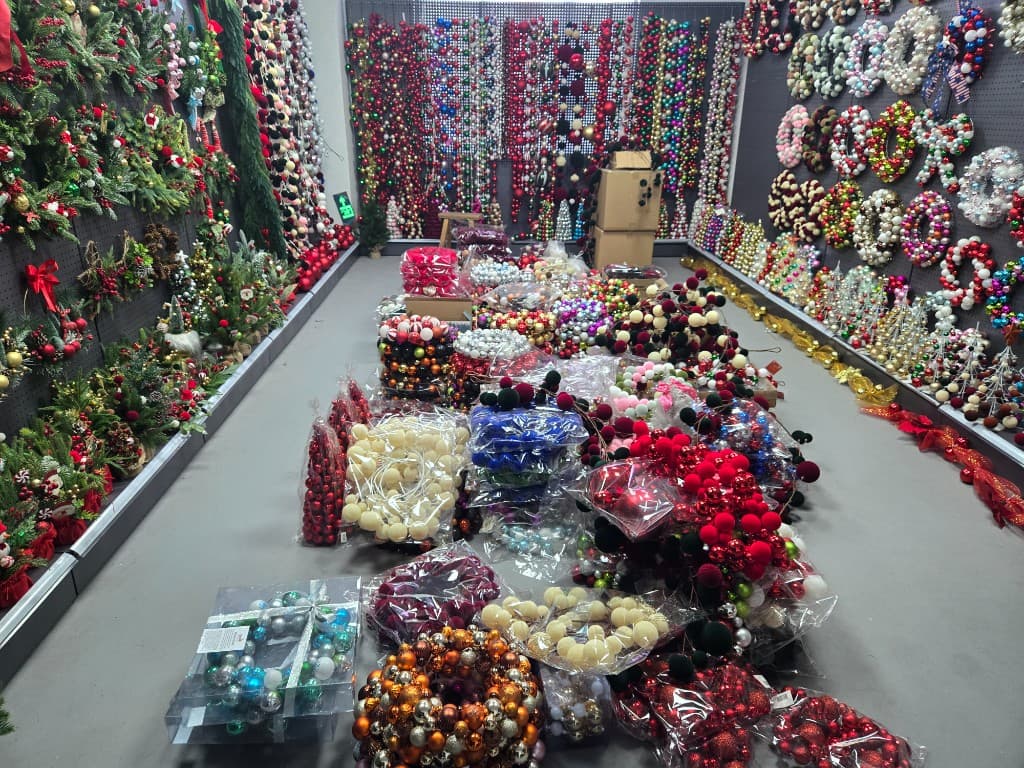
Christmas ornament OEM showroom with wreath, garland, and bauble programs staged for wholesale buyer review 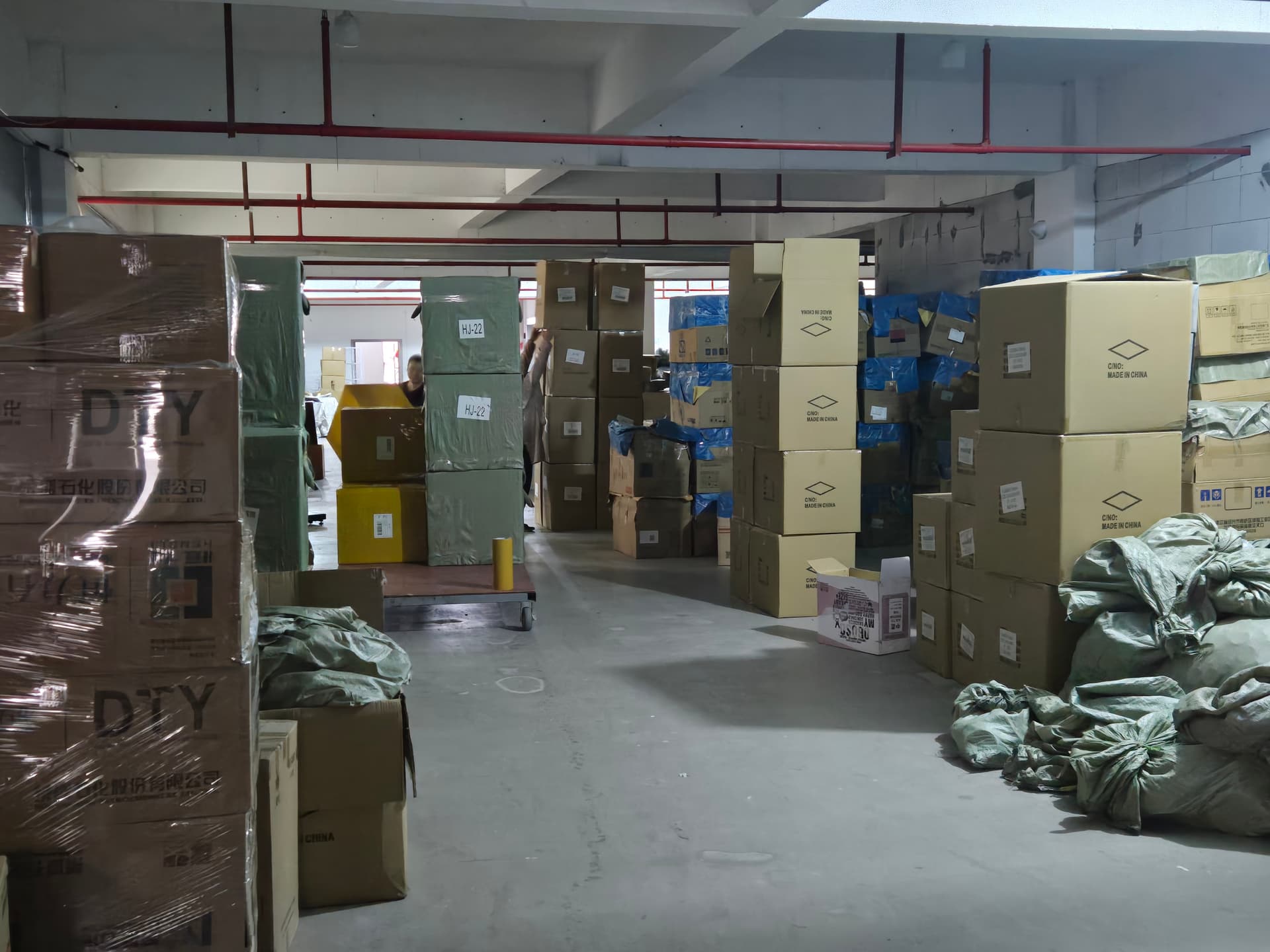
Export-ready Christmas ornament retail packaging and gift presentation
Why it matters
Why choosing the right Christmas ornament manufacturer matters
Seasonal ornament programs fail on undocumented assumptions—not on design ambition alone. The wrong supplier inflates landed cost through coating drift, crushed inner packs, vessel slips, and compliance gaps that surface after photography and planograms lock.
Wholesale buyers who treat manufacturer selection as a unit-FOB auction inherit markdown risk when bulk subtly drifts from approved pilots or when inner packs fail drop tests at distribution-center receiving. A ball-native factory coordinates glass heroes with shatterproof resin volume under one palette document—trading desks fragment QC criteria and vessel timing across subcontractors they never inspect.
The best Christmas ornament manufacturer for your channel documents batch travelers, coating lot trace, and export staging with SKU context—not showroom samples alone in foam trays that tell receiving teams little about ocean transit outcomes.
- Coating drift and inner-pack failure drive silent seasonal markdown
- Factory-direct reduces trader markup and QC discontinuity
- Documented gates protect photography and planogram calendars
- Wrong supplier choice compounds across repeat-season archives
Extend vetting with our wholesale Christmas ornament supplier checklist
Experience
Factory experience and Christmas ornament manufacturing depth
Evaluate years of spherical ornament production—not general décor brokerage. Christmas ball programs require humidity-aware staging, partition inners sized for fragile curves, and cap metallization discipline accumulated across trans-Pacific and European export seasons.
A experienced Christmas ornament manufacturer China partner shows repeat-season references when available, archived finish masters for faster turnaround, and coating bays paced for fragile glass alongside resin volume lines—not seasonal sideline production on unrelated product categories.
Import desks should confirm whether the factory runs ball-native lines exclusively or dilutes capacity across unrelated giftware that competes for craft labor during Q3 peaks. Experience shows in pilot-to-bulk comparison records and export discipline your forwarder recognizes on nominated lanes.
- Ball-native focus versus general décor trading
- Repeat-season master archives for faster sampling
- Export references for US and EU destination markets
- Coating and cap expertise across glass and resin platforms
Capacity
Production capacity for wholesale Christmas ornaments
Peak-season capacity is finite—honest factories reserve coating and packing bandwidth when finish counts and packaging tiers are confirmed at RFQ, not after planograms add micro-glitter heroes mid-season.
Score Christmas ornament factory candidates on documented daily output bands for your finish mix—not aggregate capacity claims without SKU linkage. Production capacity spans coating bays, craft stations for lustre and pearl exteriors, cap assembly cells, and packaging lines sized for FCL export volume.
Mixed seasonal programs that combine ornament, garland, and wreath SKUs under one brief need capacity conversations early—competing categories on the same campus can compress assembly windows when height ladders and finish families multiply after creative approval.
- Coating bay and craft-station bandwidth for finish complexity
- Cap assembly and inner-pack stations with QC hold points
- Honest Q2–Q3 peak-season capacity—not unlimited promises
- Mixed-category planning when programs share one export desk
OEM · ODM
OEM and ODM capability at a custom ornament factory
OEM Christmas ornaments require tooling ownership clarity, dieline revision windows, and signed finish masters before bulk print. ODM catalog platforms help wholesale buyers launch maiden-season walls quickly while reserving OEM heroes for private-label premium tiers.
Evaluate whether ODM SKUs share the same QC travelers and coating lot trace as OEM private-label lines—some factories treat catalog platforms as lower-discipline paths that drift at bulk. Custom ornament factory partners document milestone gates from program brief through pilot sampling, packaging sign-off, bulk coating, and FOB release.
Private-label buyers should confirm who owns cap metallization tooling, who formats QC packets for vendor portal upload, and whether bulk uses the same pigment sources as pilot lots. Skipping pilot approval is a frequent source of returns when bulk subtly drifts from the hero sample approved in a showroom.
- OEM retail boxes, caps, and branded sleeves at pilot gates
- ODM catalog platforms for faster wholesale rollout
- Tooling ownership documented before bulk authorization
- Same QC discipline on ODM and OEM SKUs when specified
Quality control
Quality control systems to require from suppliers
QC gates include finish comparison under controlled lighting, coating adhesion on glass and resin platforms, hang-balance across size ladders, inner-pack drop-fit validation, and pre-shipment inspection records formatted for your QA partner—not aggregate factory photos without batch linkage.
Structure hold points in your program brief so release authorization matches evidence distributors can defend at distribution-center QA review. Third-party inspection can witness pilot coating checks and pre-shipment inspection on qualified programs—coordinate AQL criteria per material platform at RFQ.
Glass heroes need clarity and adhesion gates; resin volume needs impact and hang-weight protocols. Mixed walls require per-SKU checklists at receiving—not one generic sheet copied from unrelated décor categories.
- Pilot-to-bulk finish comparison under D65-equivalent review
- Coating lot trace and cap torque validation before inner pack
- Material-specific AQL criteria for glass versus resin SKUs
- Pre-shipment records formatted for vendor portal upload
Certifications
Certifications and compliance evidence to request
Certifications map to your retailer’s language—BSCI-aligned social compliance, REACH substance documentation for EU doors, CPSIA context when USA programs classify ornaments as children's products, FSC chain-of-custody when cartons require forest certification—not one generic compliance PDF for an entire color wall.
Credible factories are explicit about scope when third-party certificates are pending—then show the workflow that satisfies the same buyer questions. Social compliance intersects quality: factories that compress craft labor without documented capacity plans create audit risk and coating drift when seasonal peaks overlap.
Request certification evidence at RFQ—not after bulk authorization when vendor portals reject incomplete packets and air-freight recovery destroys margin planned on FCL economics alone.
- BSCI / Sedex evidence when mass-market vendor manuals require it
- REACH and EN71 scope for EU programs where applicable
- CPSIA and tracking labels for USA children's product paths
- FSC packaging when chain-of-custody claims are specified
Sampling
Sampling process before bulk Christmas ornament production
Sampling is the gate that protects bulk: pilot lots should mirror production inner packs, cap metallization, and pigment sources planned for bulk—not foam-tray showroom samples that tell import desks little about distribution-center outcomes.
Typical sampling windows run ten to twenty-one days for glass pilots and twelve to sixteen days for resin, depending on finish complexity and cap families. Share target in-store date, size ladder, and packaging path in the first RFQ so the export desk scopes realistic sampling windows—not calendar guesses that ignore curing time for lustre bands.
Approve finish masters under controlled lighting before bulk coating windows open—especially on OEM programs where creative adds micro-glitter heroes after tooling starts. Archive pilot photos and coating lot IDs for repeat seasons so merchandising inherits the same checklist instead of restarting from catalog PDFs.
- Pilot lots mirror production inners and cap systems
- Finish boards signed before bulk coating authorization
- 10–21 day typical catalog sampling after brief lock
- Archived masters accelerate repeat-season turnaround
MOQ
MOQ when choosing a wholesale Christmas ornaments partner
Minimum order quantities reflect coating setup per finish family, cap metallization, inner-pack tooling, and full-container-load cube efficiency—structured transparently for finance review rather than hidden until planogram counts lock.
Glass finish families often start around three thousand to five thousand pieces per colorway; shatterproof resin club volume may scale at eight thousand to ten thousand plus per color. OEM custom programs and retail packaging tiers change lowest viable lots—confirm per program at RFQ with inner-pack assumptions documented.
Mixed full-container-load seasonal plans spread coating setup across colorways when set architecture is confirmed early—lowering effective per-color MOQ without air-freight recovery mid-season when a single finish misses vessel cutoff.
- Glass catalog: often 3,000–5,000 pcs / finish entry band
- Resin volume: 8,000–10,000+ pcs / color at club scale
- OEM custom: frequently from 3,000–5,000+ pcs after pilot
- Mixed FCL plans combine heroes and volume under one vessel
Lead time
Lead time expectations from Christmas ornament factories
Lead time depends on finish complexity, packaging tier, tooling scope, and vessel peaks—not a single calendar quote. New OEM custom programs may need ninety to one hundred twenty days to first vessel; repeat catalog platforms on approved specs may ship in forty-five to seventy-five days after sign-off.
Reverse-engineer from in-store date through DC receiving, ocean transit, export staging, bulk coating, and pilot sampling. North American and European Q4 peaks favor locking ornament sampling in Q1–Q2 when micro-glitter heroes need longer curing windows than matte volume lines.
Retail packaging upgrades—window boxes, tissue inserts, gift-set trays—add craft and packing labor that bulk egg-crate export skips. Lock packaging tier at sampling so lead-time quotes remain valid through seasonal allocation.
- Pilot sampling: ~10–21 days after brief lock for catalog finishes
- Bulk production often 45–75 days after approved finish masters
- New OEM tooling: often 90–120 days to first vessel
- Repeat-season masters: often 45–60 days after sign-off

Export experience
Export experience and FOB discipline
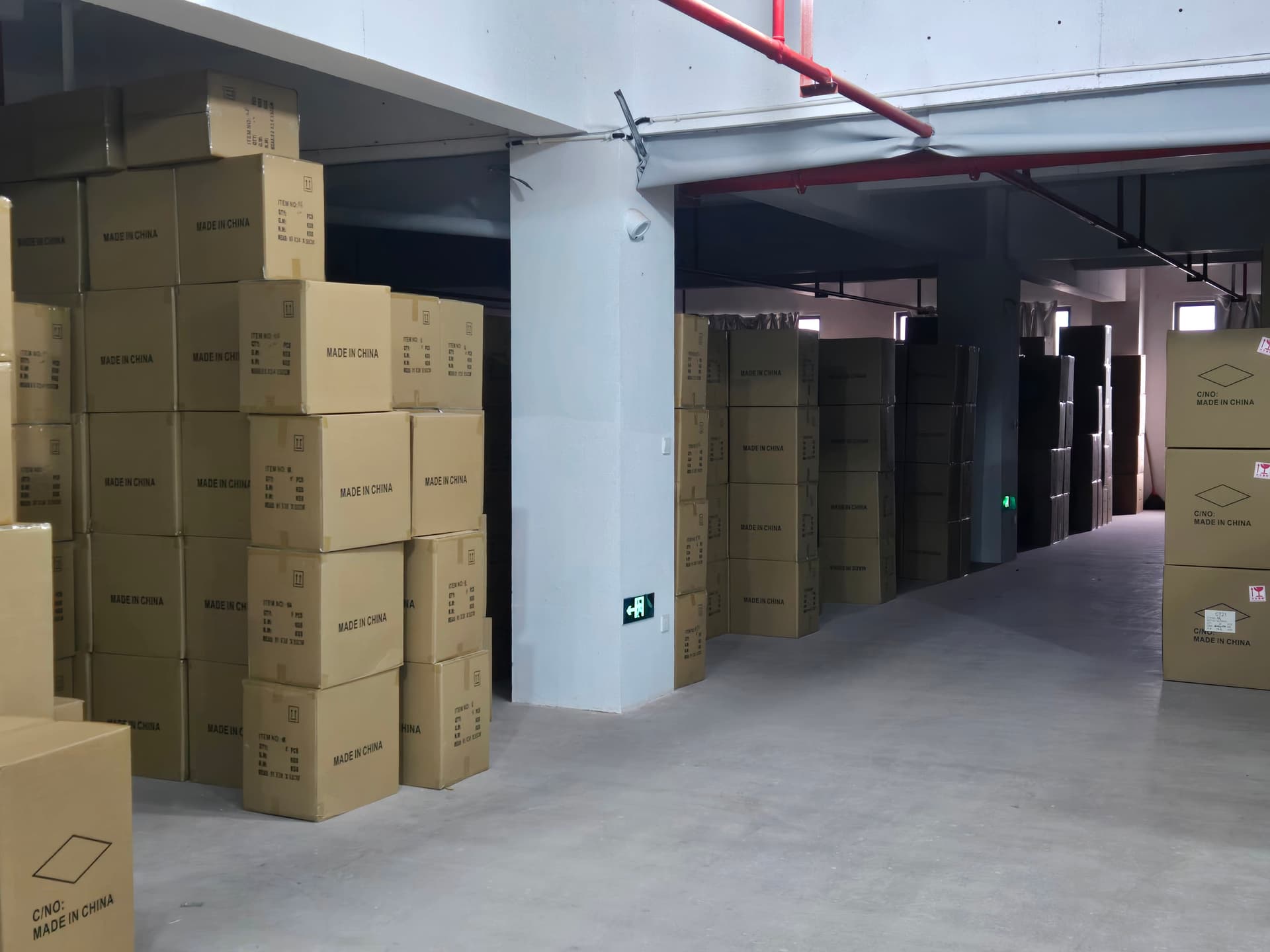
Export experience shows in commercial invoice accuracy, carton marks verified against packing lists, pallet staging photos forwarders expect, and prior-season references on trans-Pacific and European lanes—not first-time seasonal exporters learning FOB discipline on your purchase order.
FOB release ties master carton marks to invoice lines and forwarder scanning requirements before vessel departure. Import desks should confirm the factory formats QC packets for vendor portal upload and coordinates with nominated bookings—not assumes your broker will reconcile mismarked cartons at port.
Experienced Christmas ornament factory partners model split vessels only when coating windows confirm for both lots—partial shipments mid-season inflate landed cost when containers run under-filled.
- FOB release with invoice-aligned carton marks
- Pallet staging photos for forwarder coordination
- Prior-season export references when available
- Vendor portal QC packets structured before bulk release
Packaging
Packaging engineering in manufacturer evaluation
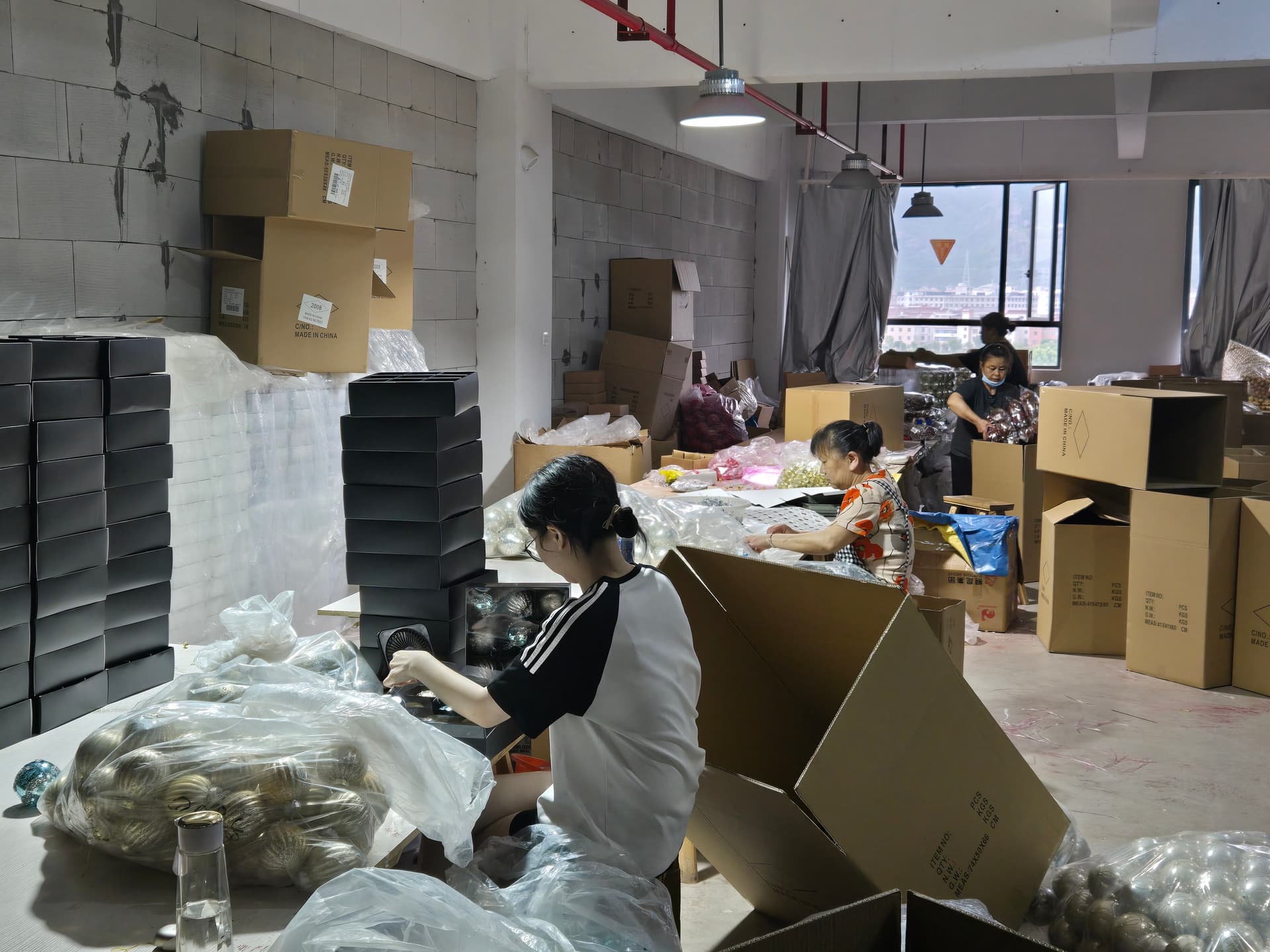
Partition inners, retail window boxes, gift-set trays, and corner-protected master cartons define distribution outcomes as much as coating quality—packaging engineering that starts at RFQ connects drop-test criteria, GS1-friendly marks, and FCL cube efficiency to receivable quotes.
Request drop-test photos at pilot when vendor manuals specify fixture-height drops or conveyor transfers. Retail-ready packaging at origin adds dieline MOQ and packing-station labor importers must model separately from ornament coating MOQ.
Export bulk for domestic repack uses egg-crate and cavity inners sized for fragile spheres—inner-pack failure causes silent damage and photography delays importers cannot recover mid-season.
- Partition inners validated for ocean transit and DC drops
- Retail boxes and branded sleeves proofed at pilot
- GS1-friendly marks aligned to invoice and scanning spec
- Packaging tier locked before MOQ quotes finalize
Shipping
Shipping methods when sourcing Christmas ornaments
Most wholesale programs ship FOB via full-container-load ocean freight—air freight reserved for pilot recovery or emergency top-ups that destroy margin planned on FCL economics alone. Compare Incoterms with your forwarder before RFQ so factory quotes reflect receivable release responsibility.
LCL and consolidated freight may suit maiden-season trials but rarely match FCL unit economics at wholesale scale. Share forwarder lane preferences and nominated port at RFQ so export staging aligns with booking cutoffs before seasonal labor peaks compress assembly windows.
CIF options can be scoped separately when freight is buyer-managed—document who owns insurance and risk transfer so disputes do not surface at port when seasonal labor is already committed to reset floors.
- FOB ocean FCL as default for wholesale ornament volume
- Air freight only for documented recovery—not default economics
- Booking cutoffs aligned to bulk coating completion windows
- Incoterms confirmed before factory quotes lock
Common mistakes
Common mistakes buyers make when choosing suppliers
The most expensive supplier mistakes happen before bulk authorization: choosing on unit FOB alone, skipping pilot inner-pack validation, locking planograms before sampling finishes, deferring compliance scope until port, and adding finish SKUs mid-season without coating capacity confirmation.
Merchandising teams that add retail box upgrades or micro-glitter heroes after creative approval often shift coating allocation and extend lead time—document finish families and packaging path at RFQ, not at pre-shipment when photography is already locked.
Importers who fragment programs across unrelated traders lose palette consistency, QC criteria, and vessel timing—markdown risk when bulk subtly drifts from approved pilots or when inner packs fail drop tests at receiving.
- Selecting on unit FOB without packaging and compliance scope
- Approving showroom samples not mirrored in production inners
- Adding SKUs mid-season without capacity confirmation
- Deferring vendor manual attachments until bulk print starts
- Fragmenting glass and resin across traders without palette control
Checklist
Christmas ornament manufacturer comparison checklist
Use this checklist when you email export desks or score vendor portals—every criterion ties factory behavior to distribution-center outcomes your import team must defend.
Weight checklist items by your channel: club volume emphasizes resin MOQ and drop-test records; specialty retail emphasizes lustre consistency and gift-box presentation; EU doors add REACH and multilingual labeling gates USA programs may skip.
Pair this checklist with factory photography requests tied to pilot SKUs—not aggregate campus tours without batch context. The best Christmas ornament manufacturer candidates return evidence structured for your QA partner before seasonal PO release.
- Campus and workshop photos tied to active production batches
- Glass and resin platforms under one roof with documented MOQ bands
- Pilot-to-bulk finish comparison under controlled lighting
- Inner-pack drop-fit photos at pilot for your DC handling spec
- Coating lot trace and cap torque validation before release
- BSCI / REACH / CPSIA scope aligned to destination market
- OEM tooling ownership and dieline approval gates documented
- FOB pallet photos and invoice-aligned carton marks
- Honest peak-season capacity for your finish count
- Export references or repeat-season master archives when available
Factory-direct inquiry
Request MOQ, sampling scope, and FOB quote
Export desk replies within one business day for how to choose a christmas ornament manufacturer programs.
Before you inquire
Common wholesale buyer questions
Are you a factory or a trading company?
We are a ball-native manufacturer—you work with our export desk and production planners directly, with batch travelers and coating lot trace on your SKUs.
Is MOQ too high for my first program?
MOQ bands depend on material and finish—glass often starts around 3,000–5,000 per color; resin volume from ~8,000. Share your ladder and packaging tier and we map lowest viable lots.
Can I verify quality before a large order?
Yes—pilot lots use production-intent inner packs so drop tests and finish approval reflect bulk, not showroom-only samples. PSI or buyer QA witness at pilot on request.
How fast can you quote and sample?
Qualified RFQs receive a reply within one business day. Glass pilots often run 10–21 days after brief approval; resin 12–16 days.
What payment milestones apply?
Typical structure (confirmed on PO): 30% deposit at order confirmation; 40% at pilot or packaging approval; 30% balance before FOB release. OEM tooling may require a separate deposit.
Why shouldn't I choose the lowest FOB quote?
Lowest unit FOB often hides partition downgrades or missing batch travelers. Landed cost and DC receiving depend on inner-pack evidence and coating lot trace—not headline price alone.
More answers on our wholesale buyer FAQ and factory capability tour—or request a factory quote.
Manufacturer evaluation
Request a Christmas ornament manufacturer quote
Share your assortment ladder, destination market, compliance scope, packaging tier, and target in-store date. Our export desk replies with MOQ bands, sampling scope, and factory capability evidence—usually within 24 hours.
Factory-direct export desk · Typical reply within 24 hours · No trader markup
Loading form…
Buyer questions
Frequently asked questions
How do I choose the best Christmas ornament manufacturer?
Score factory-direct candidates on ball-native capability, pilot-to-bulk QC evidence, documented MOQ bands, export discipline, and compliance scope for your destination market—not unit FOB alone. Request batch travelers and inner-pack photos tied to pilot SKUs before bulk authorization.
What should I look for in a Christmas ornament factory in China?
Look for glass and resin lines under one roof, coating QC with controlled-lighting comparison, cap assembly discipline, export staging with pallet photos, and honest peak-season capacity conversations—not traders who cannot name the line running your SKUs.
How important is OEM capability when choosing a supplier?
Critical for private-label and custom programs. Confirm tooling ownership, dieline approval gates, and whether bulk coating uses the same pigment sources as pilot lots. ODM catalog paths should share QC travelers with OEM lines when quality parity matters.
What certifications should I request from ornament manufacturers?
Request evidence aligned to your market: BSCI or Sedex for social compliance, REACH for EU substance documentation, CPSIA when USA children's product classification applies, FSC when packaging claims require chain-of-custody—scoped per SKU, not generic factory statements.
What MOQ is typical for wholesale Christmas ornaments?
Glass finishes often start around 3,000–5,000 pieces per colorway; shatterproof resin volume may run 8,000–10,000+ per color. OEM custom and retail packaging tiers change lowest viable lots—confirm at RFQ with inner-pack assumptions documented.
How long is lead time from a Christmas ornament manufacturer?
Pilot sampling often runs 10–21 days for catalog finishes. Bulk production typically ships in 45–75 days after approved masters; new OEM tooling may require 90–120 days to first vessel.
What are common mistakes when choosing an ornament supplier?
Choosing on unit FOB alone, skipping production inner-pack validation at pilot, adding finish SKUs mid-season without capacity confirmation, deferring compliance until port, and fragmenting glass and resin across unrelated traders without palette control.
Should I visit the factory or rely on virtual verification?
Virtual line tours and structured pilot lots can replace first visits when evidence is formatted for your QA partner—continuous production photography with batch context, export staging references, and third-party inspection on qualified programs when vendor manuals require it.
How does packaging factor into manufacturer selection?
Packaging engineering defines DC outcomes as much as coating quality. Evaluate partition inners, retail dieline MOQ, drop-test records at pilot, and GS1-friendly carton marks aligned to your invoice spec before seasonal allocation locks.
Where can I compare Shuanglin against this checklist?
Tour our factory page, Christmas ornament manufacturer hub, OEM development process, and wholesale manufacturers page—then submit an RFQ with your in-store date, finish ladder, and compliance attachments for a documented capability response.
Start your how to choose a christmas ornament manufacturer program
Share assortment, packaging, and vessel dates—our export desk responds with sampling scope and factory lead times.
Related wholesale collections
Explore
Related pages for wholesale buyers
Wholesale product collections
- Wholesale product catalog
- Christmas ball ornaments
- Luxury Christmas ornaments
- Plastic Christmas ornaments
- Glass Christmas Ball Manufacturer — Wholesale Supplier
- Plastic Christmas Ornaments Wholesale | Resin Ball Specs & MOQ
- Luxury Christmas Decorations Supplier — Wholesale
- OEM Christmas Ornaments Manufacturer
OEM & factory
- OEM Christmas ornament manufacturer
- OEM Christmas ornaments catalog
- Start OEM inquiry
- Christmas Ornament Manufacturer
- Christmas ball factory tour
- Christmas ball factory in China
- Christmas ornament supplier
- Wholesale Christmas ornaments
- Glass Christmas ornaments
- Wholesale Christmas ornaments manufacturers
- Christmas ornament distributor programs
- Custom Christmas ornaments wholesale
- Christmas garland manufacturer
- Christmas wreath manufacturer
- Artificial Christmas tree manufacturer
- EU Christmas ornament manufacturer
- Import Christmas ornaments from China
- How to choose a Christmas ornament manufacturer
- Christmas decoration manufacturer
- Custom Christmas ornaments
- Private label Christmas ornaments