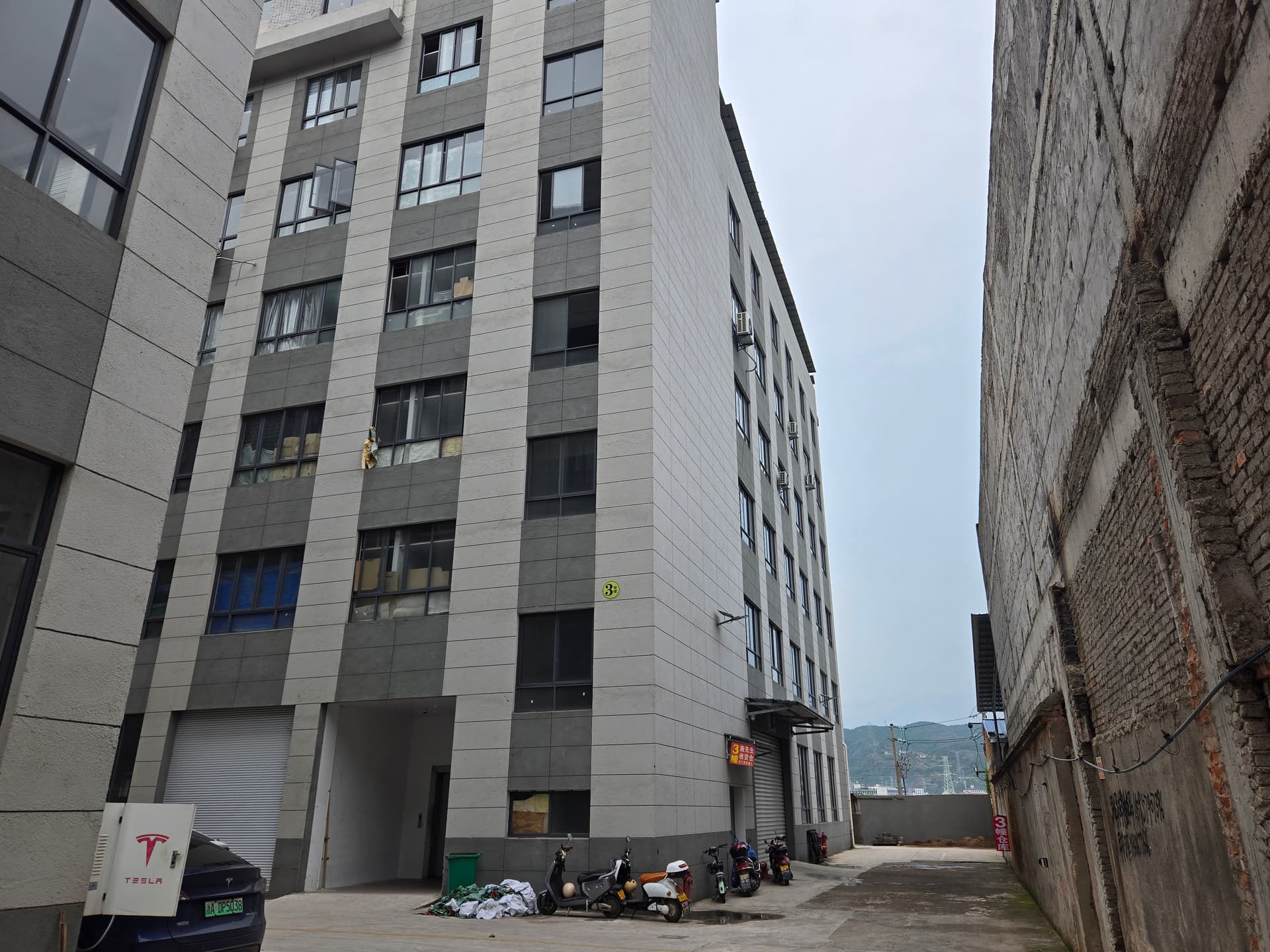
US and EU wholesale buyers, import desks, and private-label merchandising teams all ask the same question before Q4 allocation: how do you separate a dependable supplier from a catalog trader when every shortlist sends similar PDF packs and MOQ tables? Reliability shows up in coating lot traceability, cap torque records, inner-pack drop fit, and export carton discipline—not in showroom samples alone. how to choose a Christmas ornament manufacturer · Christmas ball ornaments · Christmas ornament factory China · luxury Christmas ornaments · OEM development process · custom Christmas ball manufacturer · Christmas ornament manufacturer · wholesale Christmas ornaments · wholesale Christmas ornaments manufacturers · Christmas ornament importer USA supplier comparison
A dependable partner documents production gates, scopes wholesale and custom programs honestly, and ships repeatable volume to North America and Europe with QC evidence your vendor portal accepts. This guide is written for B2B importers shortlisting China-based ornament factories—not for lifestyle décor browsing.
Use the framework below before sampling spend escalates. As you qualify suppliers, review ball ornament ranges, factory capabilities, premium finish tiers, OEM development paths, and custom tooling programs alongside the evidence each candidate provides.
Check Manufacturing Experience
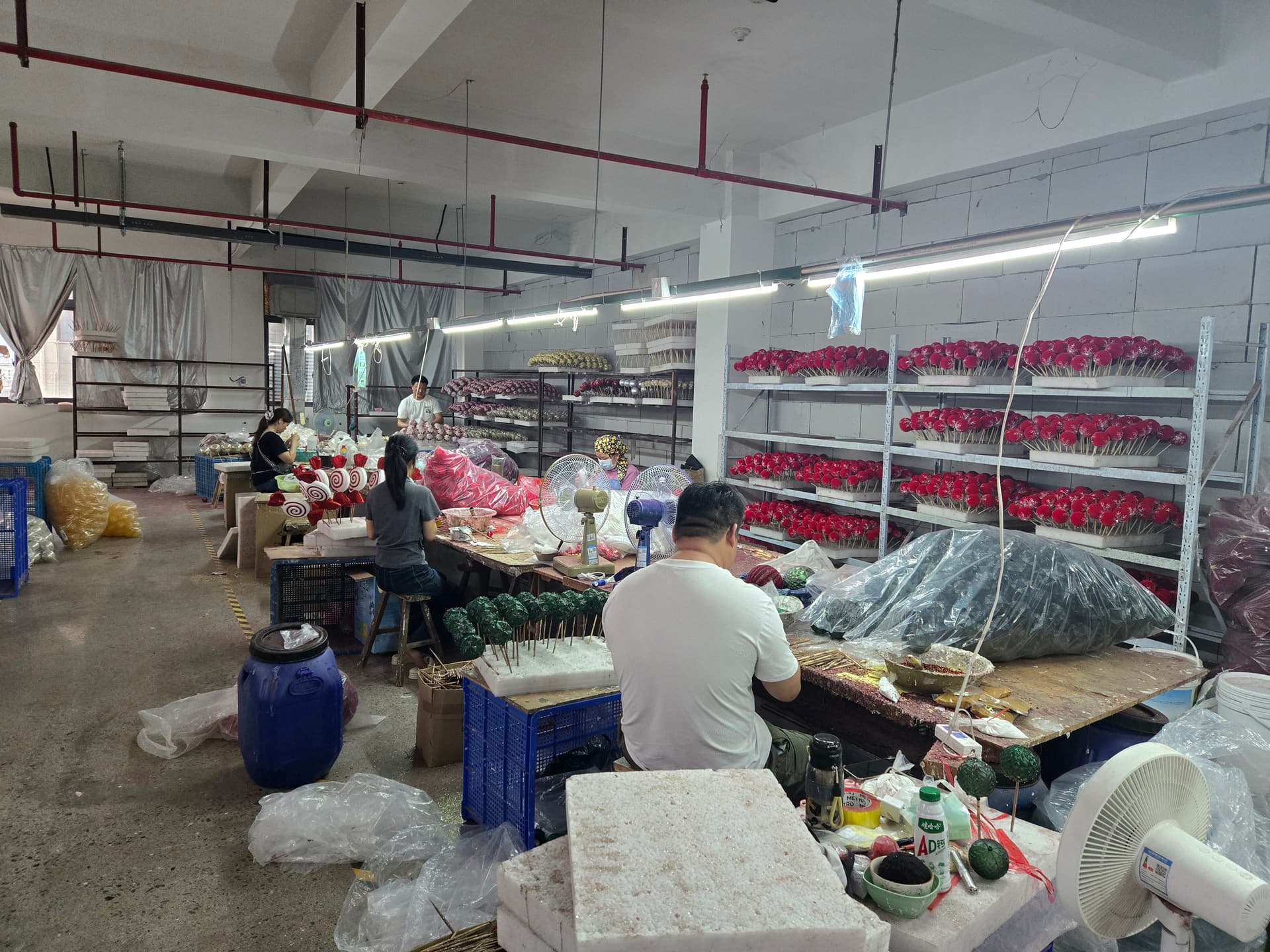
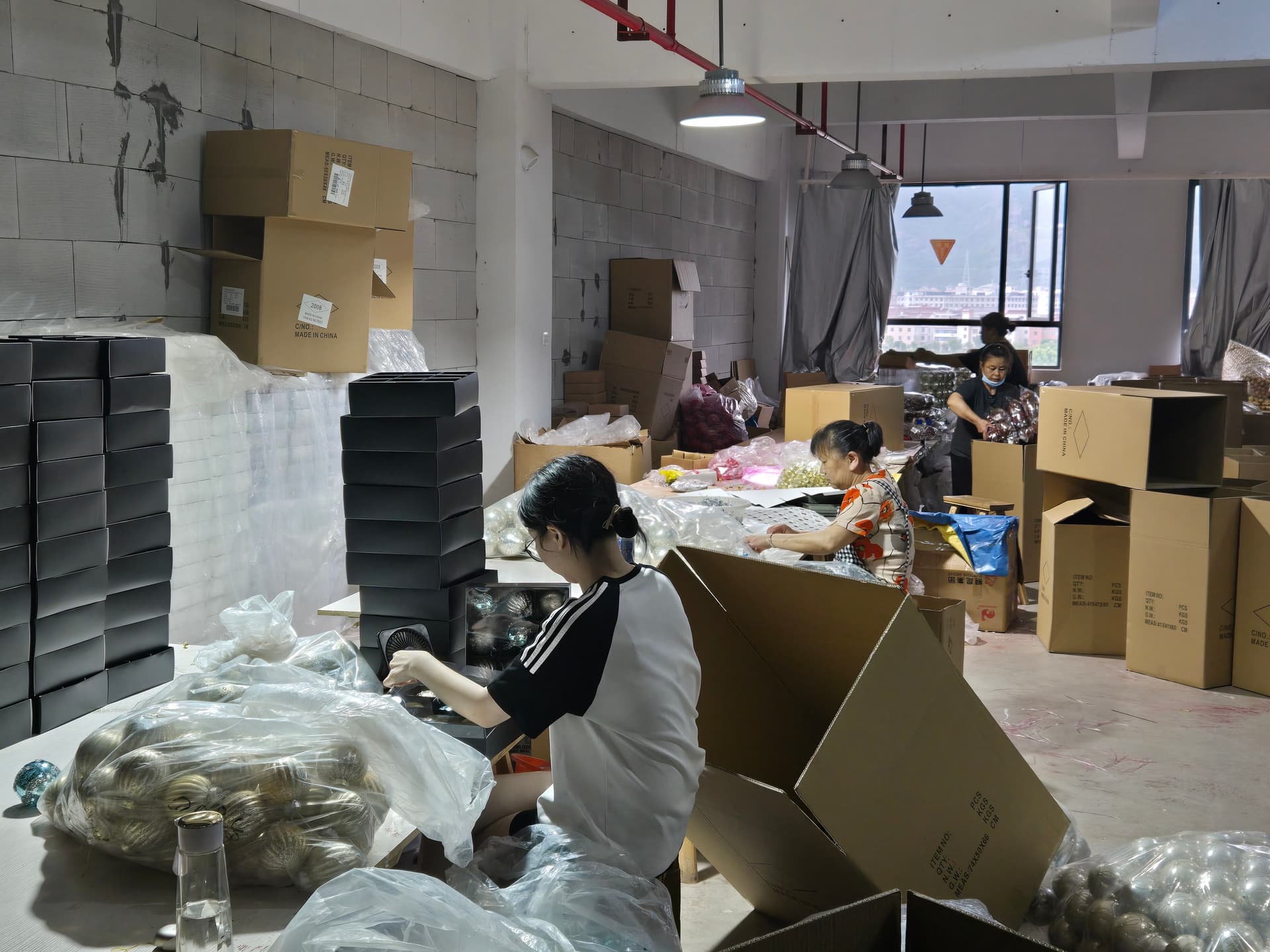
Manufacturing experience is measured in seasons shipped—not years on a business card. A credible factory runs ball-native forming or resin coating bays, cap assembly, hand-finishing stations for premium SKUs, and export staging aligned to FCL programs. General décor traders may list ornaments in a catalog without line control, coating lot trace, or hang-balance documentation at scale. Christmas ornament factory China · Christmas ornament manufacturer · wholesale Christmas ornaments manufacturers
Ask how many North American and European wholesale programs the factory ran in the last two seasons. Request pilot-to-bulk photos from similar finish families, export references for your import lane, and evidence that coating bays were reserved—not oversold across unrelated clients at peak. Your factory partner should explain hold-and-review protocol before bulk coating opens.
Experience also means repeat-season archives: signed finish masters, inner-pack IDs, and batch travelers that let year-two programs restart without new tooling surprises. If a supplier cannot share production context from recent seasons, treat showroom samples as marketing—not qualification evidence.
Manufacturing experience signals to verify
- Ball-native production lines for glass and/or resin—not ornaments brokered through unnamed partners
- Documented seasons shipping wholesale Christmas ornaments to US or EU distribution centers
- Pilot-to-bulk records with coating lot IDs tied to master carton labels
- Hand-finishing and craft-station capacity for lustre, flock, or premium detail SKUs
- Export staging discipline with FOB release references for your forwarder and vessel lane
Review Product Quality Standards
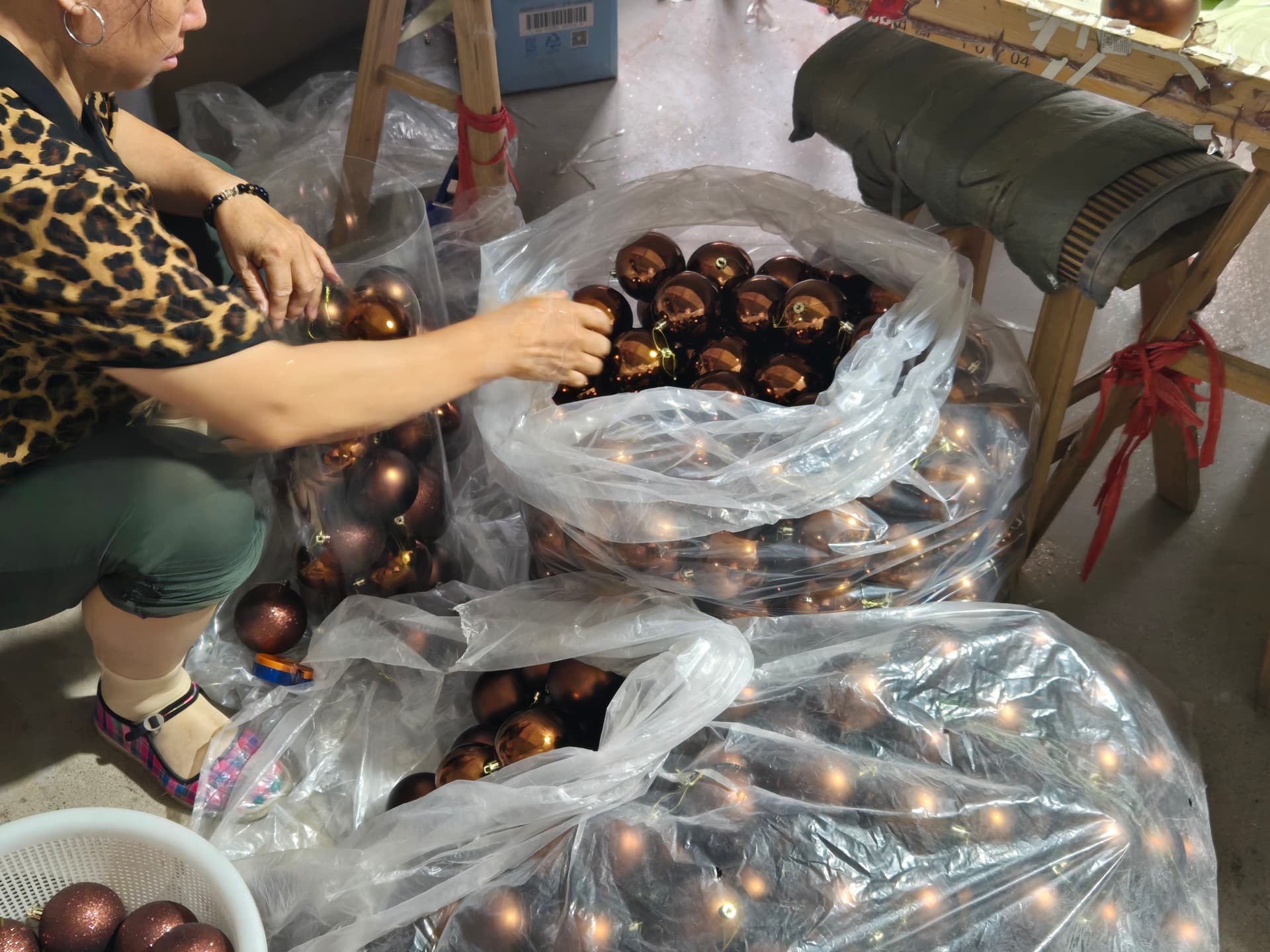
Glass ornament finish families, clarity QC, and export specifications are documented on our glass Christmas ornaments
Quality control is not a generic factory certificate. Reliable suppliers provide batch travelers with coating lot IDs, cap torque records, inner-pack drop-fit photos, and AQL sampling aligned to your distribution-center spec or agreed ISTA baseline—not internal tests with no witness. Private-label accounts increasingly require structured QC packets uploaded to vendor portals before payment release.
Glass programs need clarity checks, coating adhesion review, and hang-balance verification. Resin lines add impact and UV-coat tests when vendor manuals require them. Mixed-material walls need material declared per SKU so inspectors apply glass fragility criteria to heroes and impact protocols to shatterproof volume—not one checklist copied from flat décor categories.
Drop-test results should reference your fixture height or third-party QA partner requirements. Seasonal claims frequently involve coating scuff, cap loosening, or partition shift—not always outright breakage visible at receiving. A factory that dismisses distribution-center photos without coating lot investigation is a poor partner for repeat programs.
QC documents US and EU importers should require
- Signed finish masters archived with master IDs and controlled-lighting comparison photos
- Pilot-to-bulk approval using the same pigment sources planned for bulk production
- Batch travelers tying coating lots to master carton labels and commercial invoice lines
- Pre-shipment inspection evidence when vendor manual requires witness or third-party QA
- Corrective action protocol for coating drift, cap defects, or carton mark mismatches
Evaluate OEM & Customization Capability
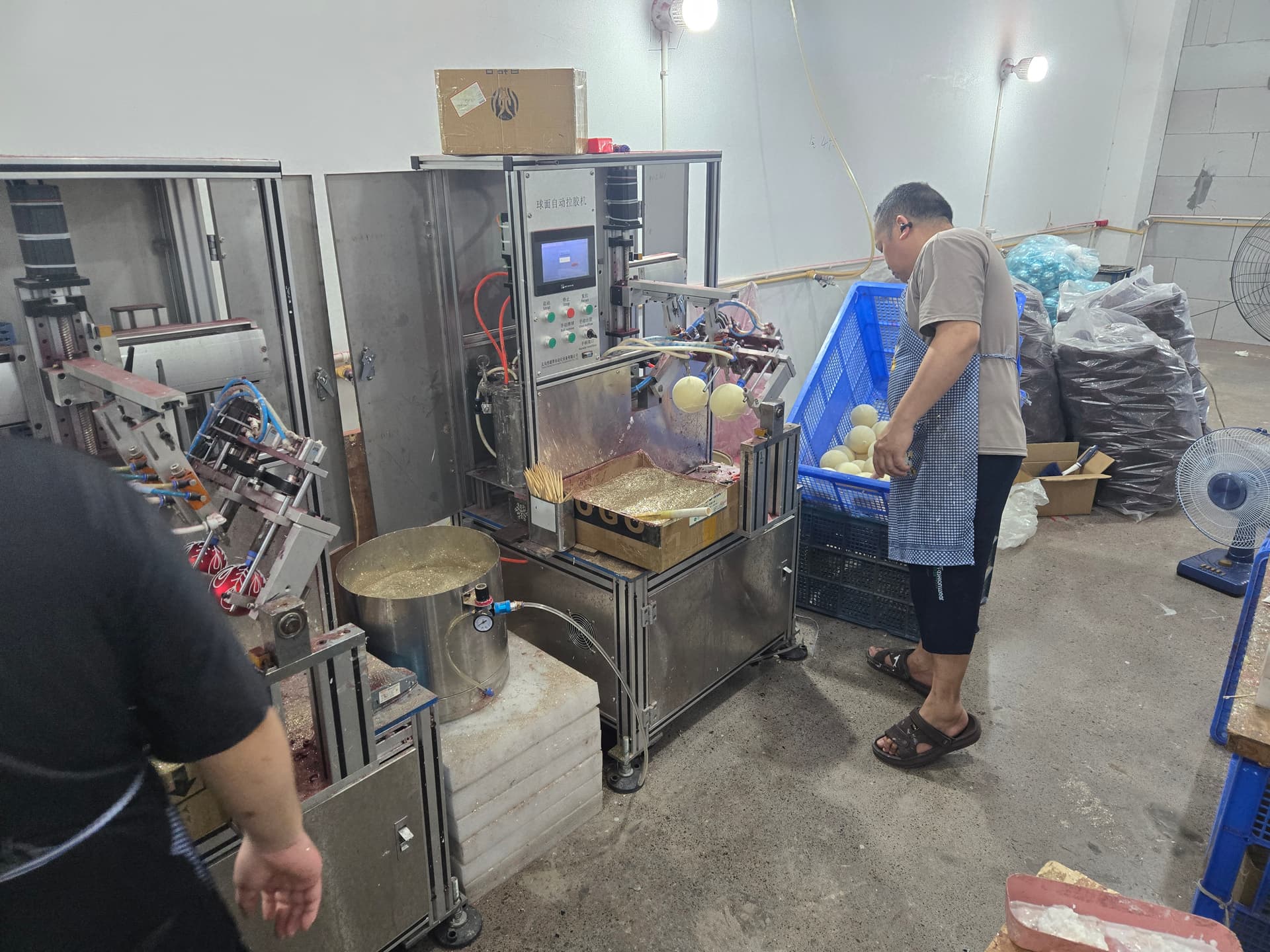
Custom programs require capability beyond catalog color swaps: proprietary shapes, cap branding, retail dielines, mixed-material color walls, and gift-set architecture coordinated across SKUs. Confirm which customization tiers the factory owns—tooling, packaging engineering, Pantone color matching, and OEM program development—versus tasks outsourced without visibility. OEM development process · custom Christmas ball manufacturer · luxury Christmas ornaments
OEM and private-label work embed customization into tooling, sampling, and repeat-season archives—not only logo placement on a catalog SKU. Confirm cap tooling ownership, retail dieline revision windows, and pilot-to-bulk comparison protocol before creative locks photography. New shapes and proprietary hang geometry often need twenty-five to thirty-five days for strike samples before bulk windows open.
Successful importers often combine OEM hero SKUs with wholesale volume walls under one signed palette document. Your supplier must confirm that glass and resin SKUs share pigment sources where merchandising expects fixture consistency—and that material-specific QC criteria apply per SKU.
OEM and customization services to confirm at RFQ
- Custom molds, cap branding, and hanger geometry for private-label programs
- Pantone color matching and archived finish masters for repeat seasons
- Retail dielines, window boxes, and multilingual packaging for EU doors
- Mixed glass-and-resin color walls governed by one palette document
- Gift-set architecture with coordinated MOQ across SKUs
Assess Production Capacity
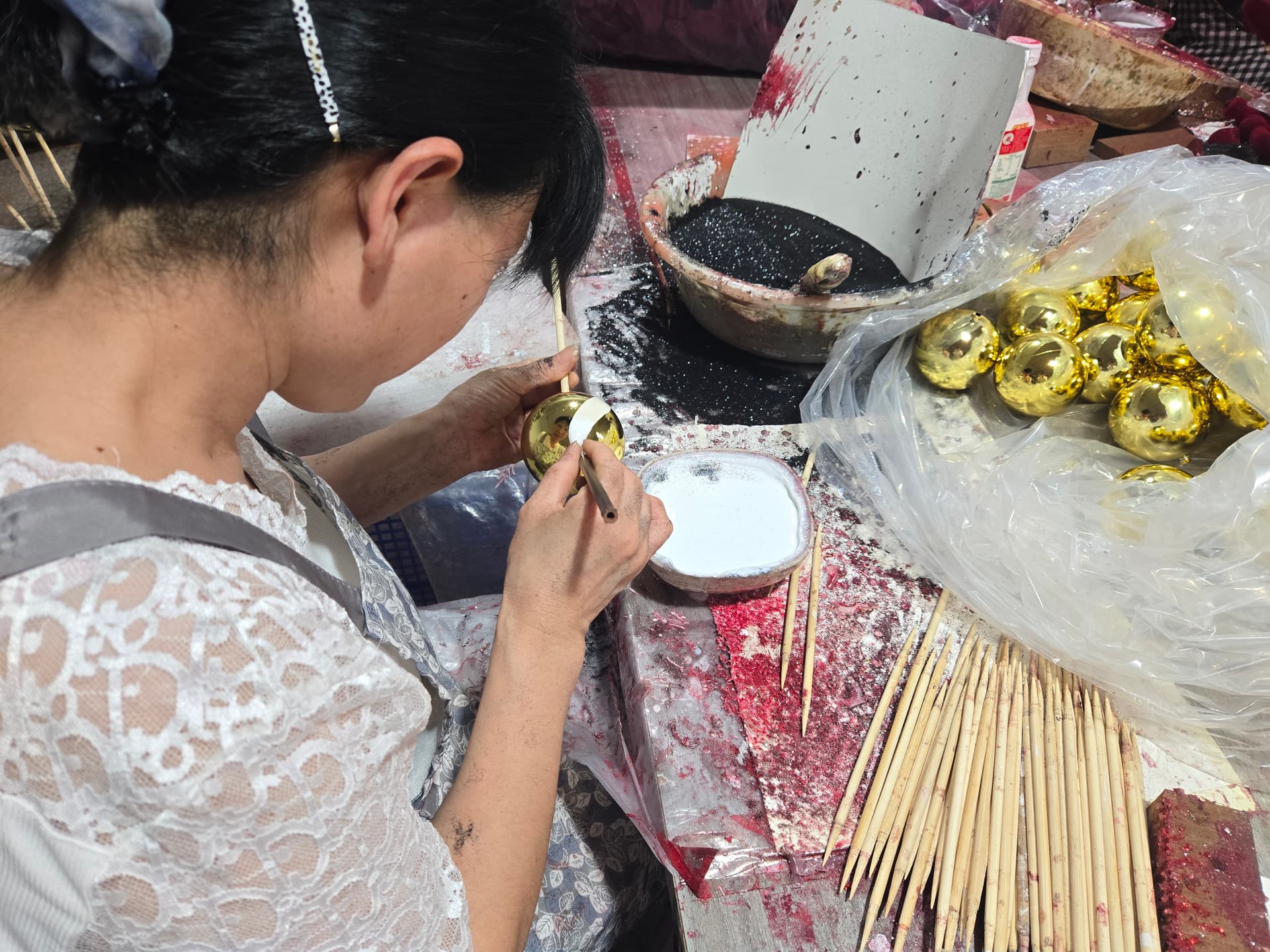
Production capacity without honest calendar context misleads buyers. A supplier may quote attractive MOQ while lacking coating bay availability during peak season—or accept PO volume that compresses curing windows and increases finish drift risk. Glass finish programs often start around three thousand to five thousand pieces per colorway; resin shatterproof club lines may scale at eight thousand to ten thousand pieces per color for FCL efficiency.
Map capacity to your color-wall plan, set counts, and packaging tier before seasonal allocation locks. Strong factories name constraints proactively: line changeovers between finish families, curing time for sensitive metallics, and pallet staging windows before forwarder cutoffs. They share coating lot change notifications before bulk runs—not after distribution-center complaints.
Share set-count architecture—six, eight, twelve, twenty-four count—and inner-pack assumptions when asking for MOQ. Under-filled containers inflate landed cost even when unit FOB looks attractive. Request a reverse-engineered timeline from in-store date through distribution-center receiving so the factory names realistic gates.
Capacity gates to align before PO release
- Bulk coating window reserved on named lines with coating lot change notifications
- Parallel finish families scoped honestly against peak Q2–Q3 seasonal demand
- Hand-finishing labor allocated for craft-heavy luxury or gift-set SKUs
- Export staging bandwidth confirmed before vessel nomination and forwarder cutoff
- Pilot sampling complete with signed finish masters under controlled lighting
Verify Factory Certifications & Compliance
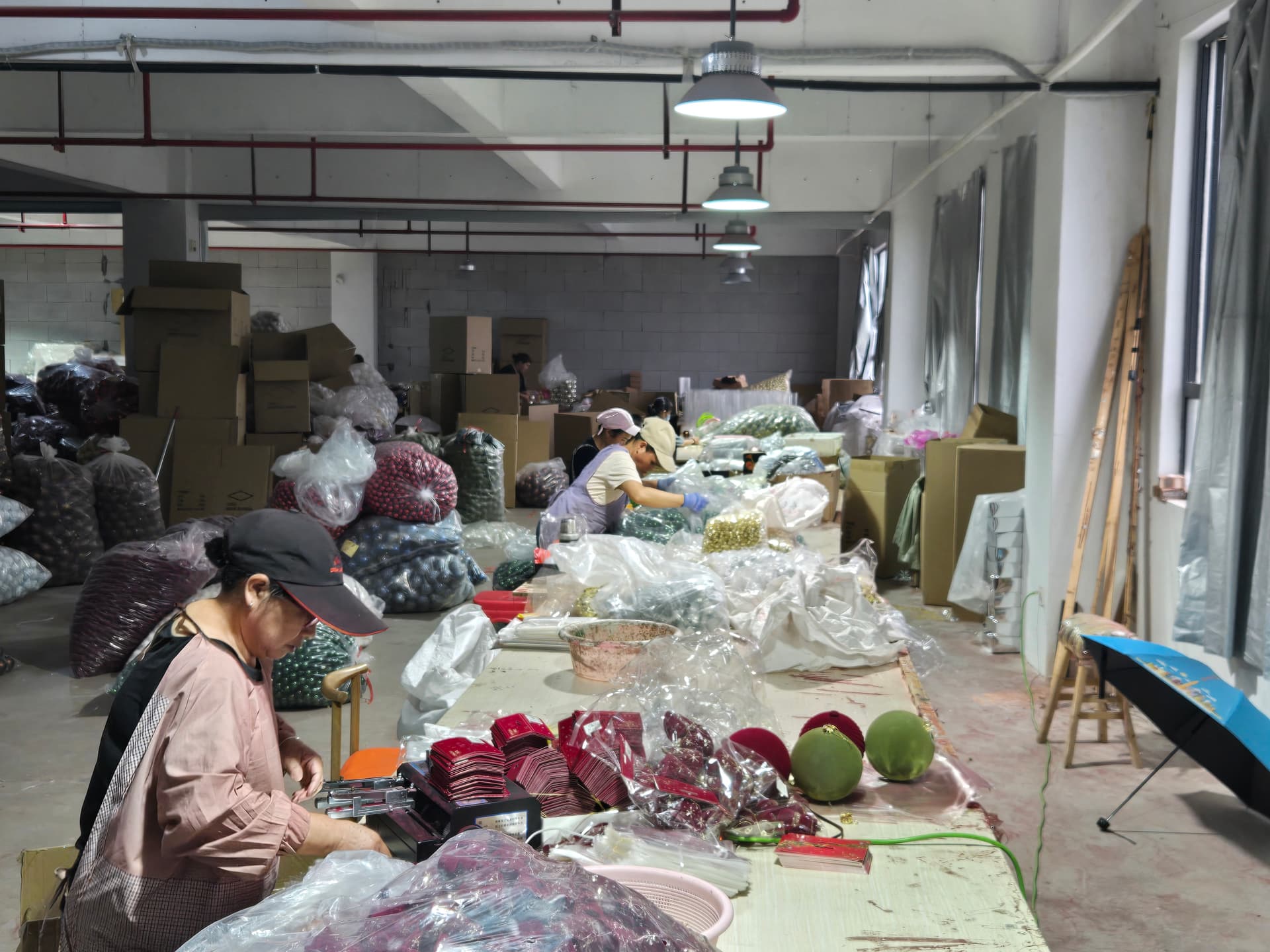
Certifications and compliance matter when private-label vendor manuals require social audit alignment, substance documentation, and packaging recyclability evidence. A reliable supplier maintains audit readiness, worker safety discipline on assembly lines, and export documentation formatted for US and EU vendor portal upload—not generic one-sheet declarations that fail onboarding.
EU and UK programs may require multilingual copy, material declarations, and substance lists per SKU. Attach compliance requirements in the RFQ so the factory formats evidence correctly before bulk inner-pack production opens. US club and mass retail programs often emphasize shatterproof resin volume, PDQ layouts, and pallet efficiency with their own receiving specs.
Compliance is ongoing—not a one-time certificate. Confirm corrective action protocol for audit findings, cap supplier change notifications, and packaging substance updates when regulations shift mid-season. Trading layers rarely own this documentation chain end to end.
Visit the Showroom or Request Samples
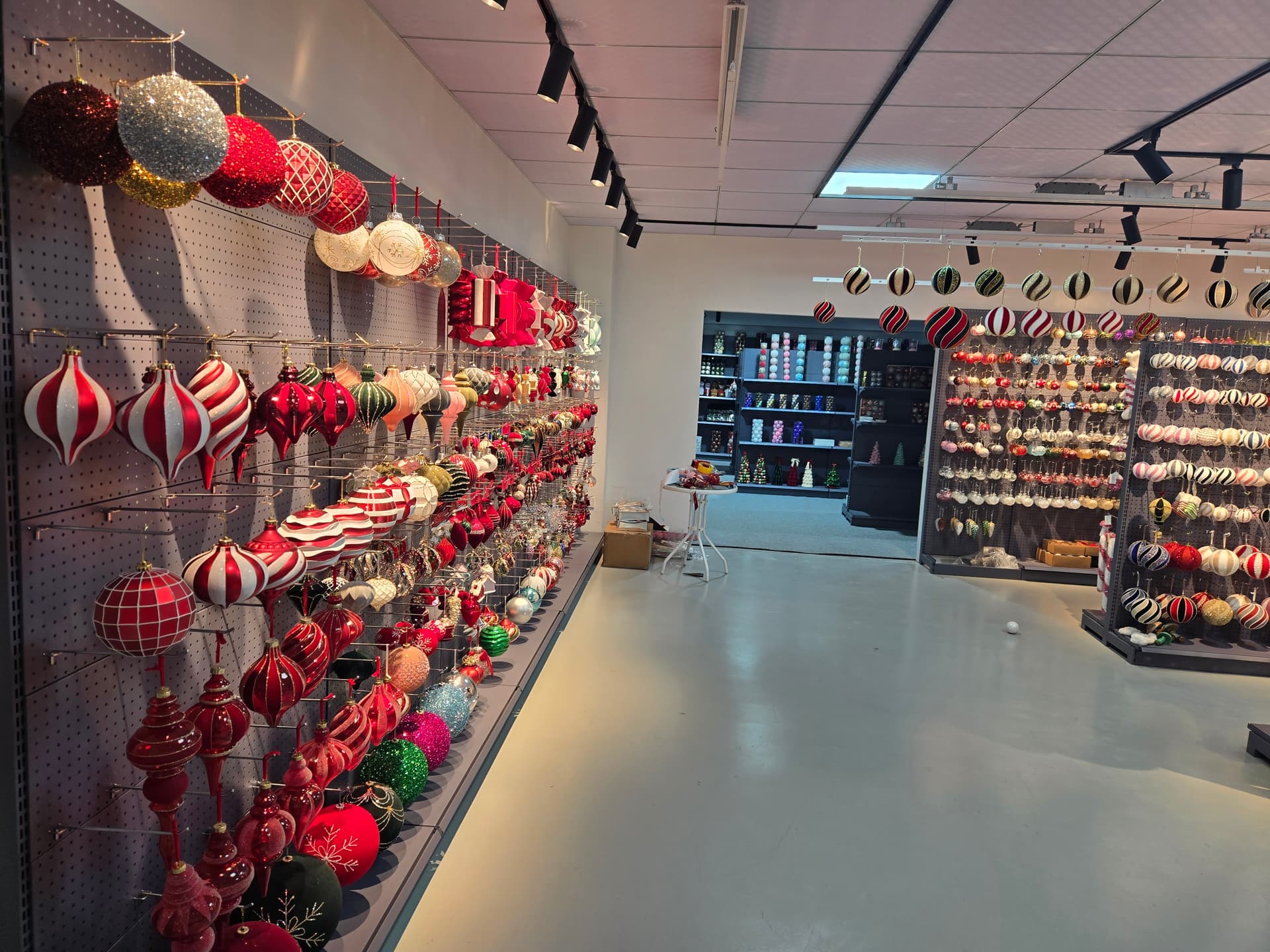
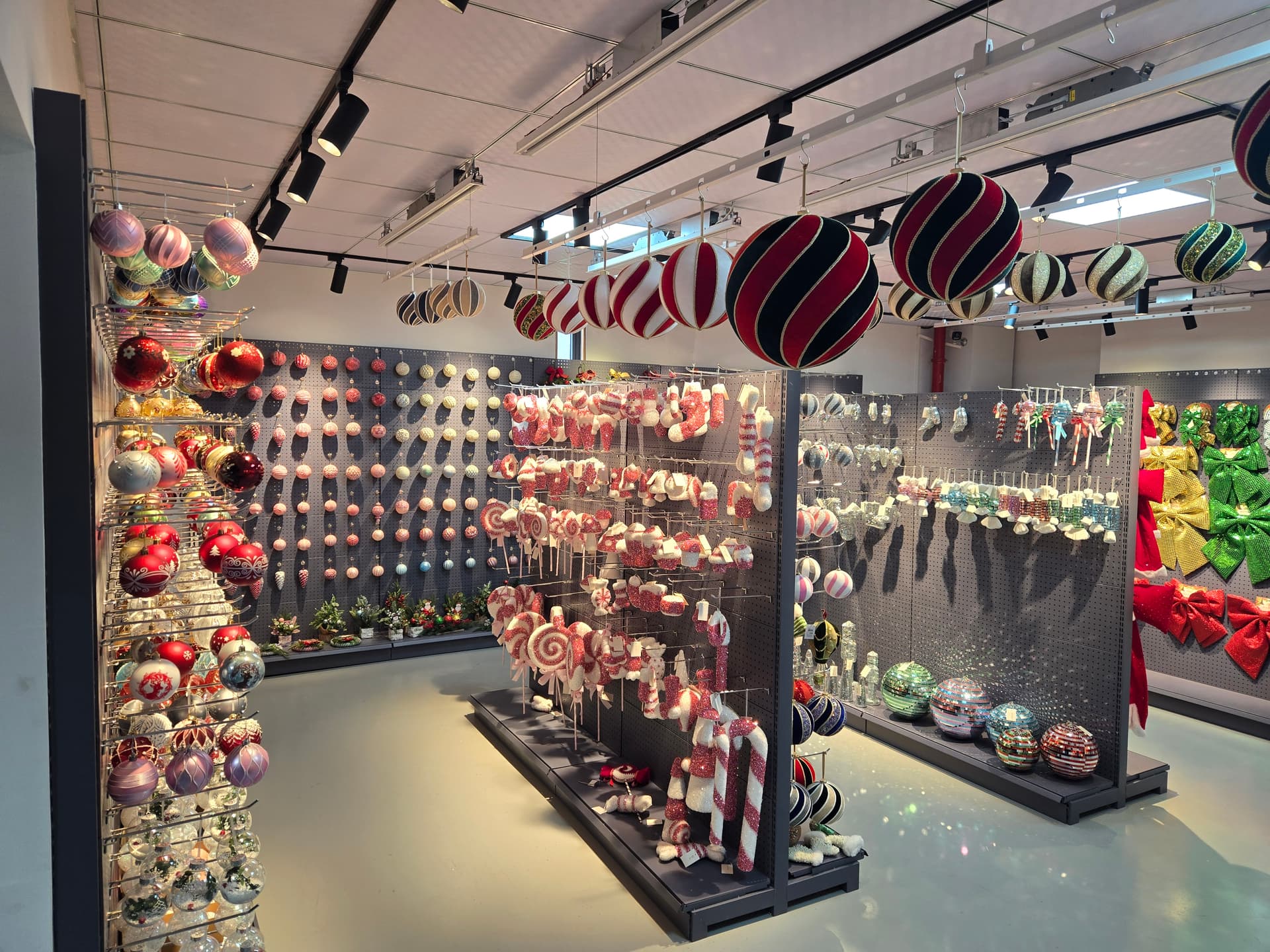
Showroom visits and pilot samples are your tactile audit before multi-container MOQ commits. A credible supplier welcomes buyers to review finish boards, inner-pack engineering samples, and assortment architecture on site—not only polished hero SKUs on foam trays. Virtual tours should show coating bays, QC stations, packaging lines, and export staging in continuous context. Christmas ball ornaments
Request pilot samples that match bulk pigment sources—not stock pieces from unrelated production runs. Compare showroom displays against line photos and video walkthroughs. If a supplier promotes luxury hand-finished SKUs but samples arrive without craft-station context, adjust expectations for capacity and lead time before photography locks.
Sampling windows typically run ten to twenty-one days for glass pilots and twelve to sixteen days for resin once the brief is confirmed. Document what you receive in your supplier scorecard before formal quotation from your China shortlist.
Why Global Buyers Choose Shuanglin Crafts
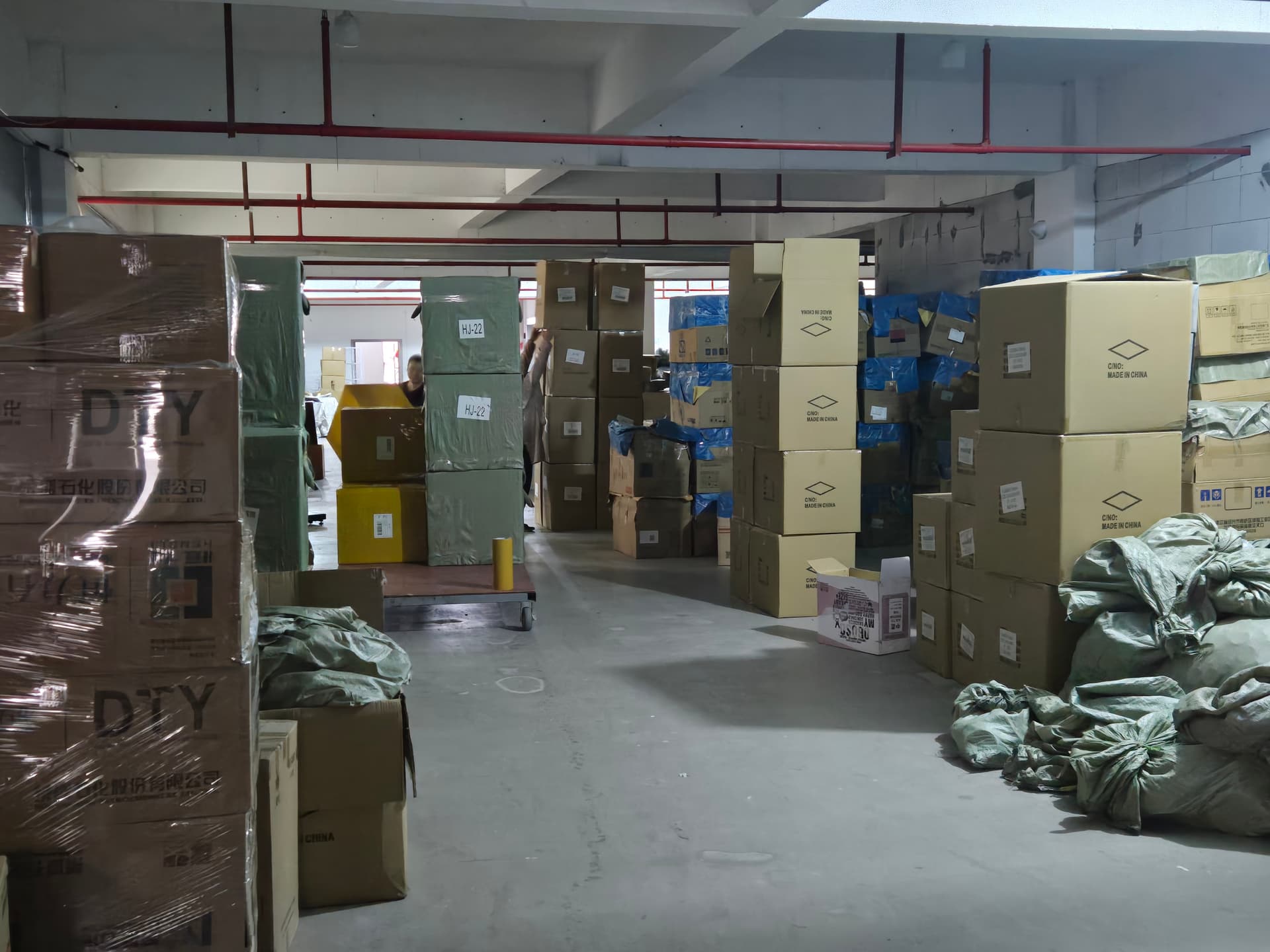
Shuanglin Crafts is a ball-native ornament factory in Zhejiang, China, serving North American and European wholesale buyers with glass balls, shatterproof resin programs, luxury finishes, and OEM development under one export desk. Production is organized around coating bays, craft stations for lustre and hand detail, and export staging aligned to nominated vessel windows—not repackaged giftware without batch trace. Christmas ball ornaments · Christmas ornament factory China · luxury Christmas ornaments · OEM development process · custom Christmas ball manufacturer · Christmas ornament manufacturer · wholesale Christmas ornaments · wholesale Christmas ornaments manufacturers
We document MOQ bands, sampling windows, and packaging tiers honestly before seasonal allocation locks. Global buyers review our ball ornament catalog, factory overview, premium finish tiers, OEM development path, and custom tooling programs when building seasonal assortments.
Our export desk supports US and EU import desks with QC documentation, packaging engineering, and FOB release discipline. Pair this selection guide with our wholesale supplier checklist—or reach out when you need a partner that archives masters and speaks honestly about peak-season capacity.
Conclusion
Choosing a reliable supplier is a qualification exercise grounded in manufacturing experience, quality standards, OEM capability, production capacity, compliance discipline, and showroom or sample evidence—not catalog photography alone. US and EU wholesale buyers who score suppliers on documented gates—not FOB alone—reduce seasonal fire drills, distribution-center claims, and repeat-season rework.
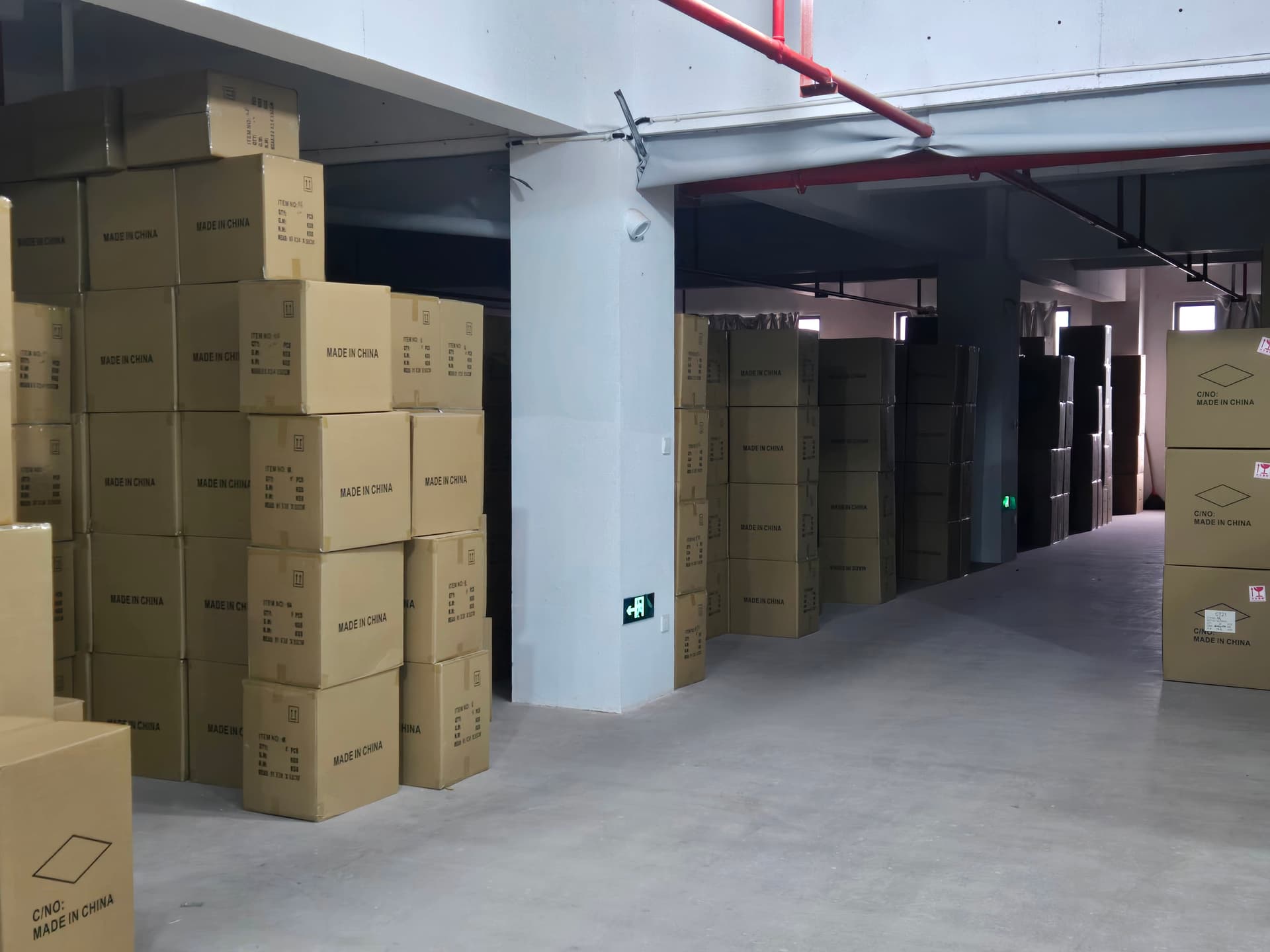
Use the checklist in this guide before you lock Q4 allocation with your China shortlist. Reliable partnership depends on archived masters, honest capacity conversations, and QC evidence your import desk can defend across seasons. Compare factory depth on our Christmas ornament manufacturer page and wholesale Christmas ornaments manufacturers hub. Christmas ornament manufacturer · wholesale Christmas ornaments manufacturers · Christmas ornament factory · OEM development process
When you are ready to move forward, request a factory quote, browse wholesale Christmas ornaments programs, or send OEM requirements for your program. Our export desk typically replies within twenty-four hours with sampling scope and program fit. Request a factory quote · Get product catalog · Send OEM requirements · wholesale Christmas ornaments · wholesale product catalog · contact Shuanglin Crafts