Choosing a reliable Christmas ornament manufacturer in China is one of the highest-leverage decisions a wholesale buyer, import desk, or private-label merchandising team makes before Q4 allocation locks. Catalog photography and trade-show samples are marketing—not proof of coating consistency, cap torque, inner-pack drop fit, or export carton discipline. how to choose a Christmas ornament manufacturer · Christmas ornament factory · OEM development process · wholesale product catalog · Christmas ornament manufacturer
Reliable means a factory that documents production gates, scales MOQ realistically against your assortment architecture, and ships repeatable programs to North America and Europe with QC packets your vendor portal accepts. Teams that skip structured qualification often discover finish drift, non-compliant packaging, or vessel delays after photography and planograms are already approved.
This guide explains how to evaluate OEM and wholesale programs, quality control evidence, MOQ bands, production capacity, and export readiness—so you can shortlist suppliers with evidence, not adjectives. Review our factory capability tour, OEM development process, and wholesale product catalog before your first RFQ.
What “reliable” means for B2B Christmas ornament sourcing
A reliable supplier is not simply a low FOB quote or a polished showroom. Reliability is measured by whether the factory can reproduce signed finish masters at bulk scale, attach batch travelers and AQL records to each lot, and hit reverse-engineered seasonal gates without silent shortcuts.
Wholesale volume programs need predictable MOQ per colorway, inner packs engineered for your distribution center spec, and master cartons that match commercial invoice symbology. OEM development adds tooling lead times, retail dieline approval, and cap branding that must be scoped before merchandising commits in-store dates.
Import desks in the United States and European Union should treat factory qualification as a scorecard exercise: evidence quality first, unit price second. The lowest quote often hides partition downgrades, unsigned coating masters, or traders without line control.
Who this evaluation framework serves
Specialty gift buyers, club and mass retail import teams, hospitality procurement, e-commerce private-label operators, and distributor bulk programs all share the same core gates—even when MOQ and packaging tiers differ. A factory that serves one channel well may still be wrong for another if capacity or compliance tracks do not match your vendor manual.
Verify factory capability—not trader promises
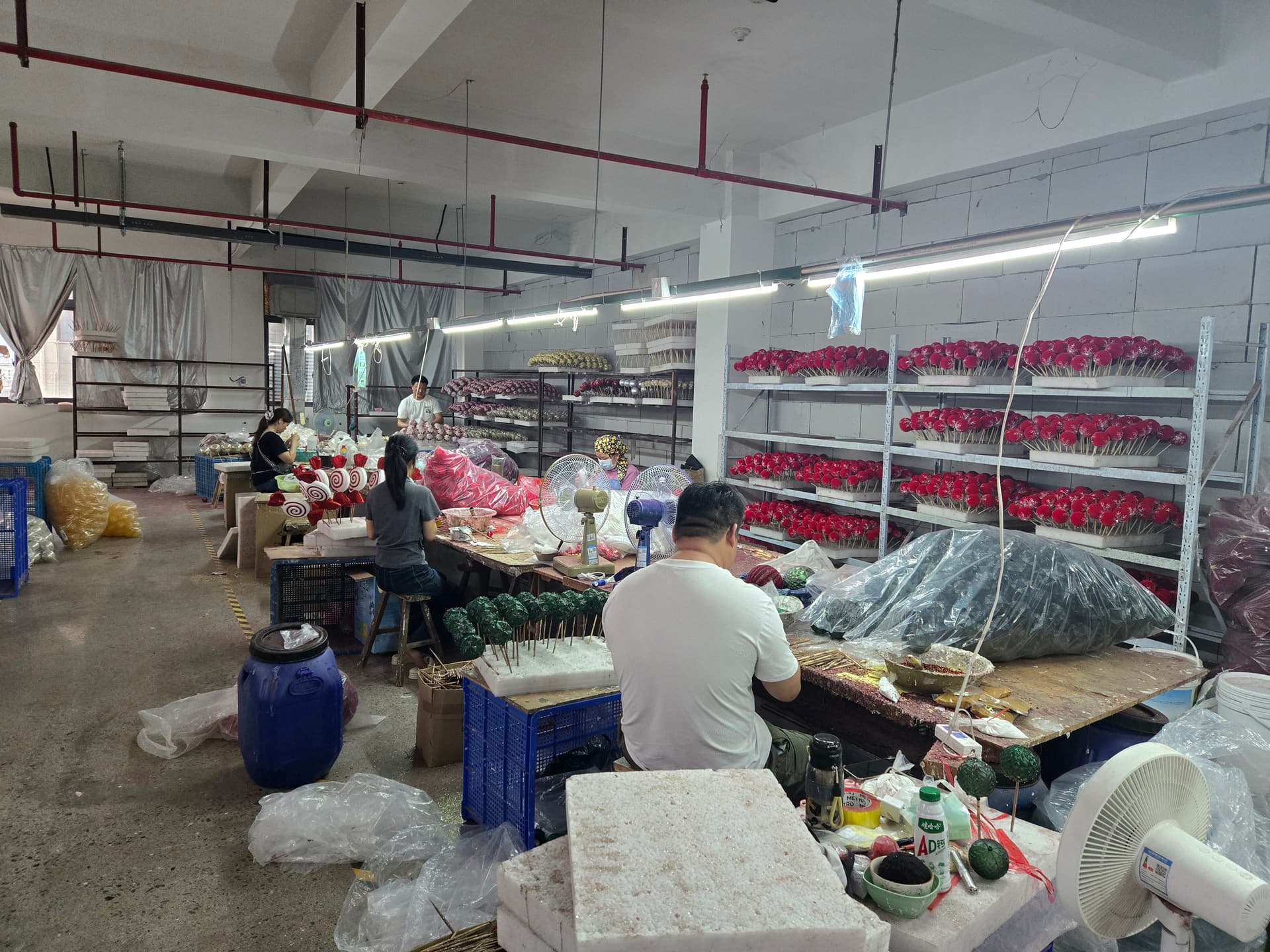
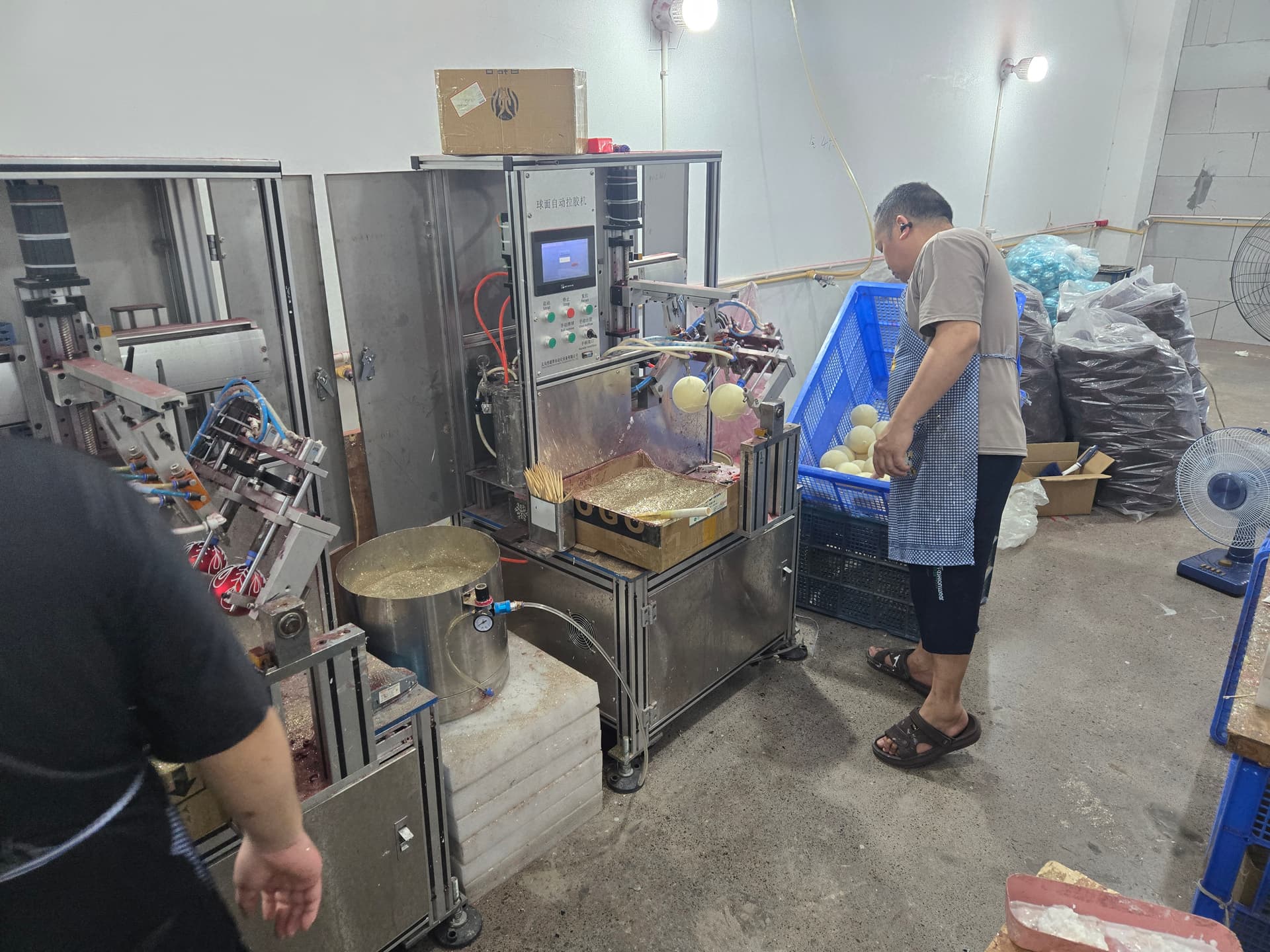
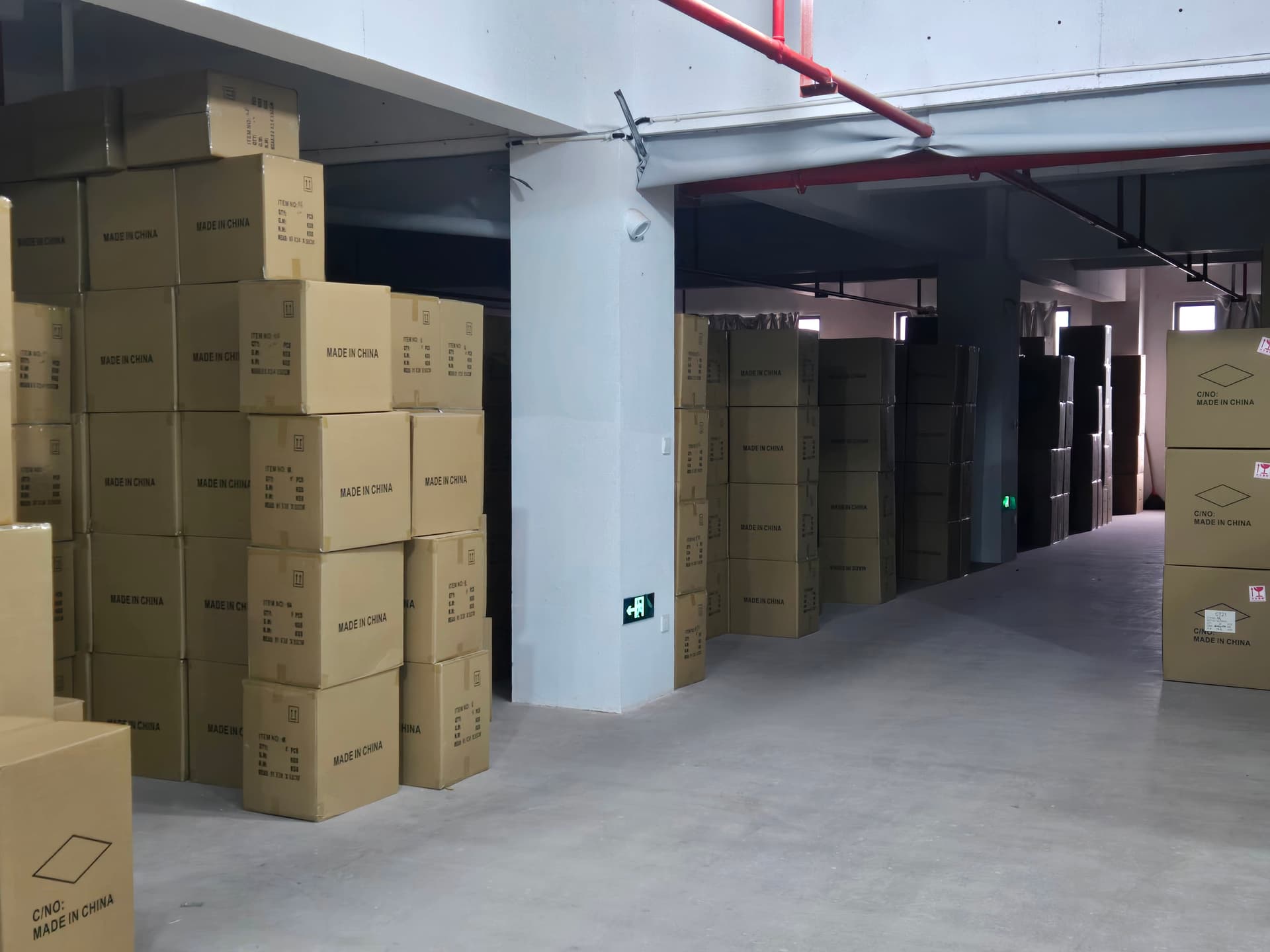
Start with factory-native evidence. A credible ball supplier runs glass forming or resin coating bays, cap assembly, hand-finishing stations where needed, and export staging aligned to FCL programs—not ornaments as a side category brokered through unnamed partners. Christmas ornament factory · wholesale product catalog
Factory-direct supplier vetting and wholesale sourcing checklists appear on our Christmas ornament supplier · wholesale Christmas ornaments manufacturers
Request line photos of coating bays, craft stations, inner-pack fit checks, and pallet staging. Ask for references from US or EU importers when available. Shuanglin Crafts publishes factory capability details and product collection architecture so buyers can map briefs to real constraints before sampling opens.
Ball-native production vs general décor suppliers
General décor traders may list ornaments in a catalog but rarely document coating lot traceability, hang-balance checks, or cap metallization records at scale. Ball-native factories cluster finish depth, hand-finishing capacity, and export packaging expertise that spherical programs require.
Confirm which material platforms the factory runs in-house: clear and coated glass, ABS and PP shatterproof resin, luxury pearl and brushed metallic families, and OEM private-label packaging tiers. Mixed glass-and-resin color walls only work when one palette document governs pigment sources across SKUs.
- Confirm ball-native production—not ornaments as a side category
- Review glass and/or resin coating bays with line photos or virtual tour
- Verify hand-finishing capacity for premium lustre, flock, or hand-detail SKUs
- Validate export staging, pallet patterns, and FOB experience for your market
- Request social audit and vendor-manual alignment before MOQ commit
OEM Christmas ornaments vs wholesale Christmas ornaments
OEM programs involve custom molds, cap branding, retail dielines, and private-label architecture aligned to your vendor manual. Tooling lead times often sit outside standard catalog MOQ—budget ninety to one hundred twenty days to first vessel for new shapes and packaging tiers. OEM development process · OEM Christmas ornaments · wholesale product catalog

Wholesale catalog lines typically draw from documented platforms with MOQ per finish and colorway. Glass finish programs often start around three thousand to five thousand pieces per colorway; resin shatterproof club lines may scale at eight thousand to ten thousand pieces per color for FCL efficiency.
Many successful importers run OEM hero SKUs with wholesale volume walls under one palette document. The factory must scope both tracks honestly—capacity peaks in Q2 and Q3 cannot absorb unlimited parallel finish families without QC risk.
Matching program type to factory strengths
Ask whether the factory has shipped programs similar to yours: club PDQ, specialty gift boxes, hospitality shatterproof walls, or distributor bulk export-only cartons. A supplier strong in bulk egg-crate export may need extra lead time for rigid window-box engineering.
OEM buyers should confirm cap tooling ownership, dieline revision windows, and pilot-to-bulk comparison protocol before creative locks photography. Wholesale buyers should confirm set-count architecture—six, twelve, twenty-four count—and partition density assumptions in writing.
Quality control documentation buyers should require
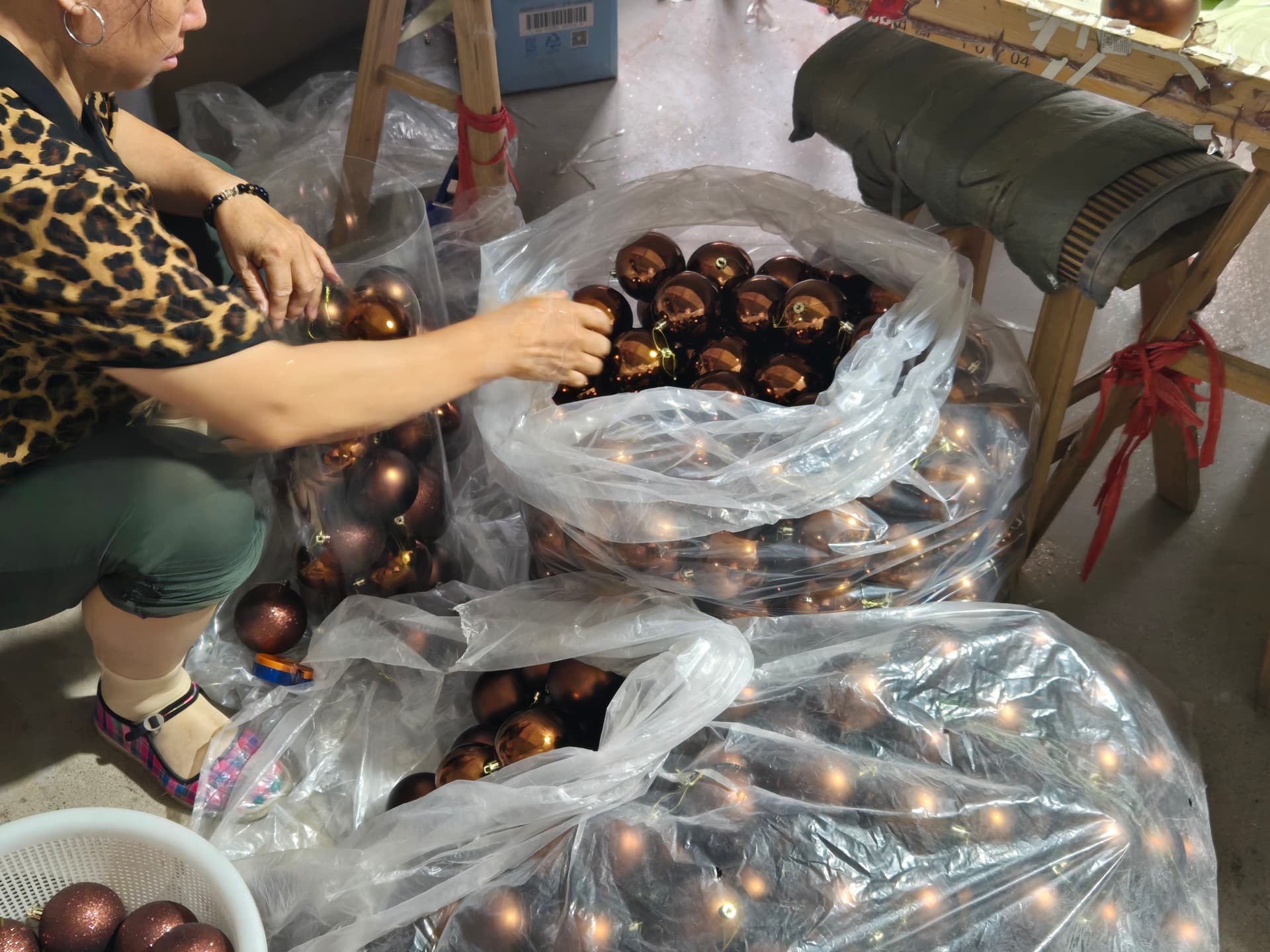
Quality control for ornaments is not a generic factory inspection certificate. Reliable suppliers provide batch travelers with coating lot IDs, cap torque records, inner-pack drop-fit photos, and AQL sampling aligned to your DC spec or agreed ISTA baseline—not internal tests with no witness.
Private-label accounts often need structured QC packets uploaded to vendor portals before payment release. Attach EU packaging, material declarations, and recyclability requirements during RFQ so sampling includes correct dielines and compliance fields—not last-minute air-freight recovery.
Drop-test results should reference your distribution center fixture height or third-party QA partner requirements. Ornament claims frequently involve coating scuff, cap loosening, or partition shift—not always outright breakage visible at receiving.
Lot-locked color matching means bulk coating uses the same pigment sources approved on the pilot, with hold-and-review when deviation appears. A supplier that cannot explain coating lot trace on batch travelers is unlikely to defend your brand when fixtures combine multiple sizes under one palette document.
Mixed glass-and-resin color walls are common in OEM development and wholesale resets alike. Merchandising must flag material per SKU so inspectors apply glass fragility criteria to hero ornaments and impact protocols to shatterproof volume—not a single generic AQL sheet copied from unrelated categories.
QC gates to name before bulk coating opens
- Signed finish masters archived with master IDs and controlled-lighting comparison photos
- Pilot lot approved against bulk pigment sources—not stock samples from unrelated runs
- Inner-pack drop fit documented with SKU context, not aggregate factory tour images
- Pre-shipment inspection scheduled when vendor manual requires witness or third-party QA
- Corrective action protocol for coating drift, cap defects, or carton mark mismatches
MOQ bands and production capacity
MOQ without capacity context misleads buyers. A factory may quote attractive per-piece minimums while lacking coating bay availability during peak season—or accept PO volume that compresses curing windows and increases finish drift risk. request a factory quote
Map MOQ to FCL plans early. Under-filled containers inflate landed cost even when unit FOB looks attractive. Share your color-wall plan, set counts, and packaging tier so the export desk quotes lowest viable lots per SKU—not abstract catalog numbers.
Capacity questions should cover parallel finish families, hand-finishing labor for craft SKUs, and export staging bandwidth before vessel peaks. Factories that go silent on availability until export day are poor fits for repeat private-label seasons.
Signals of honest capacity planning
Strong factories name calendar constraints proactively: line changeovers between finish families, curing time for sensitive metallics, and pallet staging windows before forwarder cutoffs. They share coating lot change notifications before bulk runs—not after DC complaints.
Request a reverse-engineered timeline from in-store date through DC receiving, ocean transit, export staging, bulk coating, and pilot sampling. Suppliers who cannot show realistic gates on a calendar are unlikely to hit vessel silently.
- Document MOQ per colorway and material platform in writing
- Confirm tooling ownership and amortization for OEM molds and retail packaging
- Align payment milestones with pilot approval and pre-shipment inspection
- State Incoterms clearly—FOB port baseline with forwarder coordination
- Validate peak-season capacity for your finish families before PO release
Global export experience and logistics readiness
Cross-border shipping readiness means more than a list of country names on a brochure. Reliable suppliers document FOB release discipline, commercial invoice and packing list accuracy, carton marks aligned to forwarder requirements, and prior-season vessel references for North America and Europe when available. Christmas ornament factory · request a factory quote
Coordinate moisture management and container loading photos with your forwarder—especially for long trans-Pacific lanes where condensation risk affects coating adhesion on sensitive metallics. Provide GS1 symbology and ship-to marks before bulk inner-pack production opens.
EU and UK programs may require multilingual copy, material declarations, and substance lists per SKU. Attach compliance requirements in the RFQ so the factory formats evidence for vendor portal upload—not generic one-sheet declarations that fail audit at onboarding.
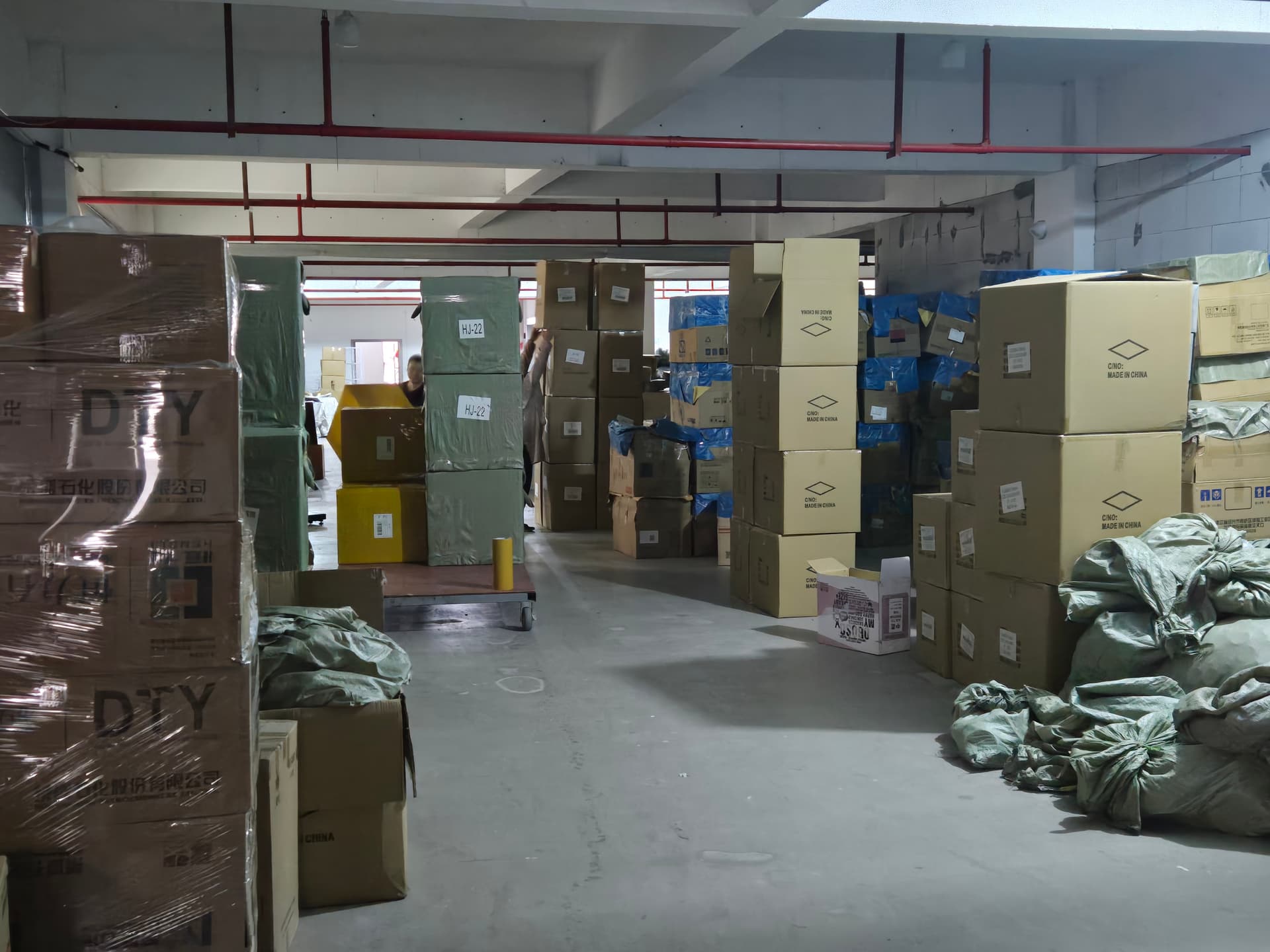
Export desks should align commercial invoice, packing list, and carton marks before vessel departure. Strong export discipline includes forwarder-ready pallet photos and weight distribution notes that prevent booking surprises when retail packaging upgrades change master carton cube late in development.
CIF and DDP are available when your team models landed cost holistically, but FOB port remains the common baseline for US and EU importers who nominate ocean carriers and manage import clearance. Factories with proven export track records communicate staging status proactively—not only on the day goods reach the port.
North America and EU program differences
US club and mass retail programs often emphasize shatterproof resin volume, PDQ layouts, and pallet efficiency. EU specialty and department doors may prioritize gift-box engineering, recyclability declarations, and stricter packaging substance documentation.
A factory with cross-border program experience adapts inner-pack and master carton strategy to destination market—not one-size export cartons copied from unrelated programs. Confirm the supplier has shipped to your import lane in the last two seasons when possible.
Seasonal timeline gates and repeat-season efficiency
Reliable factories reverse-engineer timelines from your in-store date through distribution center receiving, ocean transit, export staging, bulk coating, pilot sampling, and tooling approval. Mid-summer booking cutoffs for North American Q4 peaks are unforgiving when craft-heavy SKUs need longer curing or OEM packaging dielines slip.
Wholesale MOQ bands, production capacity, channel economics, and FCL planning for seasonal programs are on our wholesale Christmas ornaments · wholesale Christmas ornaments manufacturers
Lock sampling in Q1–Q2 for North American seasonal peaks when possible. Name approval owners on the buyer side for finish, packaging, and compliance so gates do not stall silently while the factory holds coating bays for other clients.
Repeat-season efficiency depends on approved platforms: factories that document masters and inner-pack IDs let you shortcut tooling on year two—provided any pigment or cap supplier change triggers comparison against archived finish boards before bulk opens.
Packaging engineering and DC receiving outcomes
Packaging engineering intersects directly with supplier reliability. Partitioned inners, foam-fit gift boxes, PDQ layouts, and corner-protected masters define distribution outcomes as much as coating quality. Request drop-test photos at pilot when vendor manuals specify fixture-height drops or conveyor transfers. wholesale product catalog
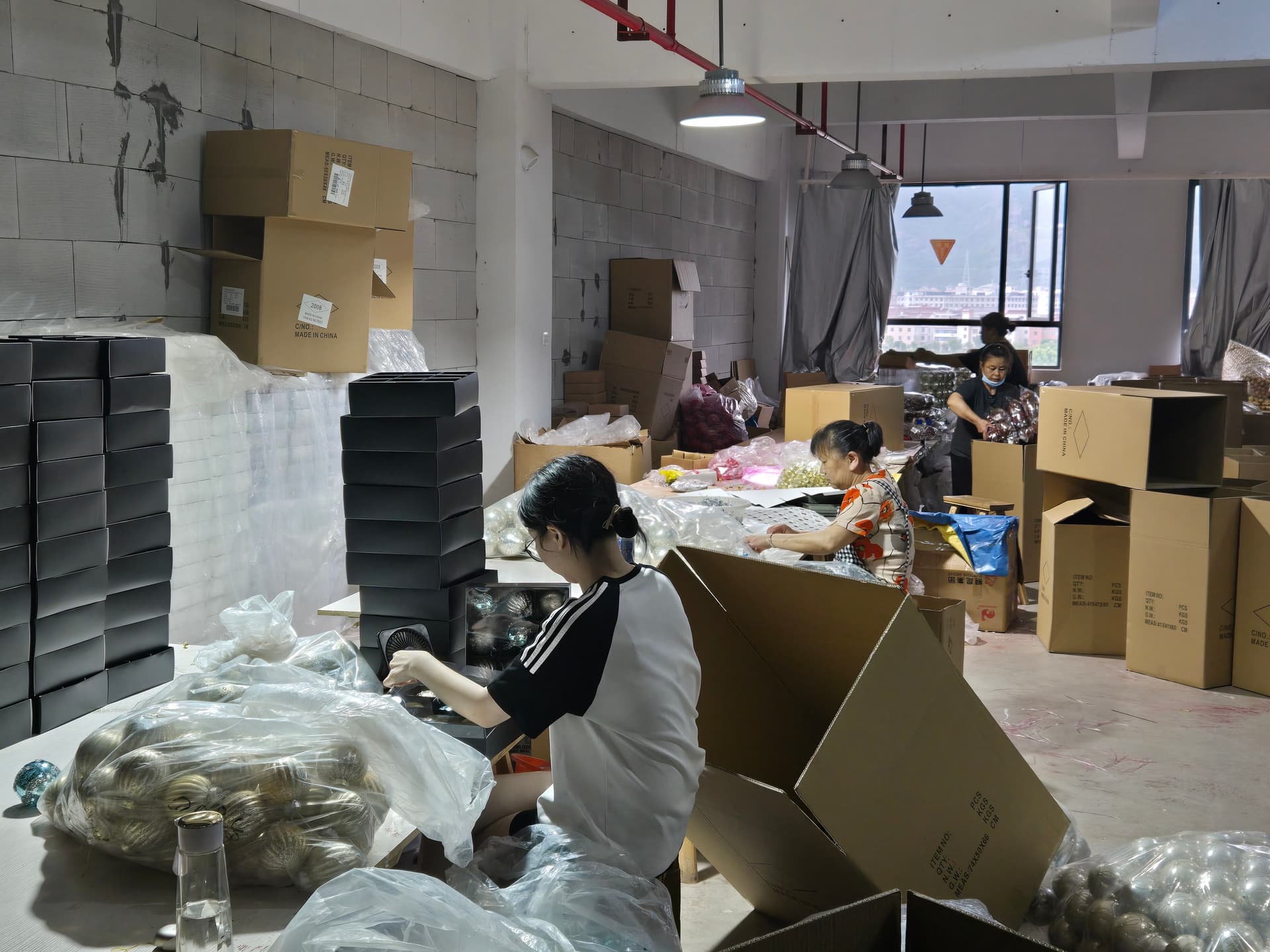
Retail packaging upgrades change MOQ and lead time: rigid window boxes and tissue inserts add craft and packing labor that bulk egg-crate export does not. Merchandising should lock packaging tier at sampling so factory quotes remain valid through seasonal allocation.
Master carton marks must match commercial invoice and forwarder requirements. Pre-vessel pallet photos and weight distribution notes prevent booking surprises—especially when wholesale volume and OEM gift sets share a container with different inner-pack densities.
Supplier scorecard: how to rank candidates
Rate each candidate factory on evidence quality, timeline realism, MOQ fit, packaging engineering support, quality control documentation, capacity honesty, and export readiness. Use a simple one-to-five scale per category with notes—not relationship momentum alone.
Can they show coating lot trace on batch travelers? Do they run ball-native lines? Have they shipped OEM and wholesale programs to your destination market? Can they structure development without tooling surprises? Archive scorecards so year-two sourcing revisits objective criteria.
Assign an internal owner to map factory document names to your vendor portal taxonomy before bulk production opens. Gap discovery at onboarding delays first vessel more than finish sampling when QC packets arrive in the wrong format.
- Factory capability and ball-native production evidence
- OEM and wholesale program fit for your channel
- Quality control packets aligned to vendor manual
- MOQ and production capacity realism for peak season
- Global export experience and logistics readiness
- Responsive export desk with documented escalation paths
Questions to ask on the first factory call
Strong answers reference specific gates and documents—not vague assurances of quality. Use responses to populate your scorecard before requesting formal quotation from your shortlist. request a factory quote
- Which material platforms do you run in-house versus broker?
- Can you share pilot-to-bulk photos from last season for a similar finish family?
- What MOQ bands apply per colorway for glass and resin respectively?
- How do you document quality control and coating lot trace on batch travelers?
- What production capacity do you reserve for peak Q2–Q3 coating windows?
- Which US or EU markets have you shipped wholesale Christmas ornaments to recently?
- Who owns export staging communication with our forwarder?
Red flags that should pause qualification
Trading layers that cannot disclose factory partners or share pilot-to-bulk photos add margin without adding QC. Suppliers who refuse batch travelers before payment release signal misalignment with private-label vendor manuals.
Vague MOQ answers, unwillingness to name seasonal gates, or samples that cannot be tied to bulk pigment sources are stop signs. Lowest FOB without partition assumptions often means crushed master cartons and coating drift at DC receiving.
Factories that dismiss distribution center photos as handling errors without coating lot investigation are poor partners for repeat programs. Reliability shows in corrective action—not in showroom charm.
Next steps: RFQ, sampling, and factory partnership
Complete structured qualification before PO release on first-season programs. Attach vendor manual excerpts, destination market, set counts, packaging tier, and reverse-engineered timeline to your RFQ so the export desk scopes sampling correctly.
Glass ornament finish families, clarity QC, and export specifications are documented on our glass Christmas ornaments
Pair this guide with our wholesale supplier checklist, MOQ guide, and import overview when your shortlist passes capability gates. A reliable factory partnership depends on archived masters, honest capacity conversations, and QC evidence your import desk can defend.
Request a factory quote when your brief is defined, browse our product catalog for finish families and MOQ bands, or send OEM requirements if you need custom caps, retail dielines, or private-label tooling. Request a factory quote · Get product catalog · Send OEM requirements
You can also explore our wholesale product catalog, review the OEM development process, tour the factory floor, or contact Shuanglin Crafts when you need lead times confirmed before seasonal allocation locks. wholesale product catalog · OEM development process · Christmas ornament factory · contact Shuanglin Crafts
Frequently asked questions
How do I know if a China Christmas ornament manufacturer is reliable?
Request factory capability evidence—coating bay photos, batch travelers, pilot-to-bulk comparison records, and export references for your market. Reliable Christmas ball manufacturers document quality control gates; traders often offer catalog PDFs only.
What MOQ should I expect for wholesale Christmas ornaments from China?
Glass finish programs often start around 3,000–5,000 pieces per colorway; resin shatterproof volume may scale at 8,000–10,000+ per color for FCL efficiency. MOQ depends on set architecture, packaging tier, and production capacity during peak season.
How is OEM Christmas ornaments sourcing different from wholesale catalog lines?
OEM programs include custom molds, cap branding, retail dielines, and private-label packaging with longer tooling lead times. Wholesale Christmas ornaments typically use catalog platforms with documented MOQ per finish—both can run under one palette when scoped correctly.
What quality control documents should importers require?
Batch travelers with coating lot IDs, cap torque records, inner-pack drop-fit photos, AQL reports aligned to your DC spec, and pre-shipment inspection evidence when your vendor manual requires witness or third-party QA.
Why does production capacity matter as much as MOQ?
A factory may quote low MOQ while lacking coating bay availability during Q2–Q3 peaks. Honest production capacity planning prevents finish drift, compressed curing windows, and missed vessel dates when parallel finish families compete for the same lines.
What proves global export experience for US and EU buyers?
Prior-season vessel references, FOB release discipline, accurate commercial invoices and carton marks, destination-market packaging compliance, and formatted QC packets suitable for vendor portal upload—not generic export claims without SKU context.
Should I visit the factory before committing seasonal MOQ?
For multi-container private-label programs or new OEM tooling, virtual or in-person line verification prevents expensive bulk corrections. Many wholesale programs start with structured pilot lots and document review before travel spend.
When should I request a factory quote?
After your scorecard shortlist passes capability gates—share assortment architecture, packaging tier, destination market, and timeline so the export desk maps MOQ, production capacity, and sampling windows realistically.