The Christmas ornament manufacturing process end to end
The Christmas ornament manufacturing process is more than a production line photo—it is a sequence of material choices, forming gates, coating chemistry, craft labor, inspection records, and export packaging decisions that determine whether your seasonal program survives distribution-center receiving. Wholesale buyers who treat ornaments like generic giftware often discover coating drift, cap mismatch, or crushed inner packs after photography and planograms lock. Understanding how Christmas ornaments are made helps import desks ask sharper questions, scope realistic sampling windows, and align factory output with US and European retail expectations. Christmas ornament factory · Christmas ornament manufacturer · OEM development process · custom Christmas ornaments
Shuanglin Crafts supports wholesale buyers with finished ornament platforms, OEM development, factory tours, and direct export desk contact—use the links below when you are ready to move from research to sampling. product catalog · OEM program overview · factory tour · contact the export desk
This pillar guide walks through the full manufacturing process at a ball-native factory: raw materials, molding and forming, painting and metallization, glitter and specialty finishes, hand decoration, quality control, packaging, and the OEM workflow that turns a brand brief into FOB release. It is written for B2B importers, retail private-label teams, and OEM program managers—not for craft hobbyists browsing decoration ideas.
Shuanglin Crafts documents each production gate with batch travelers, finish boards, and export staging aligned to nominated vessel windows. Programs run glass heroes, shatterproof resin volume walls, luxury gift sets, and private-label retail boxes under one export desk in Zhejiang, China. Use this guide alongside our factory tour, ball-specific process article, and OEM manufacturing overview when you build vendor scorecards for your next seasonal allocation.

Materials used in Christmas ornament manufacturing
Material selection drives MOQ, lead time, compliance attachments, and inner-pack engineering before a single coating bay opens. Glass Christmas ornaments start from clear or pre-coated spheres with interior metallic washes—silver, gold, pearl—before exterior lacquer, matte, or lustre systems run. Borosilicate-grade clarity, wall thickness consistency, and hang-point integrity are inspected at intake because downstream coating cannot correct structural defects that show up as breakage or hang imbalance at retail. glass Christmas balls wholesale · plastic Christmas ornaments
Factory-direct supplier vetting and wholesale sourcing checklists appear on our Christmas ornament supplier · wholesale Christmas ornaments manufacturers
Shatterproof Christmas ornaments use ABS or PP resin with UV-stable exterior coats, glitter infusion, and brushed metallic films. Impact resistance and consistent hang weight matter for hospitality, club channels, and large fixture walls where glass liability is unacceptable. Resin platforms scale at higher per-color MOQ but often deliver better landed economics when PDQ inners and pallet layouts are confirmed at sampling.
Caps, clips, and hang hardware are materials in their own right—not accessories bolted on at the end. Metallized caps coordinate with finish families; torque specs and hang weight must be approved at pilot with photos archived for repeat seasons. OEM programs may specify proprietary cap geometry, branded hang tags, or clip systems that require tooling quotes before bulk authorization.
| Material platform | Typical use | Manufacturing note |
|---|---|---|
| Clear & coated glass | Hero SKUs, gift sets, specialty doors | Clarity inspection before exterior coat; fragile inner packs |
| ABS / PP resin | Club volume, hospitality, shatterproof walls | Impact baselines; UV coat adhesion at pilot |
| Metal caps & clips | All hanging ornaments | Torque and metallization match signed at pilot |
| Interior washes | Pearl, lustre, metallic glass heroes | Lot-locked pigment sources pilot to bulk |
| Retail packaging | Gift boxes, PDQ, export inners | Separate MOQ and labor from ornament MOQ |
Mixed-material color walls—glass statement sizes above resin volume SKUs—require one signed palette document so coating drift does not split the fixture story mid-season. Merchandising should confirm which sizes are hero versus volume before sampling so coating bays and craft stations schedule in the right sequence for your in-store date.
Compliance attachments tied to material choice
Material declarations for EU and specialty retail doors often attach at pilot approval—not as a post-bulk scramble. Glass programs may require lead-content attestations, coating chemistry summaries, and hang-hardware torque records. Resin shatterproof lines add phthalate and heavy-metal documentation when vendor manuals specify children's-product adjacent placement or hospitality installs near food service. EU Christmas ornament manufacturer · import Christmas ornaments from China
Importers should list target markets in the first RFQ so the export desk scopes compliance packets alongside MOQ and lead time. A factory that cannot produce batch travelers tied to coating lot IDs will struggle to support vendor portal uploads your QA partner expects at distribution-center receiving.
Molding and forming: glass and resin platforms
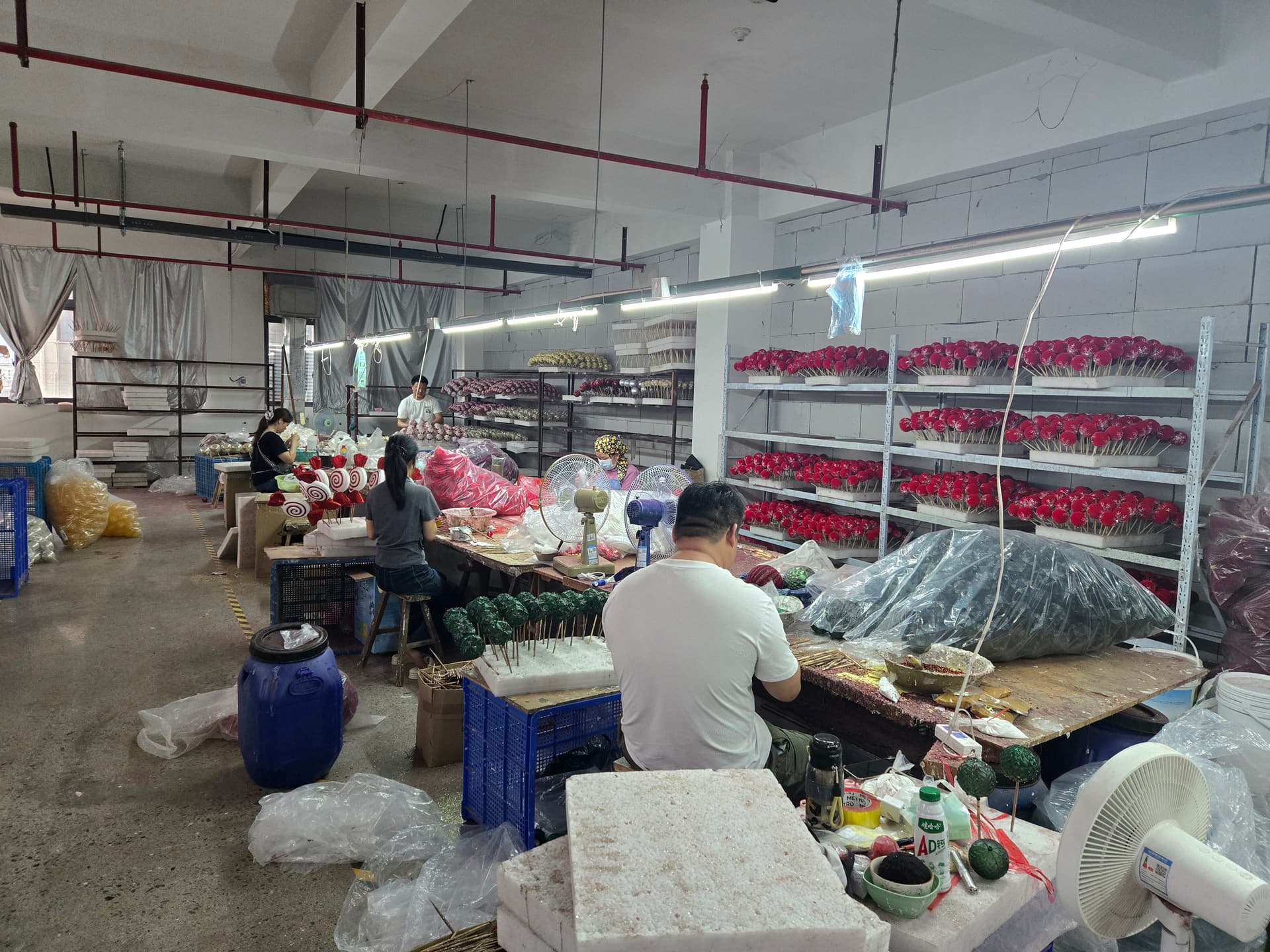
Glass ornament forming establishes wall thickness, neck geometry, and hang-point integrity. Spherical programs may use blown or molded glass depending on diameter and finish family; either path requires clarity checks and dimensional sampling before exterior coating consumes calendar days. Humidity-aware staging matters—rushing glass from forming into coating without controlled drying invites adhesion failures that surface as seasonal returns, not factory rejects caught at origin.
Resin molding uses cavity-maintained molds with shot-weight consistency logged per production window. Cavity wear, flash lines, and parting-line cleanup affect how exterior coats read under retail lighting—especially on matte and satin exteriors where micro-defects photograph poorly in e-commerce grids. Mold maintenance records should be available when buyers audit repeat-season programs.
Size ladders—40 mm through 120 mm and beyond—map to mold sets and cap families. Set-count architecture (6, 8, 12, 24) drives inner-pack density and master carton cube. OEM development can specify custom diameters when tooling ownership and amortization terms are documented in the program brief before strike samples open.
Forming-stage quality gates
- Wall thickness and clarity checks on glass before coating bays open
- Shot-weight consistency and cavity inspection on resin lines
- Hang-point and neck geometry sampled per mold set
- Strike samples compared to approved dimensional masters
- Humidity and staging discipline between forming and coating
Glass blow molding produces thin-wall spheres with high reflectivity—common for lustre and clear hero SKUs where interior wash visibility matters. Pressed or molded glass paths suit thicker walls and larger diameters where hang weight and partition engineering dominate. Either route requires strike samples compared to dimensional masters before exterior coating consumes calendar; importers who approve showroom spheres without production-intent hang points often discover cap mismatch at inner pack.
Resin injection molding runs on multi-cavity tools with shot-weight logs archived per production window. Flash at parting lines must be trimmed before exterior coat—especially on satin and matte finishes where micro-lines photograph as defects in e-commerce grids. Cavity maintenance schedules should be available when you audit repeat-season programs; worn cavities produce wall-thickness drift that coating cannot mask.
Set-count architecture drives mold utilization: a 24-piece club set may span four diameters, each with its own cavity set and cap family. Document which sizes share molds and which require dedicated tooling so MOQ conversations reflect real setup—not abstract piece counts merchandising invented after the first quote.
Painting, coating, and finish systems

Painting and coating transform raw spheres into seasonal finish families: clear lustre, matte exteriors, pearl veils, brushed metallics, and interior washes that anchor photography. Exterior systems run after interior washes lock; pilot lots compare masters under controlled lighting—typically D65-equivalent review—before bulk pigment sources commit. Line changeovers between finish families consume calendar days merchandising teams often omit when they add last-minute SKUs to an approved ladder. luxury Christmas decorations
Coating complexity drives lead time more than buyers expect. High-lustre bands, micro-glitter veils, and pearl exteriors consume craft-station time and curing windows that matte resin volume lines do not. Factories that compress curing to hit vessel dates often produce finish drift that import desks defend poorly at distribution-center QA review.
Finish boards should specify interior wash, exterior coat, cap metallization, and any hand-finish steps so pilot lots compare apples to apples. Creative teams referencing mood boards without Pantone or physical references trigger expensive rework when bulk cannot match aspirational photography.
Curing windows and coating throughput
Each finish family carries a curing profile—high-lustre exteriors and micro-glitter veils need longer dwell time than matte resin volume coats. Factories that compress curing to hit vessel dates produce finish drift visible only under retail lighting or after distribution-center humidity exposure. Merchandising calendars should include curing days in lead-time math, not only coating line throughput.
Interior washes on glass must cure before exterior lacquer opens; reversing that sequence or rushing humidity-sensitive stages invites adhesion failures that surface as seasonal returns. Batch travelers should record cure start and release timestamps so your QA partner can trace complaints back to a production window.
Peak-season coating bay reservation is finite. Programs that add last-minute glitter heroes after bulk authorization often queue behind club resin walls already booked for Q2 vessel windows—another reason to lock ladder and finish families at RFQ, not after photography.
Plating, metallization, and cap finishing
Plating and metallization cover cap surfaces, clip hardware, and accent bands that must match finish families on the ball body. Electroplated or vacuum-metallized caps require color-match discipline across size ladders—merchandising expects one metallization story on the fixture even when diameters change. Cap torque and hang alignment are validated at pilot with records tied to master carton labels for vendor portal upload.
Interior metallic washes on glass—gold, silver, copper, antique tones—are part of the plating story inside the sphere, not only on caps. Lot traceability links interior wash batches to exterior coat runs so repeat seasons restart without pigment surprises. Skipping pilot comparison on interior and exterior together is a common source of hero-SKU drift at bulk.
Glitter, flock, and specialty surface effects
Glitter infusion, flock, and micro-glitter veils are among the most calendar-intensive steps in the Christmas ornament manufacturing process. Controlled glitter density reads premium on limited heroes; entire mass walls coated in heavy glitter often fail club drop tests and photograph as visual noise online. Document which SKUs carry specialty effects at RFQ so craft allocation and curing windows are realistic.
Flock and velvet-touch exteriors require adhesion baselines and rub tests at pilot—especially when vendor manuals specify hospitality or high-traffic retail installs. Specialty finishes should be approved with photos archived under the same lighting condition merchandising uses for photography sign-off.
Glitter density is a merchandising decision with manufacturing consequences. Light micro-glitter veils on limited heroes read premium and survive club drop tests when inner packs are engineered correctly. Heavy all-over glitter on entire mass walls increases craft time, curing risk, and return rates when glitter sheds in distribution-center handling.
Interior glitter infusion on resin spheres—glitter suspended inside clear or tinted shells—requires separate adhesion protocols from exterior glitter bands. Pilot lots should include rub tests and photography under the same lighting merchandising uses for e-commerce grids.
Hand decoration and craft-station work
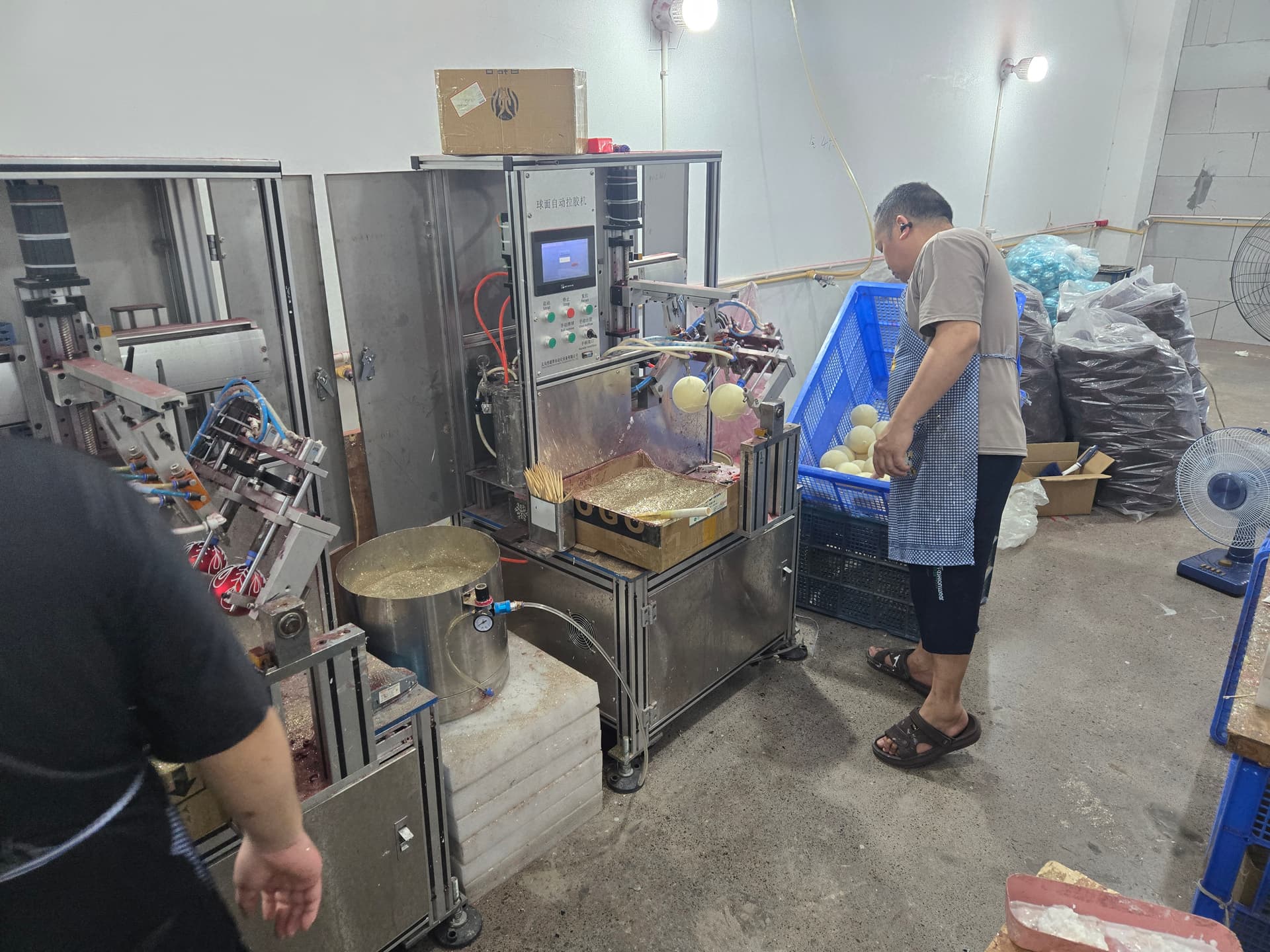
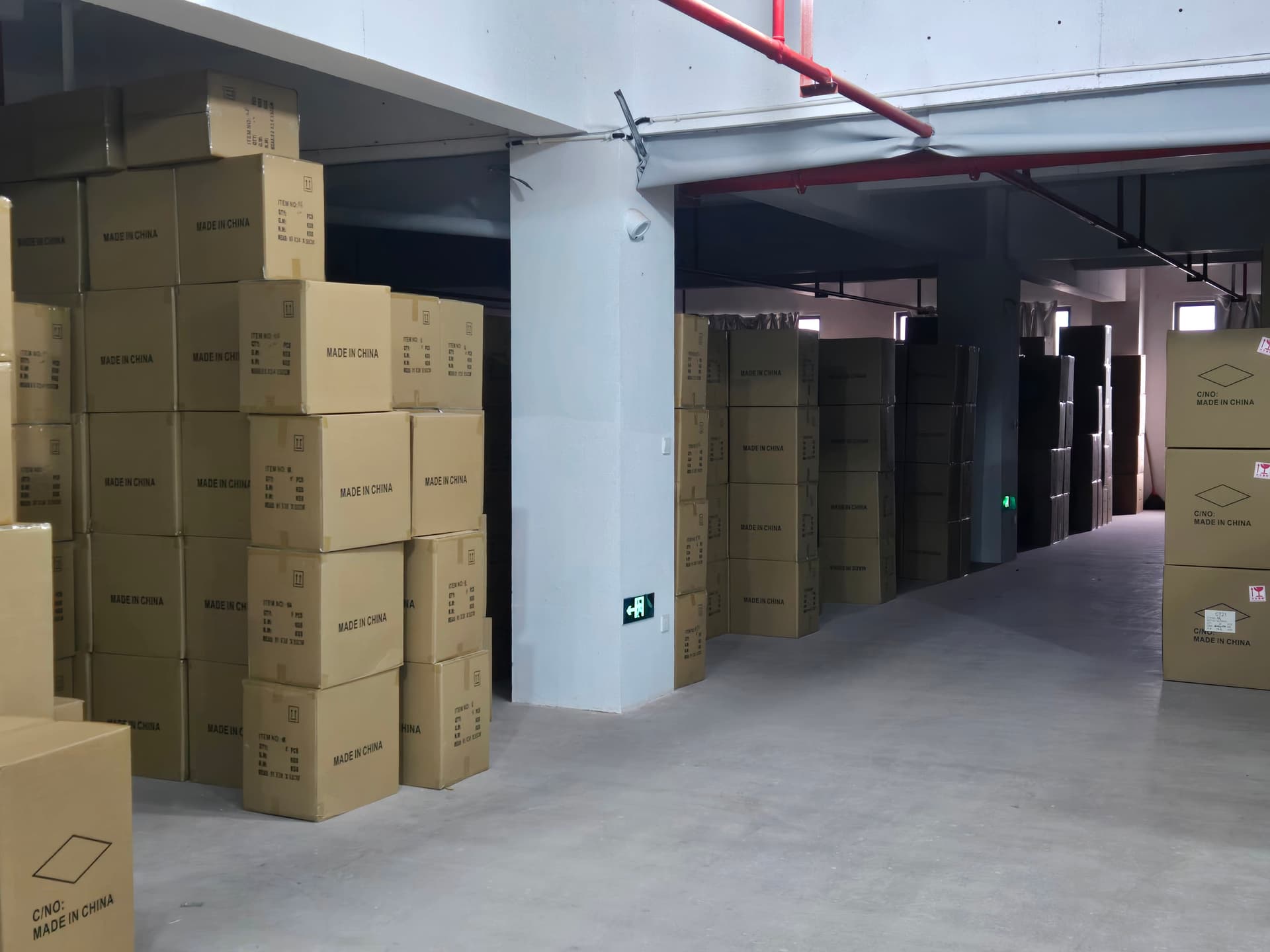
Hand decoration covers lustre accents, hand-painted details, interior scenes, ribbon ties, and gift-set presentation labor that line-finishing alone cannot deliver. Craft stations work to signed finish boards; deviations trigger hold-and-review before inner pack. Premium doors reserve craft time for limited SKUs while volume sizes run on line-finished resin—document that split at RFQ so vessel planning is honest. private label Christmas ornaments · OEM Christmas ornaments
Hand-stringing, bow attachment, and set assembly for retail gift boxes often happen on separate packing lines from bulk coating. OEM private-label programs should confirm whether hand work is in scope for quoted MOQ and lead time—not assumed as included in unit FOB.
For private-label and OEM programs, finish approval locks pigment sources and cap metallization before bulk coating opens. Repeat seasons on approved platforms shorten lead times when tooling and packaging dielines are already signed.
Craft labor scales with SKU count, not only piece count. A twelve-SKU gift wall with hand-painted accents on every size consumes more station hours than a four-color resin volume wall on line finish alone—merchandising should document craft intensity per SKU so MOQ and lead-time quotes reflect station allocation.
Ribbon ties, interior scene inserts, and branded hang tags add assembly steps that bulk egg-crate export lines skip. Confirm which presentation elements are in scope at RFQ so quoted MOQ includes packing-station labor, not only coating throughput.
Quality control through the manufacturing process
Wholesale MOQ bands, production capacity, channel economics, and FCL planning for seasonal programs are on our wholesale Christmas ornaments · wholesale Christmas ornaments manufacturers
Quality control in ornament manufacturing is a chain of hold points—not a final AQL photo at the dock. Glass programs need clarity checks, coating adhesion review, and hang-balance verification. Resin lines add impact and UV-coat tests when vendor manuals require them. Batch travelers should tie coating lots to master cartons so your QA partner traces a distribution-center complaint back to production.
Pilot-to-bulk comparison under controlled lighting is the gate that protects bulk release. Importers who skip it inherit markdown risk when coating subtly drifts from the hero sample approved in a showroom. Third-party inspection can witness pilot checks and pre-shipment review on qualified programs when vendor manuals require independent verification.
Material-specific AQL criteria matter when programs mix glass heroes with resin volume SKUs—applying glass fragility protocols to shatterproof lines wastes inspection budget; applying resin impact criteria to thin glass lustre bands misses breakage risk.
| QC gate | Glass focus | Resin focus |
|---|---|---|
| Intake / forming | Clarity, wall thickness, hang point | Shot weight, cavity wear, flash |
| Coating pilot | Adhesion, interior wash match | UV coat, color consistency |
| Cap / hang | Torque, metallization match | Clip impact, hang weight |
| Inner pack | Partition drop fit | PDQ density, hang balance in tray |
| Pre-shipment | AQL sample per lot | Impact spot checks per SKU |
- Pilot-to-bulk finish comparison under controlled lighting
- Coating lot trace and cap torque records before inner pack
- Inner-pack drop-fit photos tied to SKU context
- Carton mark verification against commercial invoice
- Pre-shipment evidence formatted for vendor portals when required
Third-party inspection and vendor portals
Third-party inspection can witness pilot comparison and pre-shipment review when vendor manuals require independent verification—but inspectors need the same finish masters and inner-pack specs merchandising signed at pilot. Sending an inspector without archived masters produces pass/fail noise that does not protect bulk release.
Vendor portals for major retail doors increasingly require coating lot trace, hang-balance photos, and carton-mark alignment before distribution-center appointment. Structure RFQs to request production-intent evidence at pilot approval so bulk inherits the same checklist.
When programs mix glass heroes with resin volume SKUs, specify separate acceptable-quality-level notes per material. Applying glass fragility protocols to shatterproof lines wastes inspection budget; applying resin impact criteria to thin glass lustre bands misses breakage risk at receiving.
Packaging and export staging
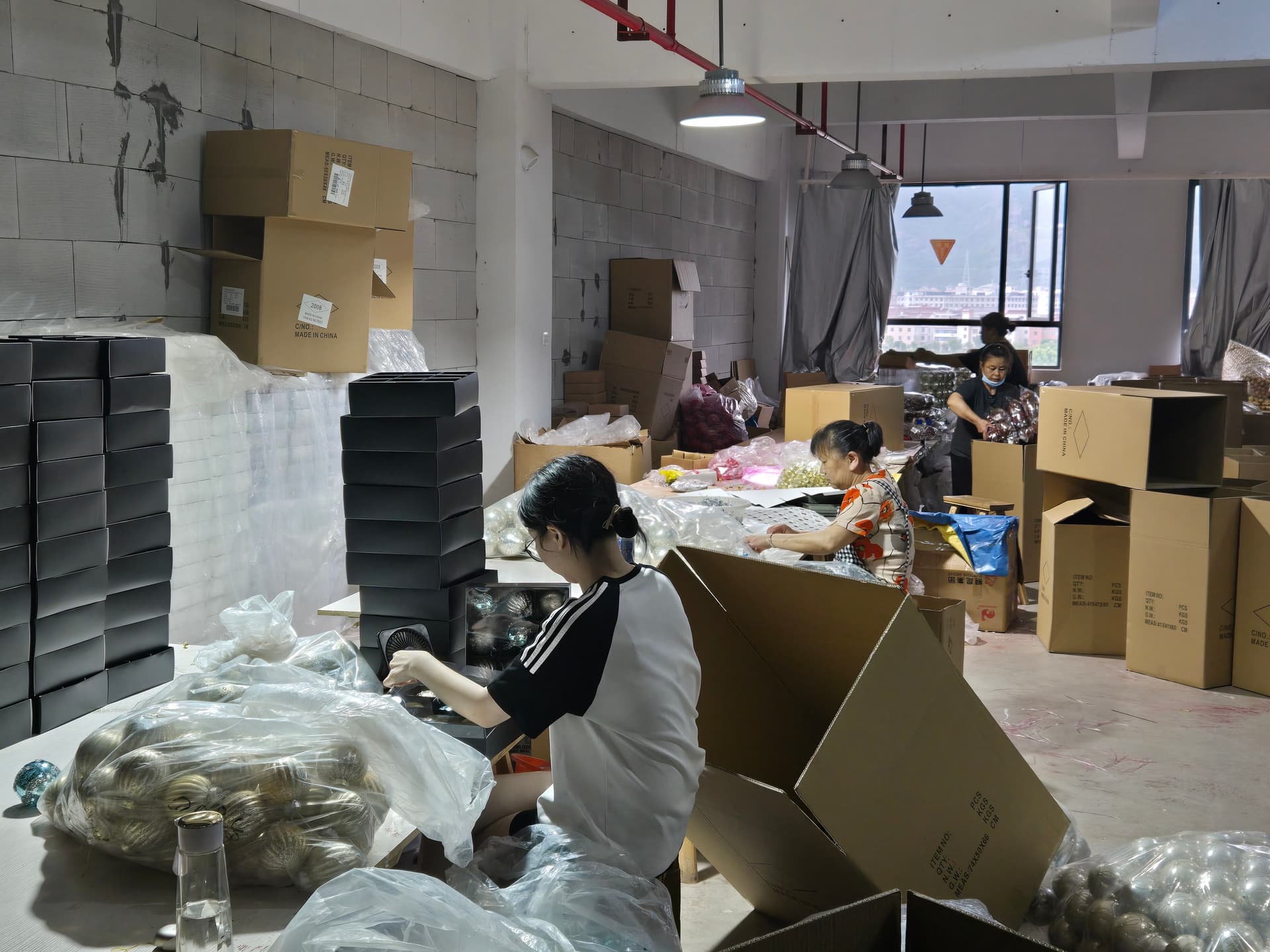
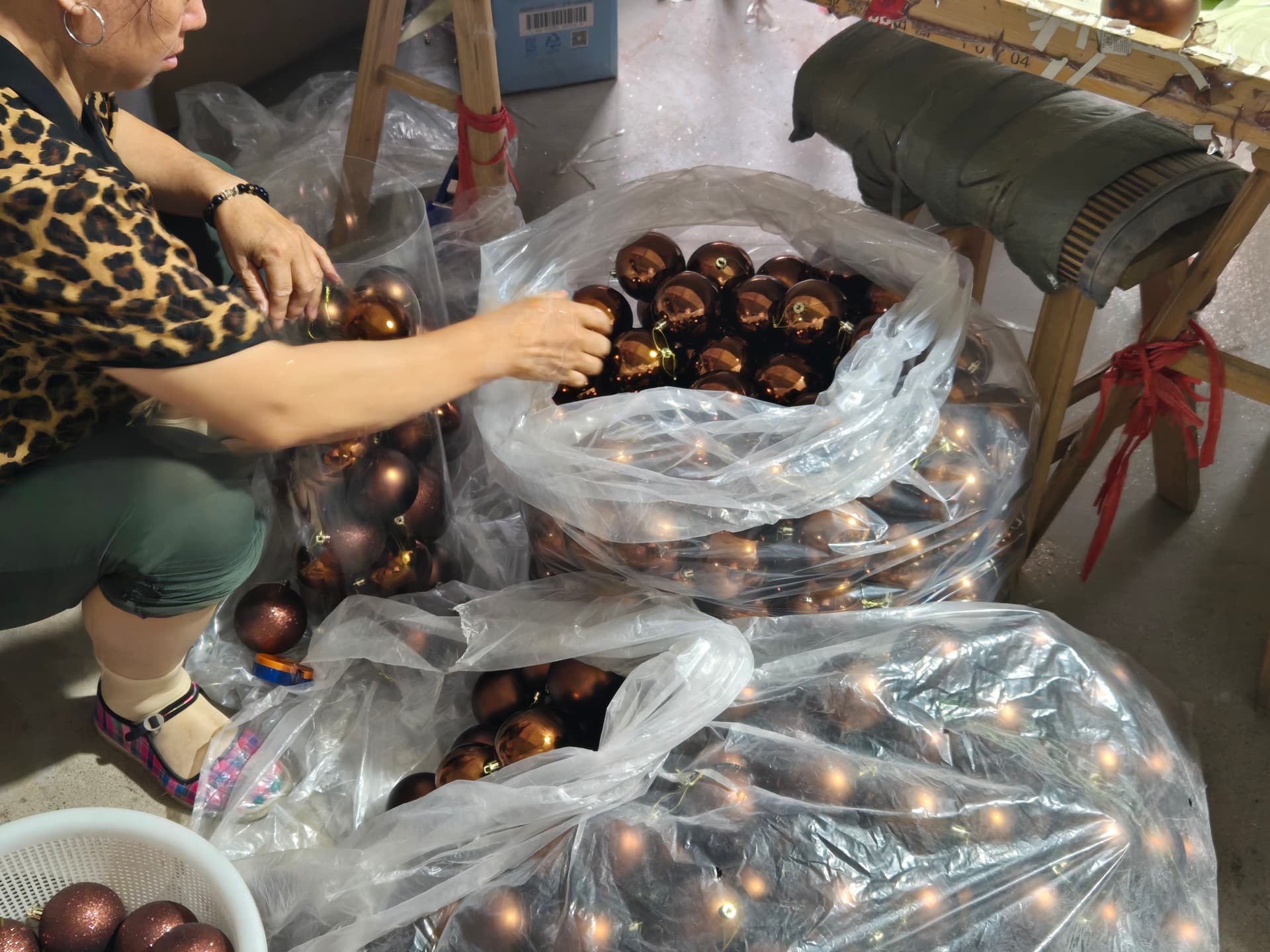
Packaging engineering defines distribution outcomes as much as coating quality. Partitioned inners, foam-fit gift boxes, PDQ layouts, and corner-protected masters must survive your forwarder lane and distribution-center handling. Request drop-test photos at pilot when vendor manuals specify fixture-height drops or conveyor transfers. contact Shuanglin Crafts
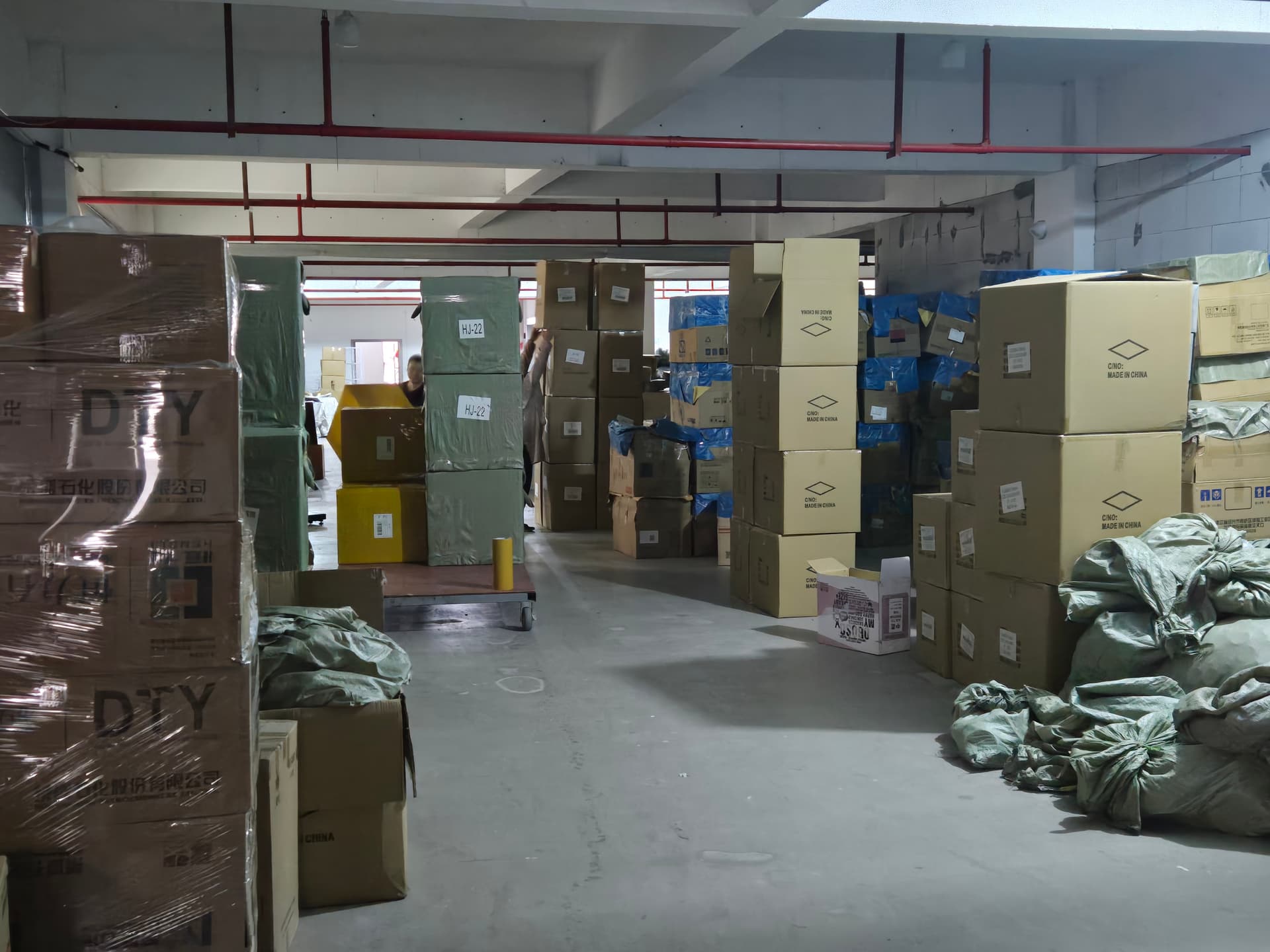
Export staging aligns production release with nominated ocean bookings. FOB discipline keeps commercial invoice, packing list, and carton marks coherent for US and EU import desks. Pallet photos and GS1-friendly symbology should be approved before vessel when programs are new.
Moisture management and carton stacking limits should be confirmed with your forwarder when programs ship through humid summer peaks—especially for glass partition inners where condensation can affect coating perception at receiving.
Inner-pack engineering varies by material: glass partition trays need cell depth and drop-fit tolerance; resin PDQ shippers need hang-balance verification when ornaments face forward in club fixtures. Pilot lots should use production-intent partitions—not showroom foam that bulk cannot replicate at scale.
Master carton dimensions drive FCL cube and MOQ economics. Wider gift boxes may reduce pieces per pallet layer, pushing importers toward higher MOQ or split vessels. Packaging should be modeled with forwarder stack limits before merchandising locks set counts.
OEM process within ornament manufacturing
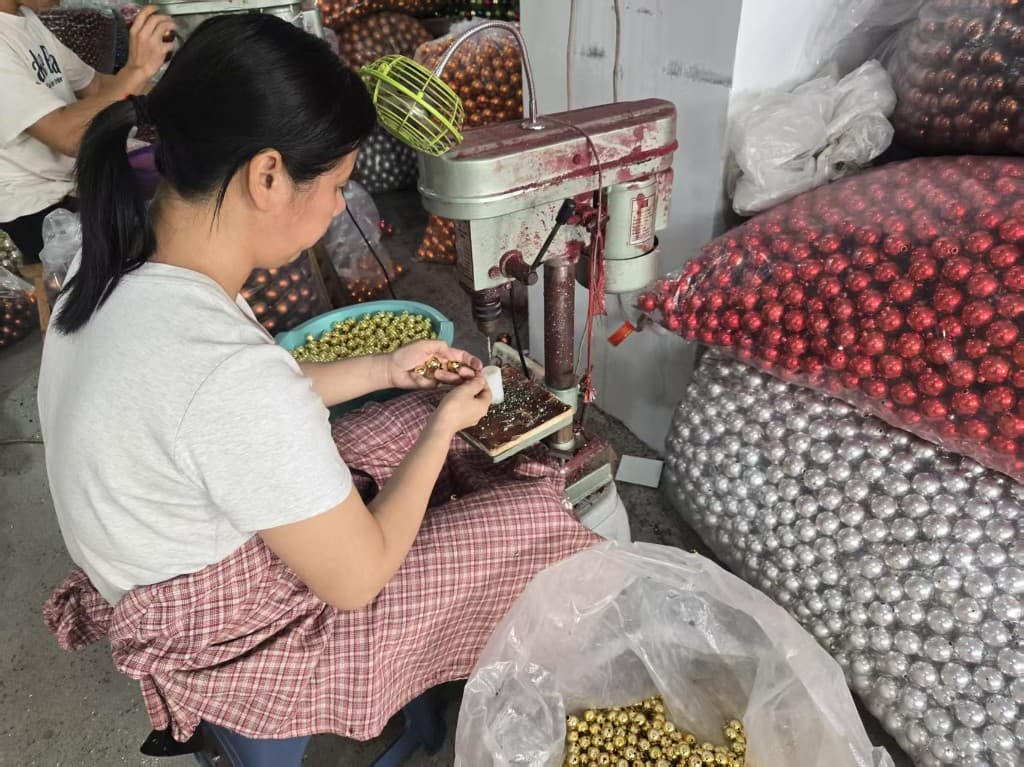
The OEM process embeds custom geometry, branded caps, retail dielines, and private-label finish families into the same manufacturing gates as catalog production—with additional milestones for tooling, dieline approval, and compliance attachments. Structured OEM development moves from program brief through tooling quote, pilot lot, finish approval, packaging sign-off, bulk coating, QC documentation, and FOB release. OEM development process · custom Christmas ornaments · private label Christmas ornaments
New OEM platforms often require ninety to one hundred twenty days to first vessel including sampling and tooling. Repeat seasons on approved molds and dielines may ship in forty-five to sixty days when masters and inner packs are unchanged. Finance review should model three-year carry-forward scenarios—not only maiden-order economics.
ODM catalog platforms help buyers launch seasonal walls quickly while OEM heroes carry proprietary shapes or packaging. Confirm whether ODM SKUs share the same QC travelers as OEM private-label lines before you commit MOQ.
OEM milestone payments should tie to pilot approval, packaging sign-off, and pre-shipment release—not arbitrary calendar deposits. Finance teams need visibility into which gates unlock bulk coating so merchandising does not pressure production before masters are signed.
Private-label retail copy, barcode placement, and compliance stickers add packing-station steps beyond catalog bulk export. Document whether hang tags, belly bands, or window-box inserts are factory-assembled or DC-applied so MOQ and labor quotes align with your vendor manual.
- Program brief with in-store date, ladder, finishes, and compliance scope
- Tooling and dieline quotes with ownership terms documented
- Pilot lot with production-intent inner packs and cap systems
- Finish and packaging sign-off under controlled lighting
- Bulk coating window with coating lot trace archived
- Pre-shipment inspection and FOB release with pallet photos
| Manufacturing stage | Typical duration | Buyer deliverable |
|---|---|---|
| Brief & tooling quote | 5–15 business days | Ladder, finishes, packaging tier, market |
| Strike / pilot sampling | 10–21 days glass · 12–16 resin | Signed finish masters, inner-pack approval |
| Bulk production | 35–70 days after pilot | Batch travelers, coating lot IDs |
| New OEM tooling to vessel | 90–120 days | Tooling ownership, milestone payments |
| Export staging & FOB | 5–10 days post-QC | Invoice-aligned marks, pallet photos |
Seasonal capacity and production windows
Christmas ornament manufacturing is seasonal infrastructure—coating bays, craft stations, and export staging compress between Q2 vessel peaks and North American Q4 resets. Importers who reverse-engineer from in-store date through distribution-center receiving, ocean transit, export staging, bulk coating, and pilot sampling avoid the mid-summer booking cutoffs that punish late RFQs. B2B sourcing blog · MOQ Christmas ornaments explained
Spring sampling windows—March through May for many North American programs—leave room for pilot rework before bulk coating opens in early summer. Late RFQs that skip pilot comparison to save calendar often pay air-freight recovery or accept coating drift that markdown risk cannot absorb.
Repeat-season buyers with archived molds, dielines, and finish masters can compress lead time because tooling gates are largely sunk. New OEM platforms should budget ninety to one hundred twenty days to first vessel including sampling—not forty-five days because a trader promised fast turnaround without naming coating bays.
Capacity conversations should happen before creative locks photography: coating bays book sequentially through Q2, and craft-heavy SKUs queue behind club resin walls already nominated for vessel windows.
What importers should document before allocation
Map your assortment to manufacturing reality before photography locks: which SKUs need craft stations, which finishes share pigment sources, which packaging tier drives dieline MOQ, and which compliance attachments your vendor portal requires at pilot approval. Pair this manufacturing overview with our MOQ explainer, supplier checklist, and import playbook before you place seasonal allocation. import Christmas ornaments from China · how to choose a Christmas ornament manufacturer · B2B sourcing blog · MOQ Christmas ornaments explained
Glass ornament finish families, clarity QC, and export specifications are documented on our glass Christmas ornaments
The export desk can walk through documented factory capability against your brief once ladder, finishes, and packaging intent are defined—not after creative has frozen planograms without pilot records. Virtual line tours and structured pilots replace expensive first visits when evidence is formatted for your QA partner.
Document hang geometry, cap torque targets, and inner-pack drop heights in your RFQ so pilot lots test production intent—not showroom props. Repeat-season programs benefit when finish masters, coating lot IDs, and pallet photos archive under one program folder your import desk can access at receiving.
Next steps with Shuanglin Crafts
Ready to scope a program? Request a factory quote with your assortment ladder and vessel dates, get our product catalog for finish families and MOQ bands, or send OEM requirements if you need custom caps, packaging, or private-label tooling. Request a factory quote · Get product catalog · Send OEM requirements
You can also review our production setup on the factory page or message the export team through contact when you need lead times confirmed before allocation. Factory tour · Contact export desk
Frequently asked questions
What are the main steps in the Christmas ornament manufacturing process?
Typical flow: material intake and forming, interior/exterior coating, cap assembly and metallization, craft and hand decoration where required, QC hold points, inner pack, master carton, and FOB export staging—with pilot approval before bulk coating opens.
How long does the full manufacturing process take?
Pilot sampling often runs 10–21 days for glass and 12–16 days for resin after brief confirmation. Bulk production typically ships in 35–70 days depending on finishes; new OEM tooling may require 90–120 days to first vessel.
What is the difference between glass and resin ornament manufacturing?
Glass emphasizes clarity inspection, fragile partition inners, and reflectivity heroes; resin emphasizes impact resistance, consistent hang weight, and higher per-color volume MOQ for club efficiency. Mixed walls need one palette document across materials.
When does hand decoration happen in production?
Hand decoration runs on craft stations after base coating—lustre accents, hand paint, flock, and gift-set assembly labor. Premium SKUs are scheduled separately from line-finished volume ornaments.
What QC should importers require during manufacturing?
Pilot-to-bulk finish comparison, coating lot trace, cap torque records, inner-pack drop-fit photos, and pre-shipment evidence formatted for vendor portals—not showroom samples alone.
How does OEM change the manufacturing process?
OEM adds tooling, dieline approval, branded caps, and compliance attachments with milestone gates before bulk. Repeat seasons on approved platforms shorten lead time when masters are archived.
Why do glitter and specialty finishes affect lead time?
Micro-glitter, flock, and high-lustre bands need longer curing and craft allocation than matte resin volume lines—merchandising calendars must reflect curing windows, not only coating throughput.
What packaging steps follow production?
Inner pack fit check, retail box or bulk carton assembly, master carton marking, pallet staging, and FOB release with photos aligned to commercial invoices.