Christmas Ornament Pantone Color Matching — overview for wholesale buyers
Importers sourcing Pantone and master-sample color matching for ornament coatings often discover gaps at pre-shipment inspection: inner packs that never faced drop tests, coating drift between pilot and bulk, or carton marks that do not match the commercial invoice. merchandising palettes and coating lot traceability is where those failures become expensive—especially for Christmas ball programs where spherical stress points and hang geometry amplify transit damage. wholesale product catalog · request a factory quote
Shuanglin Crafts supports wholesale buyers with finished ornament platforms, OEM development, factory tours, and direct export desk contact—use the links below when you are ready to move from research to sampling. product catalog · OEM program overview · factory tour · contact the export desk
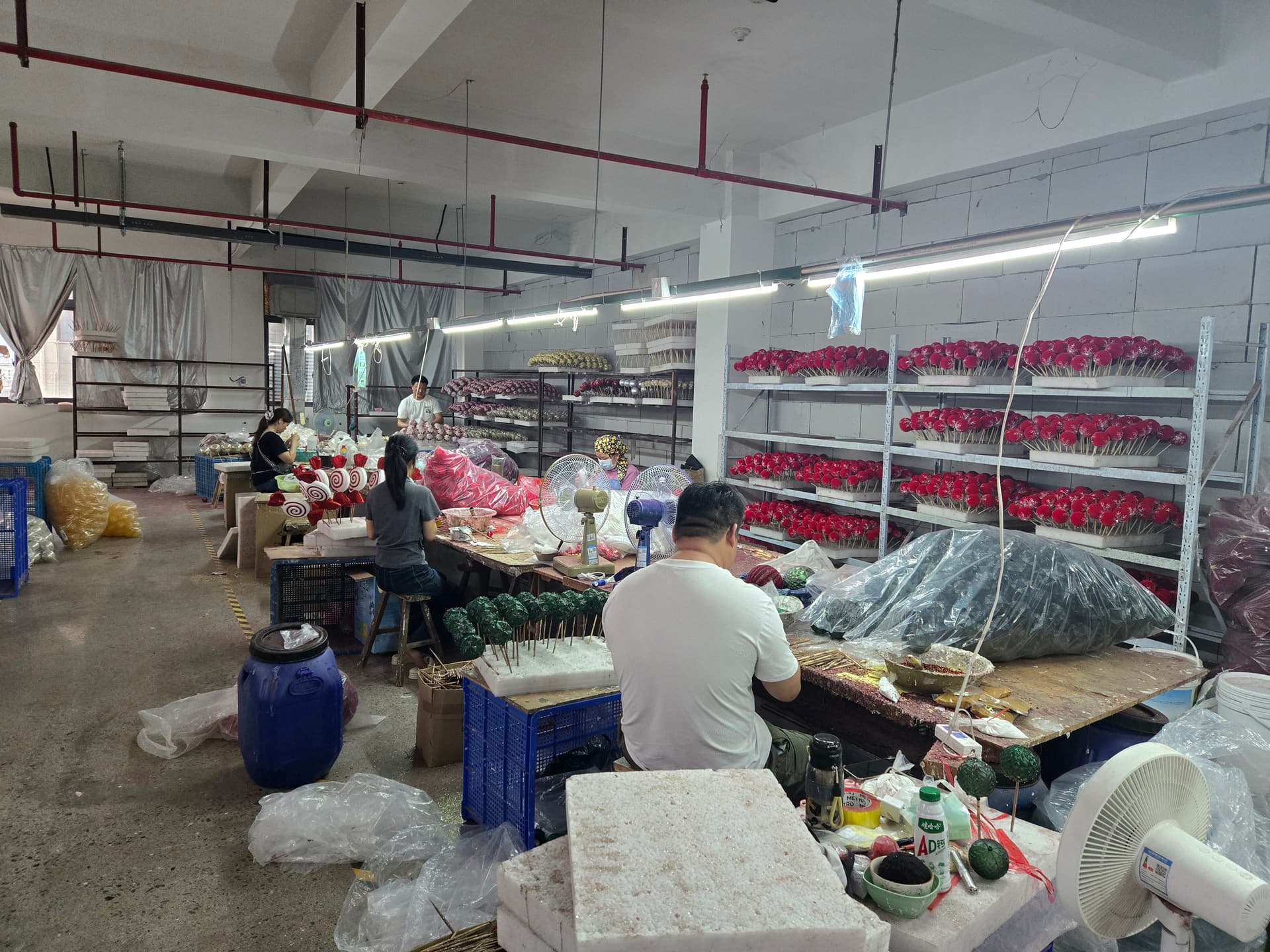
A focused Christmas ornament manufacturer separates ball-native production from general décor repackers. That means Pantone and master-sample color matching for ornament coatings is documented with the same rigor as lustre matching and cap metallization: signed masters, lot-locked pigments, and evidence your QA partner can audit. Pair this overview with our MOQ guide and supplier checklist before you compare factory quotes.
Whether you run glass hero SKUs, resin volume walls, or OEM private-label sets, the principles below apply to every serious wholesale program. Attach vendor manual excerpts when available so material choice and packaging assumptions align with enforceable channel requirements—not with showroom samples alone.
Forwarder lanes and summer humidity peaks interact with merchandising palettes and coating lot traceability: carton cube, stack height, and inner-pack design matter as much as unit price when ornaments travel FOB from coastal China to US and EU distribution centers.
How factories execute Pantone and master-sample color matching for ornament coatings

For factory experience, OEM capability, showroom access, and export programs beyond this topic, see our Christmas ornament manufacturer · OEM Christmas ornament development
Production gates importers should audit
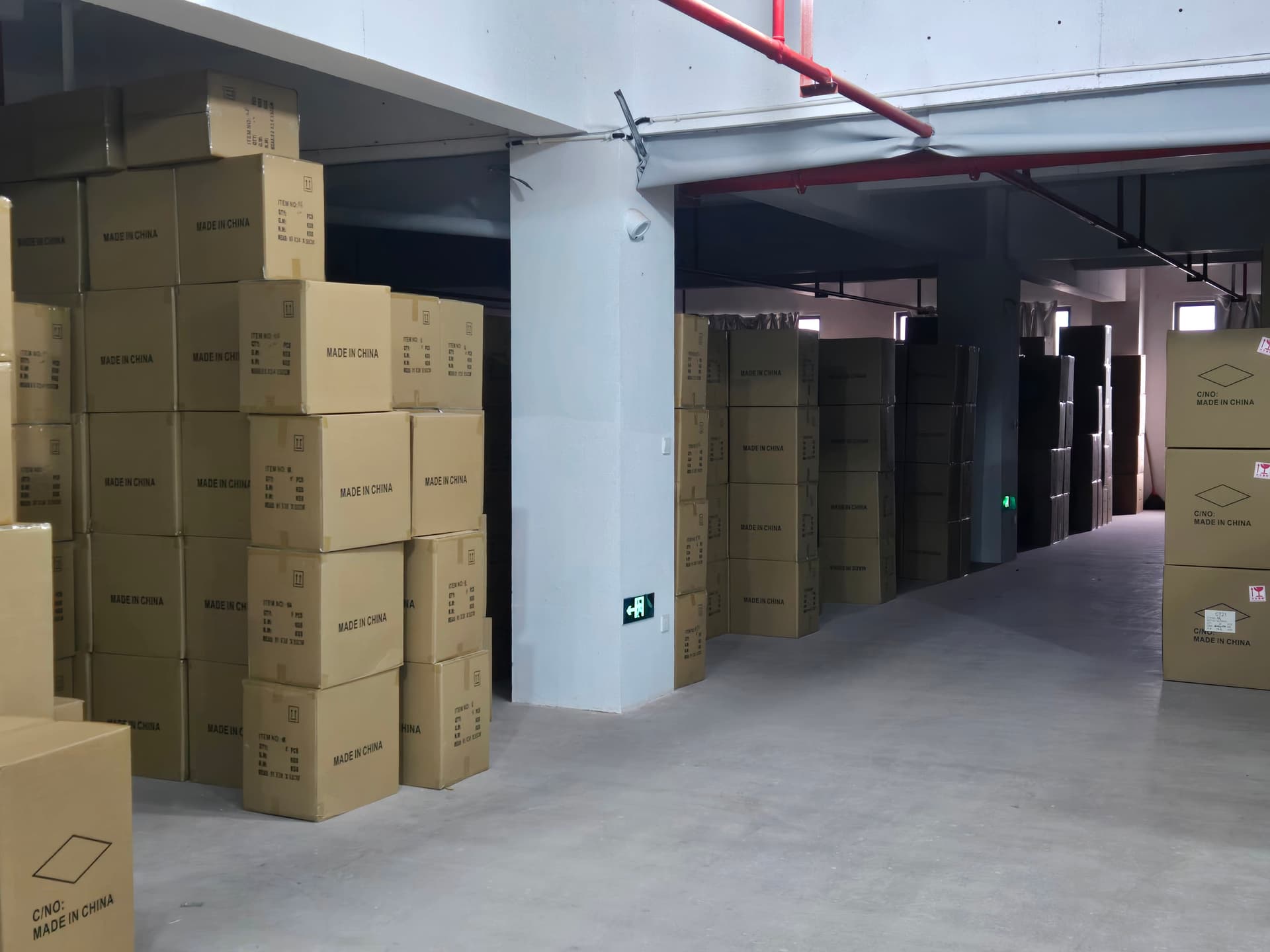
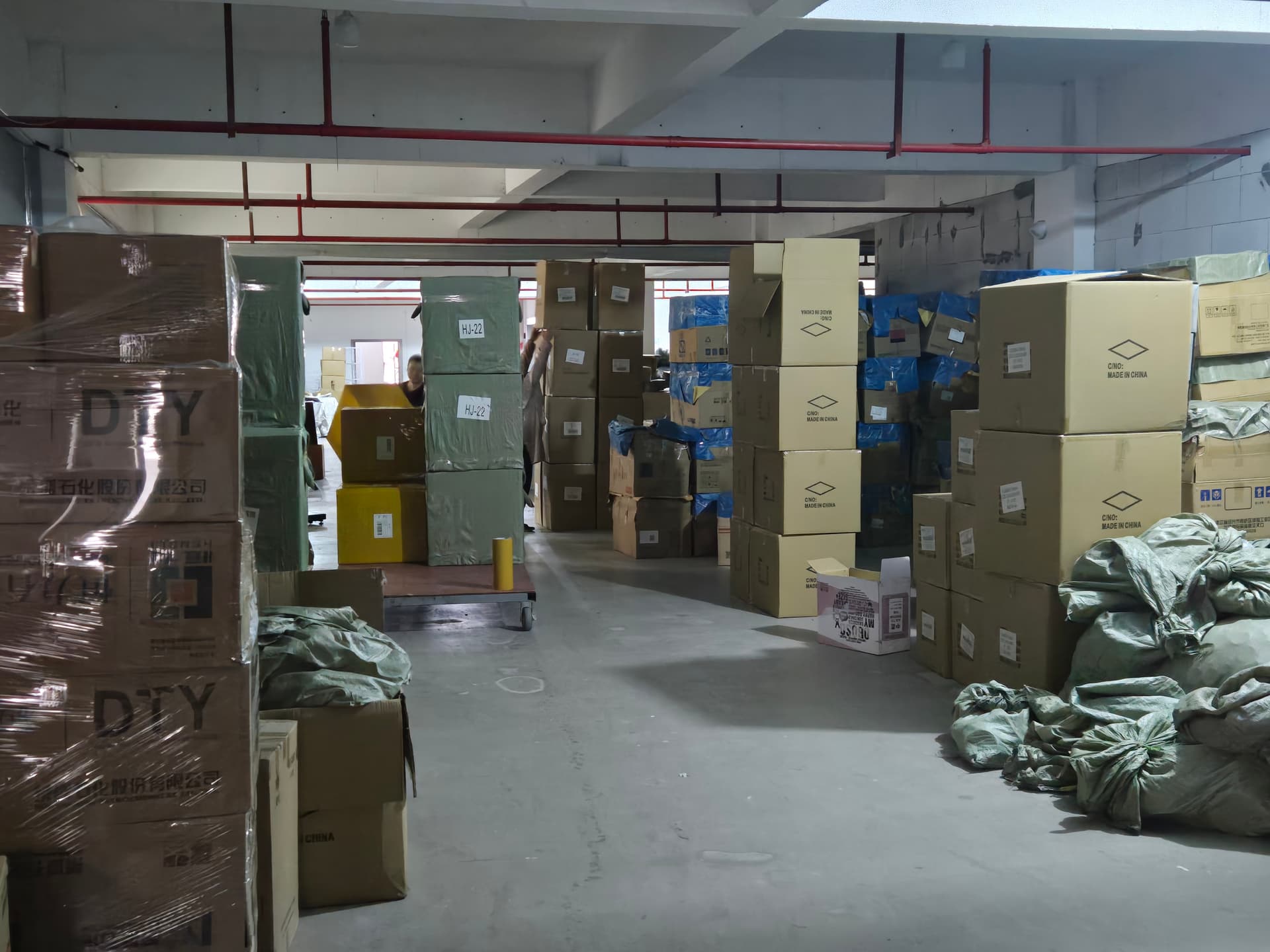
Buyers who treat Pantone and master-sample color matching for ornament coatings as a marketing footnote often pay twice: first in rushed sampling, then in DC claims. Importers should request pilot lot photos under controlled lighting, inner-pack drop-fit images, and pallet staging shots tied to master carton labels—not aggregate factory tour pictures without SKU context.
Lot-locked color matching means bulk coating uses the same pigment sources approved on the pilot, with hold-and-review when deviation appears. merchandising palettes and coating lot traceability depends on that discipline when fixtures combine multiple sizes and materials under one palette document.
Mixed glass-and-resin color walls are common in OEM development: hero reflectivity at eye level with shatterproof volume at basket-fill price points. Merchandising must flag material per SKU so inspectors apply glass fragility criteria to heroes and impact protocols to resin volume—not a single generic AQL sheet.
Line changeovers between finish families consume calendar days merchandising teams often omit from timelines. Document which colors share pigment sources and which require isolated runs so bulk scheduling reflects reality.
Hand-finishing stations handle lustre bands, hand paint, and flock accents that line coating cannot replicate. Flag craft SKUs in the brief so export desks quote realistic bulk windows instead of volume-glass timelines.
Sourcing strategy for retail and import desks
Retail private-label teams should align Pantone and master-sample color matching for ornament coatings with photography and planogram calendars before factory sampling begins. When creative selects finishes from a different material than merchandising specified, pilots fail late and bulk windows compress into air-freight recovery. Document hero versus volume SKUs explicitly in the assortment brief. glass Christmas balls wholesale · plastic Christmas ornaments
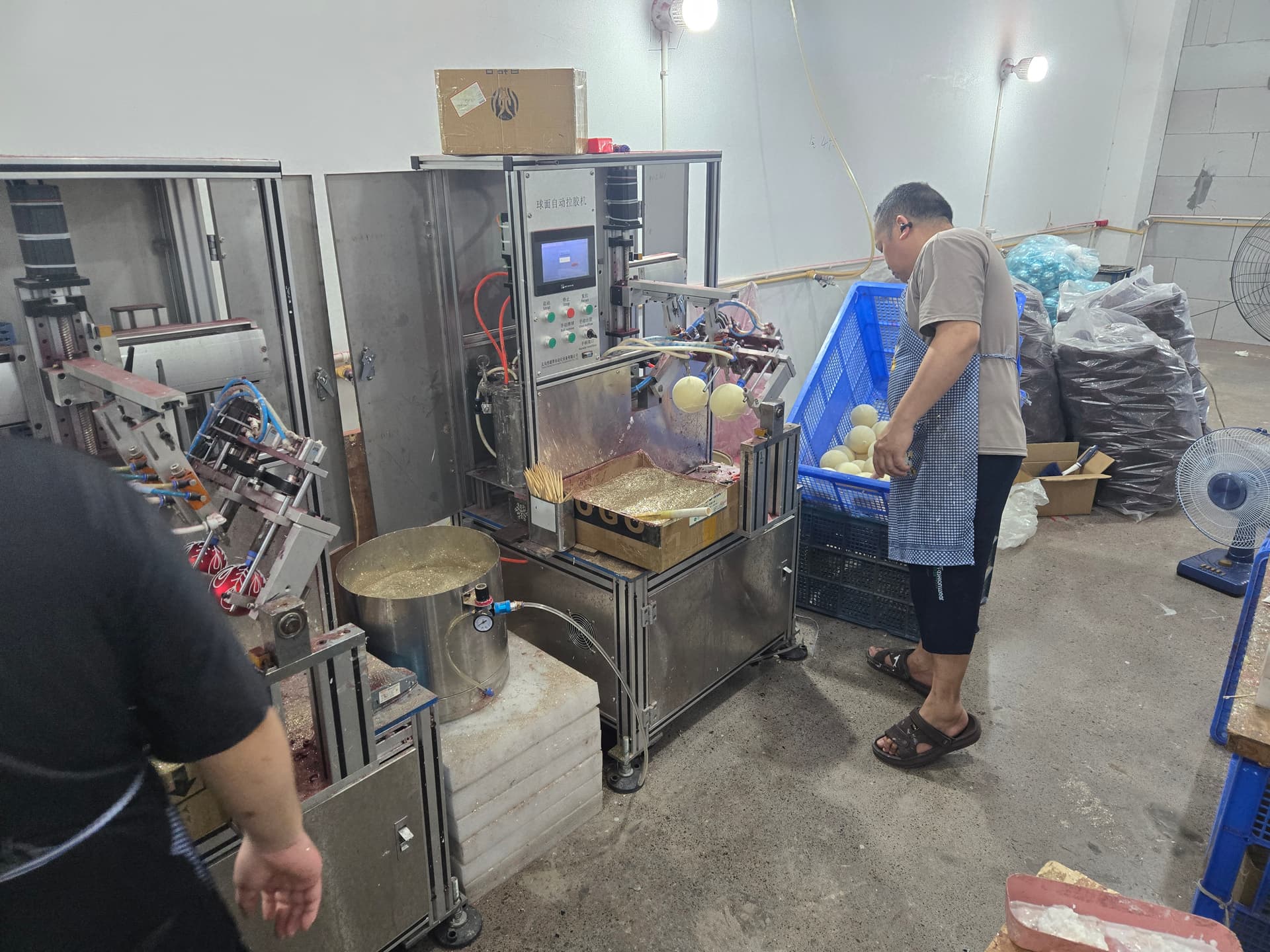
Distributors comparing multiple Christmas ornament manufacturers should score suppliers on batch traceability and inner-pack evidence—not on whichever quote arrives first without partition assumptions. merchandising palettes and coating lot traceability is a useful lens for vendor scorecards because it ties factory behavior to DC outcomes your import desk must defend.
E-commerce programs amplify finish perception: glass reflectivity sells hero images while controlled matte resin reads clean in grid views when glitter is not over-applied across entire walls. Match material choice to primary sales channel before coating bays open, not after marketing selects images from another platform.
Club and hospitality channels may mandate shatterproof resin for liability reasons even when merchandising prefers glass reflectivity on shared palette documents. Mixed walls can work when coating sources are lot-locked and inspectors receive per-SKU checklists at pilot approval.
MOQ, lead time, and export operations
MOQ and lead time for programs touching Pantone and master-sample color matching for ornament coatings should be quoted with inner-pack assumptions—not abstract per-piece minimums. Glass Christmas balls wholesale often starts around 3,000–5,000 pieces per finish; shatterproof resin volume may scale at 8,000–10,000+ per color for club efficiency. Mixed-container economics improve when set architecture and partition density are confirmed before creative locks planogram counts. wholesale product catalog · request a factory quote
Sampling windows typically run 10–21 days for glass pilots and 12–16 days for resin, with bulk production often shipping in 35–70 days depending on finishes and vessel peaks. Reverse-engineer nominations from your in-store date; mid-summer booking cutoffs for North American resets are unforgiving when craft-heavy SKUs need longer curing.
Export desks should align commercial invoice, packing list, and carton marks before vessel departure. merchandising palettes and coating lot traceability includes forwarder-ready pallet photos and GS1-friendly symbology when retail doors require scanning consistency. FOB discipline keeps risk transfer clear; compare Incoterms in our FOB vs CIF guide when your team debates freight and insurance ownership.
Packaging, compliance, and DC receiving
Packaging engineering intersects directly with Pantone and master-sample color matching for ornament coatings. Partitioned inners, foam-fit gift boxes, PDQ layouts, and corner-protected masters define distribution outcomes as much as coating quality. Request drop-test photos at pilot when vendor manuals specify fixture-height drops or conveyor transfers. Christmas ornament factory
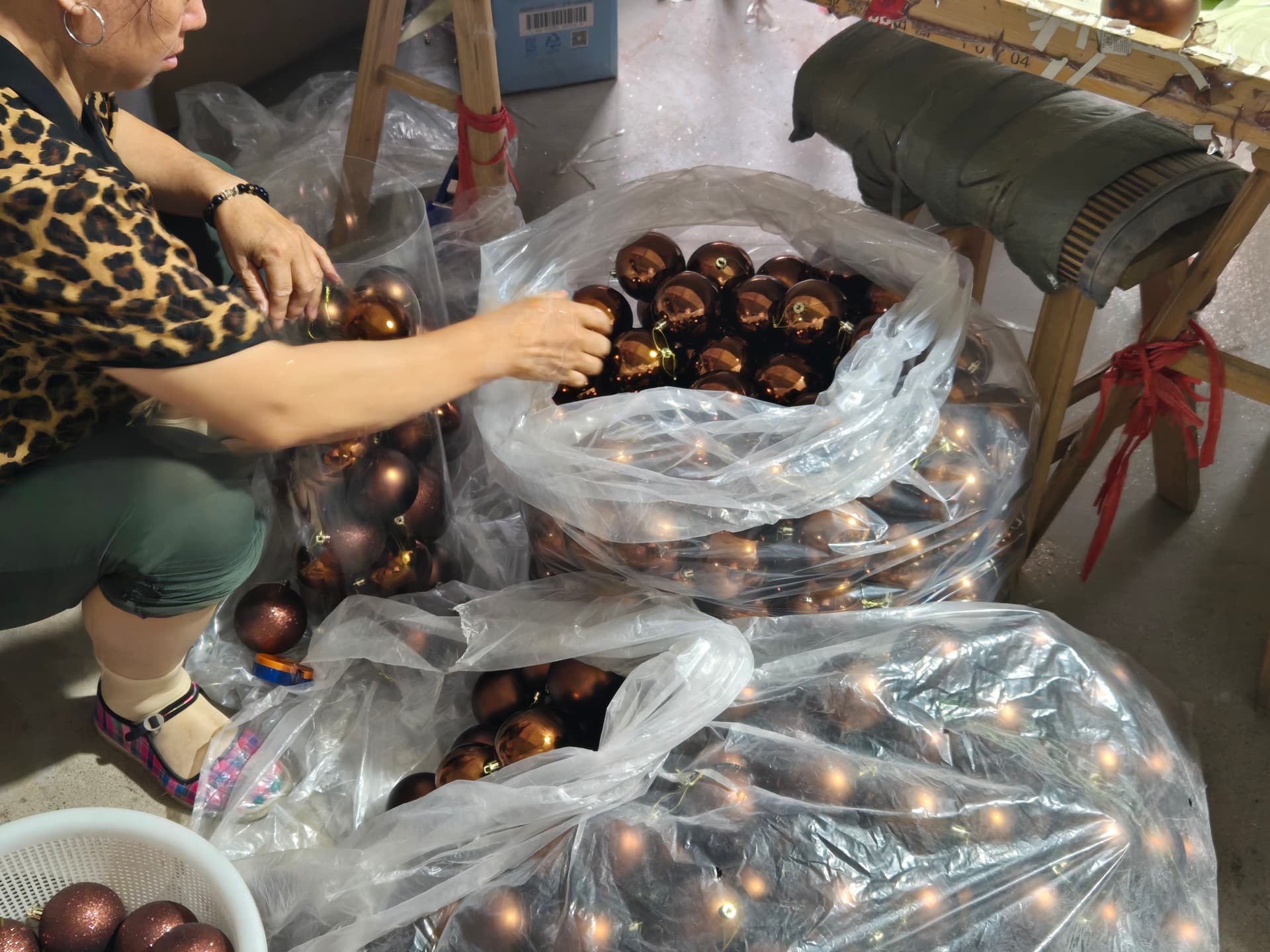
Factory-direct supplier vetting and wholesale sourcing checklists appear on our Christmas ornament supplier · wholesale Christmas ornaments manufacturers
EU and UK programs may require multilingual copy, material declarations, and substance lists per SKU—not one generic sheet for an entire color wall. merchandising palettes and coating lot traceability should be reflected in compliance packets before bulk release so vendor portals accept evidence without last-minute air-freight delays.
Retail packaging upgrades change MOQ and lead time: rigid window boxes and tissue inserts add craft and packing labor that bulk egg-crate export does not. Merchandising should lock packaging tier at sampling so factory quotes remain valid through seasonal allocation.
OEM / ODM programs and repeat seasons
OEM and ODM Christmas ornament programs embed Pantone and master-sample color matching for ornament coatings into tooling, sampling, and repeat-season archives. New shapes and retail dielines often need ninety to one hundred twenty days to first vessel; approved platforms may ship in forty-five to sixty days when masters and inner packs are unchanged. OEM development process · OEM Christmas ornaments
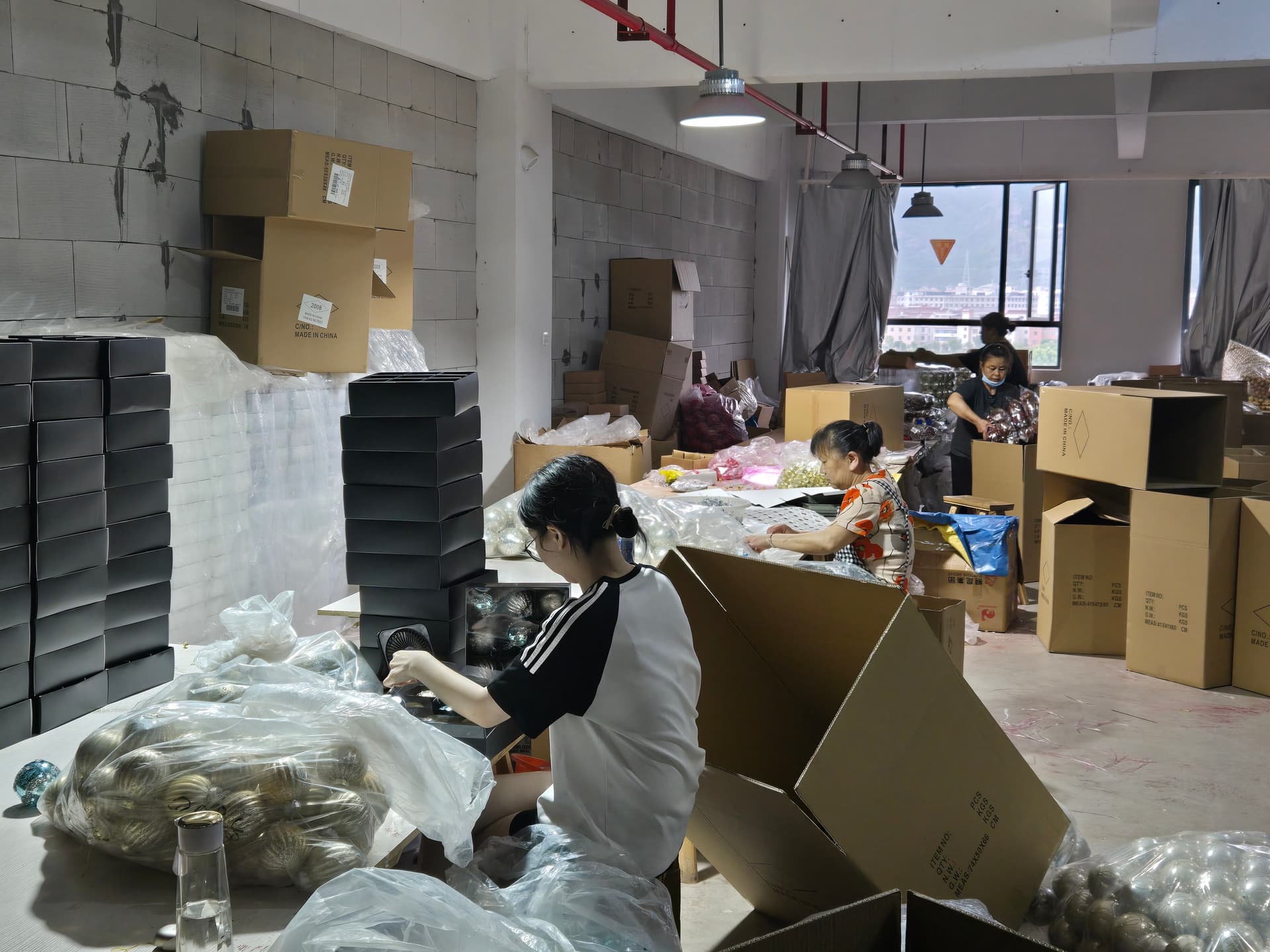
Private-label gift sets combine merchandising palettes and coating lot traceability with presentation packaging, cap metallization, and set-count MOQ coordinated across SKUs. Lock finish boards and box dielines at pilot so bulk production inherits the same pigment sources and partition geometry your photography team approved.
Brand holders should visit our OEM process page and OEM product line specifications when briefs include custom caps or mixed-material walls. The export desk maps realistic sampling windows only when ladder, finishes, and packaging intent arrive in the first RFQ—not after creative freezes photography.
2026 merchandising and compliance trends
Seasonal trends for 2026 emphasize fewer, deeper color stories rather than scattered low-MOQ SKUs that factories cannot coat efficiently. Pantone and master-sample color matching for ornament coatings supports that shift when buyers share ladder architecture early and resist last-minute SKU additions that require isolated coating runs. luxury Christmas decorations
Sustainability questions—recycled resin content, low-VOC coats, EU marketing claims—belong in the RFQ with SKU-level material declarations. Factories cannot invent compliance language after bulk; importers should attach vendor manual substance lists when available.
Premium doors continue investing in gift-box presentation and measured lustre rather than commodity shine. merchandising palettes and coating lot traceability helps merchandising justify longer lead times and craft allocation to finance teams comparing against generic décor bids.
What to send the factory in your RFQ
Use this checklist when you email the export desk: Target in-store date and reverse-engineered vessel window; Finish masters, Pantone references, or approved pilot photos; MOQ bands per colorway with inner-pack assumptions documented; Packaging dieline or bulk-export-only confirmation; Compliance attachments for EU/UK doors when applicable. Attach vendor manual excerpts for drop tests, hang-weight limits, and labeling so Pantone and master-sample color matching for ornament coatings is enforceable in production—not debated at the port. B2B sourcing blog · request a factory quote
Wholesale MOQ bands, production capacity, channel economics, and FCL planning for seasonal programs are on our wholesale Christmas ornaments · wholesale Christmas ornaments manufacturers
Cross-link factory capability with pantone color matching for christmas ornament wholesale programs planning: coating bays, craft stations, and pallet staging should be visible to your QA partner before seasonal allocation locks. Related articles below cover adjacent topics so your team does not rely on a single post for entire import playbooks.
Submit the inquiry form on our contact page with product line interest and MOQ targets. A ball-native Christmas ornament manufacturer should return quotes tied to documented gates—not catalog defaults that ignore merchandising palettes and coating lot traceability.
- Target in-store date and reverse-engineered vessel window
- Finish masters, Pantone references, or approved pilot photos
- MOQ bands per colorway with inner-pack assumptions documented
- Packaging dieline or bulk-export-only confirmation
- Compliance attachments for EU/UK doors when applicable
Next steps with Shuanglin Crafts
Ready to scope a program? Request a factory quote with your assortment ladder and vessel dates, get our product catalog for finish families and MOQ bands, or send OEM requirements if you need custom caps, packaging, or private-label tooling. Request a factory quote · Get product catalog · Send OEM requirements
You can also review our production setup on the factory page or message the export team through contact when you need lead times confirmed before allocation. Factory tour · Contact export desk
Frequently asked questions
Why does Pantone and master-sample color matching for ornament coatings matter for wholesale Christmas ornaments?
It connects factory QC, packaging, and export discipline to how your distribution center receives seasonal SKUs—reducing claims tied to undocumented assumptions.
What should importers document before bulk production?
Signed finish masters, inner-pack photos, coating lot traceability, and merchandising palettes and coating lot traceability criteria agreed at pilot—not showroom samples alone.
How do glass and resin programs differ for this topic?
Glass needs partition inners and clarity or adhesion gates; resin needs impact and hang-weight protocols. Mixed walls require per-SKU material declarations.
What MOQ bands are typical for Christmas ball factories?
Glass often starts around 3,000–5,000 pcs per finish; resin volume may run 8,000–10,000+ per color. OEM and packaging tiers change lowest viable lots.
Where can buyers review factory capability and product specs?
Tour our factory page, wholesale product catalog, and OEM development process, then submit an RFQ with your in-store date and ladder.