Christmas ornament distributor programs from factory to shelf
Christmas ornament distributor programs bridge factory output and retail or B2B shelf—yet many importers confuse distributor economics with retail buying or trading-layer markup without production control. A Christmas ornament distributor sources seasonal volume under documented MOQ, FCL cube plans, and QC gates that survive distribution-center receiving—not showroom samples that bulk cannot reproduce. Factory-direct distributor paths compress markup layers, preserve coating lot traceability, and align vessel windows with coating bay capacity importers must defend at vendor portal review. Christmas ornament distributor programs · wholesale Christmas ornaments manufacturers · import Christmas ornaments from China · MOQ Christmas ornaments explained · Costco Christmas ball supplier ultimate guide · Amazon wholesale Christmas ornaments ultimate guide
Shuanglin Crafts supports wholesale buyers with finished ornament platforms, OEM development, factory tours, and direct export desk contact—use the links below when you are ready to move from research to sampling. product catalog · OEM program overview · factory tour · contact the export desk
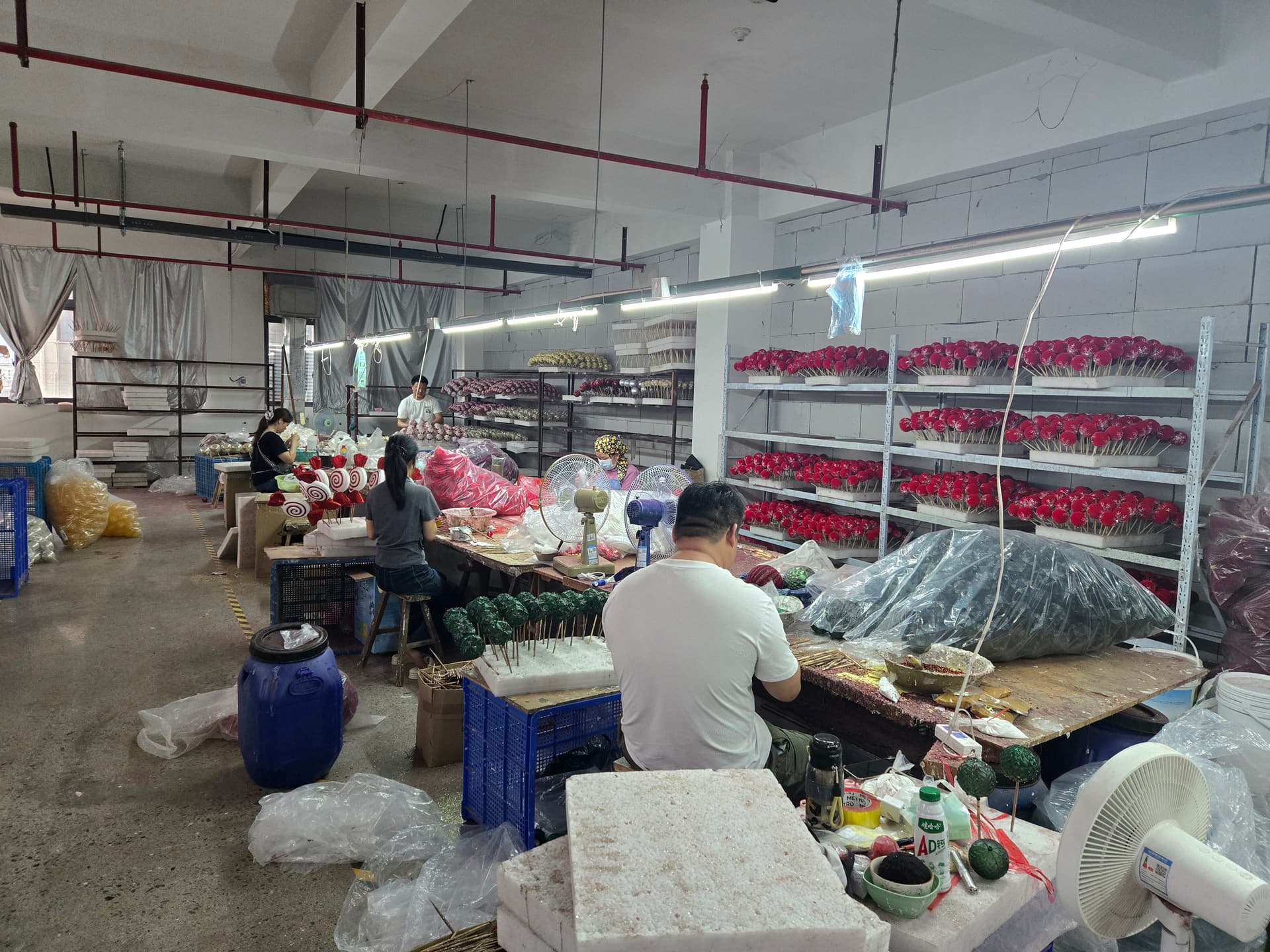
This pillar guide explains how Christmas ornament distributor programs work: factory-direct versus trader sourcing, MOQ and mixed-container planning, seasonal allocation calendars, import and FOB discipline, margin modeling, and QC evidence distributor networks need before bulk release. It is written for import desks, wholesale distributors, seasonal catalog operators, and B2B décor networks building 2026 programs—not for consumers buying single cartons.
Shuanglin Crafts supports distributor and importer programs with documented MOQ bands, batch travelers, export staging aligned to nominated vessels, and ODM catalog platforms alongside OEM private-label development. Use this guide with our MOQ explainer, import playbook, and wholesale manufacturers landing when you scope distributor allocation for your network.
Factory-direct distributor relationships outperform trader shortcuts when your network must defend coating quality at distribution-center receiving—batch travelers and inner-pack evidence are not optional extras on seasonal programs that scale across multiple retail doors.
Distributor, importer, and retailer: different economics
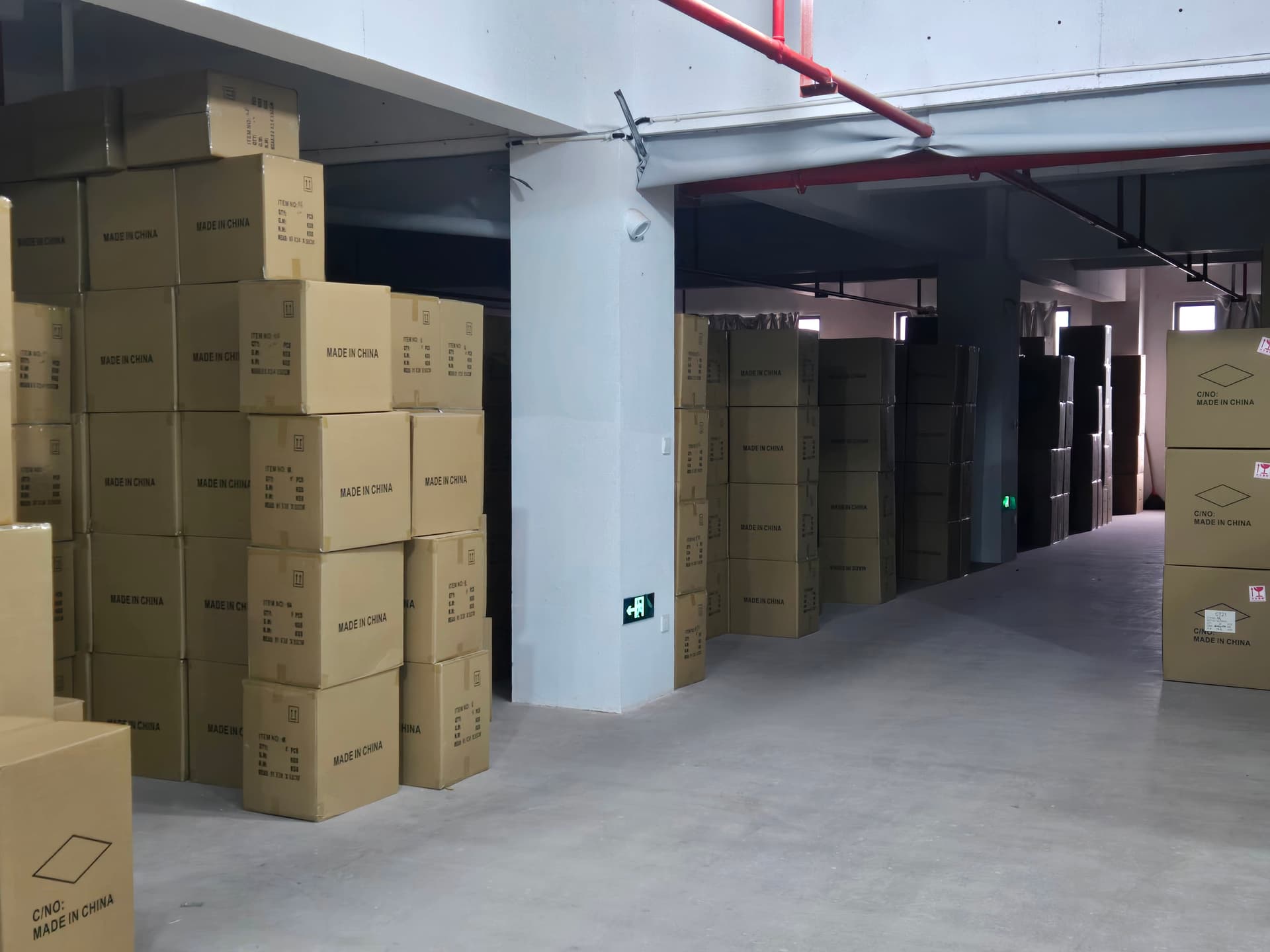
A Christmas ornament distributor buys factory volume for resale through retail doors, e-commerce channels, hospitality networks, or sub-distributor tiers—not for a single corporate store count. Distributor economics depend on MOQ amortization across multiple doors, FCL freight spread across thousands of pieces, and breakage or markdown reserve on glass programs. Retail private-label teams may share the same factory gates but optimize for one banner's planogram; distributors optimize for catalog breadth and landed margin across a network. Christmas ornament manufacturer · Christmas ornament factory China · wholesale Christmas ornaments manufacturers
Glass ornament finish families, clarity QC, and export specifications are documented on our glass Christmas ornaments
Importers who act as distributors need factory-direct relationships when QC continuity matters—coating lot trace from pilot to master carton, cap torque records, and inner-pack drop-fit photos tied to SKU context. Trading-layer quotes without named production lines often hide subcontractor MOQ, undisclosed markup, and finish drift that distributor QA teams discover at receiving—not at origin.
Clarify your role in the first RFQ: distributor catalog refresh, exclusive territory program, or importer-of-record for a retail banner. Factory MOQ maps, packaging paths, and compliance attachments differ by path even when unit FOB looks similar on paper.
Sub-distributor tiers add another layer: master distributors may import FCL and break bulk for regional partners. Inner-pack integrity, carton marking, and coating lot trace must survive secondary handling—partition quality matters as much as factory unit FOB.
Exclusive territory programs sometimes negotiate MOQ relief in exchange for volume commitments across multiple seasons. Document carry-forward assumptions in writing—tooling amortization and repeat-season MOQ reset depend on relationship continuity.
| Role | Primary goal | Sourcing implication |
|---|---|---|
| Distributor | Catalog breadth + landed margin across network | Mixed FCL, ODM platforms, repeat-season archives |
| Importer-of-record | Compliance + vessel alignment for one buyer | OEM/private-label, vendor portal packets |
| Retail private label | Planogram + photography under one banner | Gift-box MOQ, finish masters before creative lock |
| Trading company | Margin on outsourced production | Verify named factory line and pilot pigment sources |
Why factory-direct matters for ornament distributors
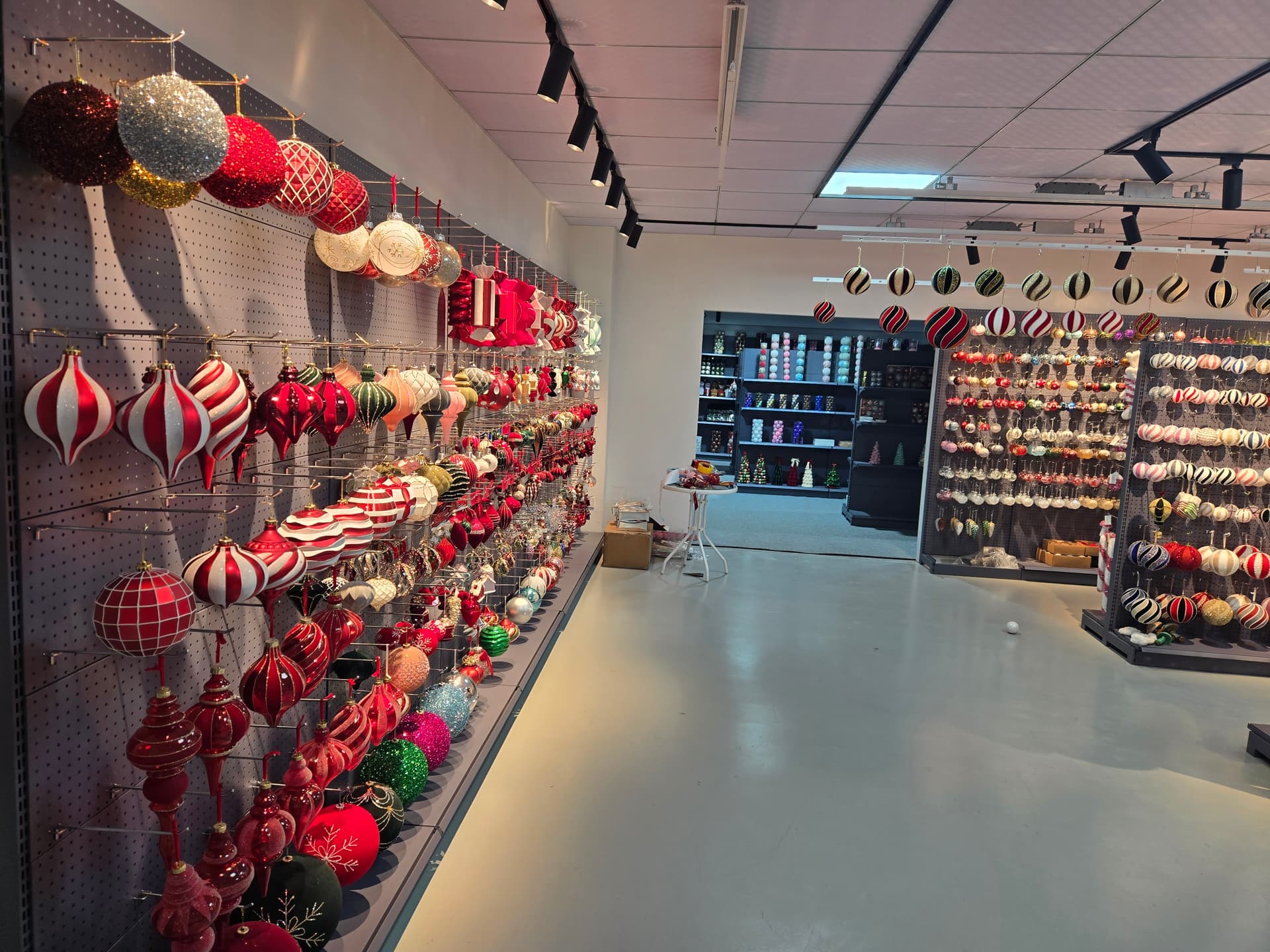
Factory-direct Christmas ornament distributor programs preserve batch traceability distributors need when distribution-center complaints arrive mid-season. Ball-native factories document coating lots, cap metallization runs, and inner-pack specifications that trader repackers cannot tie to production windows. When a color wall drifts from the approved hero sample, factory-direct importers hold coating corrections before vessel—or document hold-and-review with evidence formatted for vendor portals. Christmas ornament factory · Christmas ornament manufacturing process · how to choose a Christmas ornament manufacturer
Factory-direct paths also expose real MOQ bands per colorway, finish family, and packaging tier—not abstract minimums that fail when dieline MOQ or craft-heavy heroes bind first. Distributors planning mixed FCL seasonal buys need per-color setup truth to model margin before allocation committees approve buy.
Virtual line tours and structured pilots replace expensive first visits when the export desk formats evidence for your QA partner—production-intent inner packs, finish comparison under controlled lighting, and pallet staging photos aligned to commercial invoices.
Distributors evaluating multiple factories should score suppliers on inner-pack assumptions in MOQ quotes—not only unit FOB. A lower quote without partition engineering often costs more at receiving when drop tests fail vendor portal review.
MOQ, mixed containers, and FCL planning for distributors
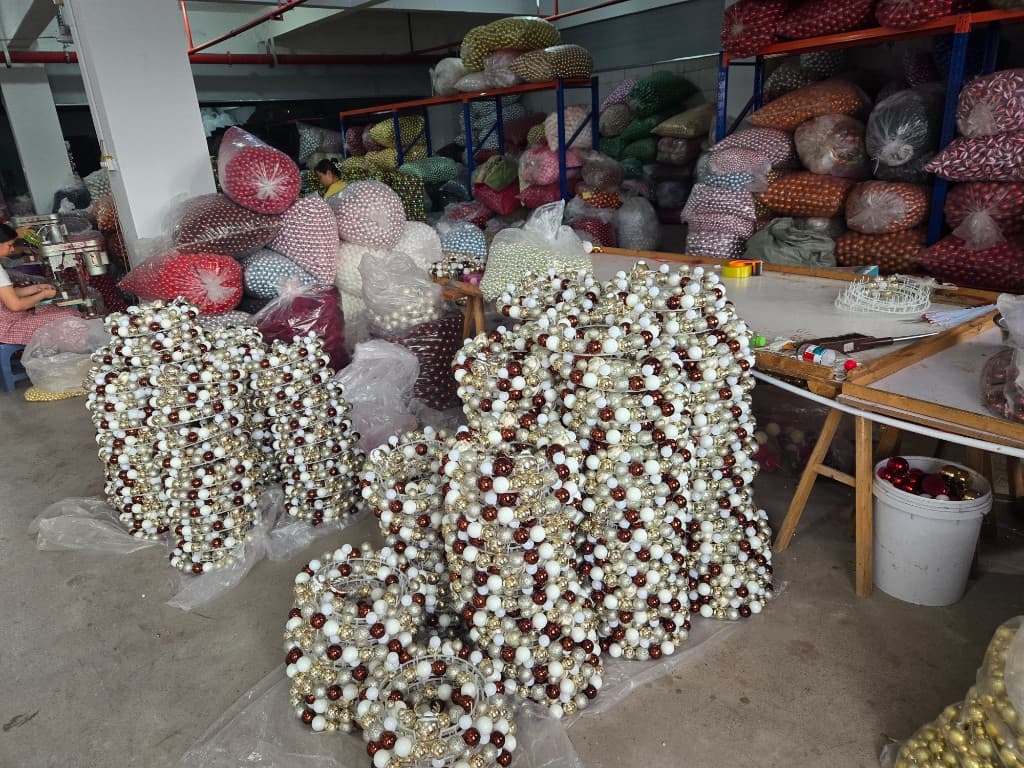
Christmas ornament distributor MOQ is rarely one number—it is a matrix across material platform, per-color finish, cap family, inner-pack type, and whether the order fills efficient ocean freight cube. Distributors who combine multiple colorways under one finish family in a mixed FCL plan spread coating setup and lower effective per-color MOQ when set architecture is confirmed before vessel booking. MOQ Christmas ornaments explained · glass Christmas balls wholesale · plastic Christmas ornaments

Glass hero SKUs and resin volume walls in one container require one signed palette document and careful inner-pack engineering—partition trays versus PDQ shippers have different cube economics. Less-than-container-load shipments tempt distributors seeking lower upfront commitment but often erode margin planned on attractive unit FOB.
Sample MOQ for pilot approval is not bulk MOQ. Factories may produce strike samples for finish sign-off while still requiring three thousand to ten thousand pieces per colorway for bulk coating because pigment sources and cap runs are lot-based. Finance models should include both—not linear scaling from sample unit cost.
Distributors serving multiple retail banners from one FCL should model cube by master carton dimensions early. Wider gift boxes reduce pieces per pallet layer—pushing toward higher MOQ or split vessels unless set architecture adjusts.
Air-freight bulk recovery when MOQ was set too low for coating efficiency destroys margin planned on attractive unit FOB. Use pilots to validate sell-through before committing club-scale resin MOQ that locks inventory if a color underperforms in week one of reset.
| Distributor program type | Typical MOQ band | FCL note |
|---|---|---|
| Catalog glass refresh | 3,000–5,000 pcs / color | Combine colors under one finish family |
| Resin volume wall | 8,000–10,000+ pcs / color | Club-scale cube efficiency |
| Mixed hero + volume FCL | 5,000+ pcs total (varies) | One palette document across materials |
| ODM catalog platform | Platform bands apply | Faster pilot than new OEM tooling |
| Repeat-season archive | Prior bands often reset | Tooling largely sunk |
Seasonal catalog and assortment architecture
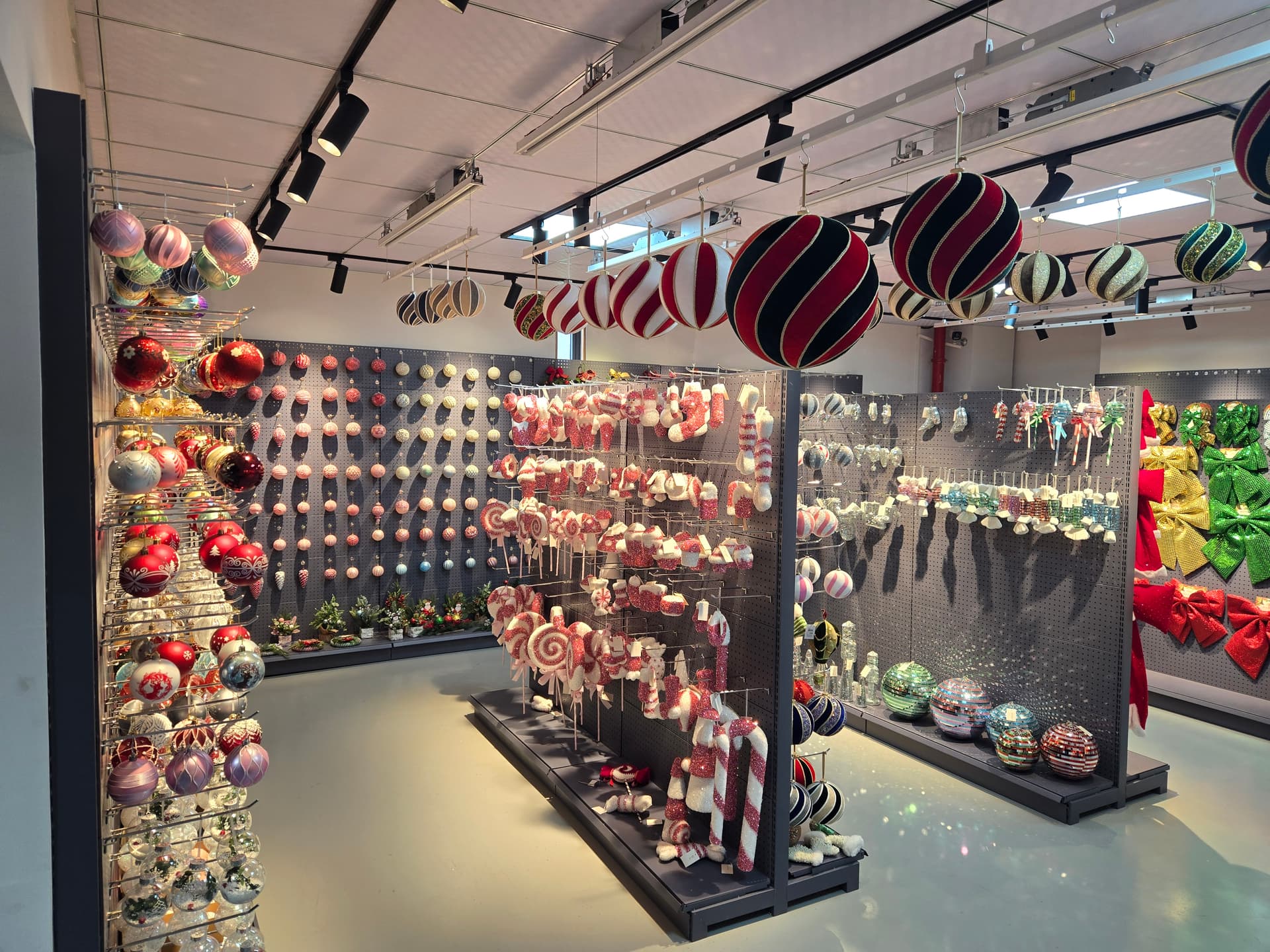
Distributor catalog architecture—size ladders, set counts, finish families, and material mix—should be confirmed before RFQ so factories return MOQ maps tied to coating bays and craft stations. Adding finish SKUs after vessel booking fragments lots below efficient setup thresholds and triggers air-freight recovery or coating delays. ODM Christmas ornaments guide · Christmas garland manufacturer · Christmas wreath manufacturer · artificial Christmas tree manufacturer · Christmas decoration manufacturer
ODM catalog platforms help distributors refresh seasonal walls without new tooling every year: existing molds, finish boards, and packaging templates with private-label branding within documented limits. Hero SKUs may migrate to OEM tooling in season two once sell-through validates geometry and presentation tier.
Coordinated families—ornaments paired with garlands, wreaths, or tree programs—require aligned export staging when multiple product lines share vessel windows. Distributors bundling décor categories should confirm coating and packing-station calendars across lines—not assume one ornament FCL date covers wreath MOQ.
Photography and catalog layout should follow pilot finish sign-off—not precede it. Distributors who shoot e-commerce grids before masters are signed inherit markdown risk when bulk drifts from hero samples approved in a showroom.
Price-ladder architecture across diameter and finish tier helps distributors serve multiple retail bands from one factory relationship—hero glass at premium doors, resin volume at value tiers—under one palette document to prevent coating drift.
Distributor channel mix and MOQ posture
| Channel served | Typical assortment | MOQ planning note |
|---|---|---|
| Independent retail network | Mixed glass + resin color walls | Moderate per-color MOQ; gift-box optional |
| E-commerce catalog | ODM platforms + photography discipline | Pilot sign-off before creative lock |
| Club / warehouse supply | Resin volume, PDQ inners | 8,000–10,000+ pcs / color |
| Hospitality / B2B | Shatterproof resin ladders | Impact and UV-coat baselines at pilot |
| Sub-distributor tiers | Bulk export egg-crate | Lower packaging MOQ; verify partition quality |
Import, FOB discipline, and seasonal vessel windows
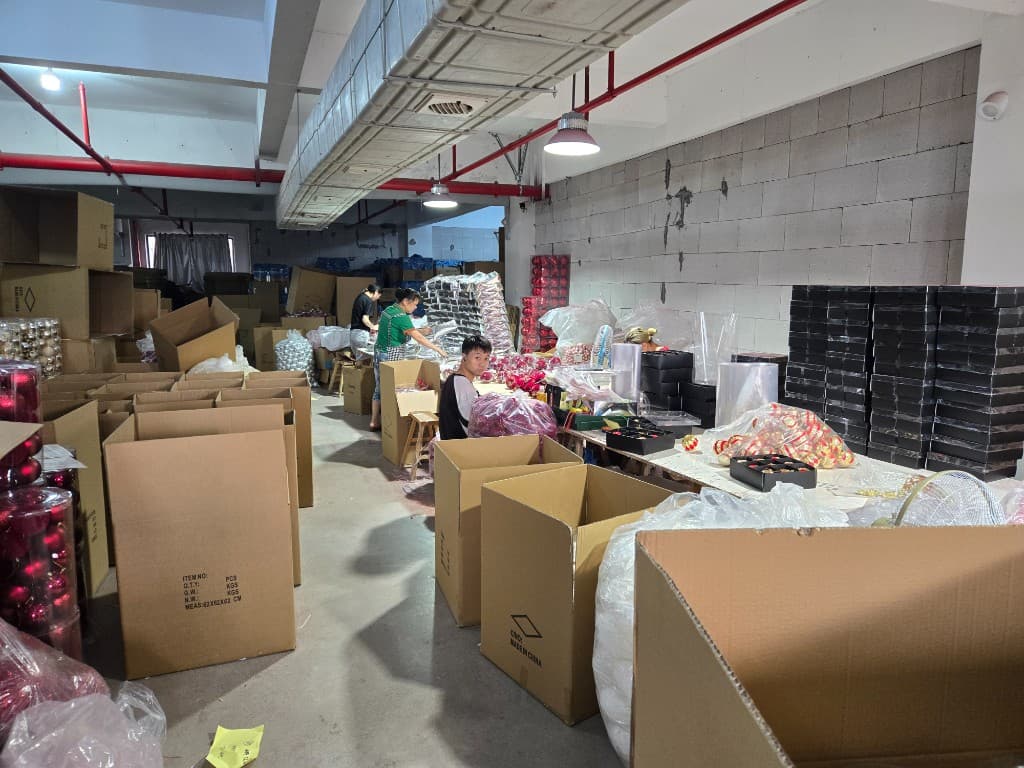
Christmas ornament distributor programs run on reverse calendars: in-store date minus distribution-center receiving, ocean transit, export staging, bulk coating, and pilot sampling. Mid-summer vessel booking cutoffs for North American Q4 resets are unforgiving when craft-heavy SKUs need longer curing than matte resin walls. import Christmas ornaments from China · Christmas ornament manufacturer FAQ · EU Christmas ornament manufacturer
FOB programs transfer risk at port—distributors own freight booking and must align vessel dates with factory export staging. MOQ negotiated without vessel window often becomes a lead-time problem when coating bays book sequentially through Q2. CIF quotes bundle freight but still require MOQ that fills efficient cube for margin to hold.
Duty, insurance, and inland drayage sit outside factory MOQ but inside landed-cost models finance approves. Model the full lane before allocation—not spreadsheet unit FOB alone.
US distributors should confirm HTS classification and duty rate assumptions with customs brokers before margin sign-off—seasonal décor classifications affect landed cost models importers present to allocation committees.
EU distributor networks need packaging compliance attachments scoped at pilot—material declarations, recycling labels, and retailer-specific vendor manual requirements add calendar days beyond factory FOB.
| Milestone | Typical window | Distributor action |
|---|---|---|
| Spring RFQ & sampling | Mar–May | Lock ladder, finishes, packaging path |
| Pilot sign-off | 10–21 days glass | Archive finish masters under signed lighting |
| Vessel booking | Mid-summer peak | Align FCL cube with forwarder stack limits |
| Bulk coating to FOB | 35–70 days | Track coating lot IDs to master cartons |
| Ocean transit to US West Coast | 18–28 days | Reconcile pallet counts pre-customs |
| DC receiving to in-store | 5–15 days | Vendor portal evidence ready at appointment |
Margin modeling and QC evidence distributors need
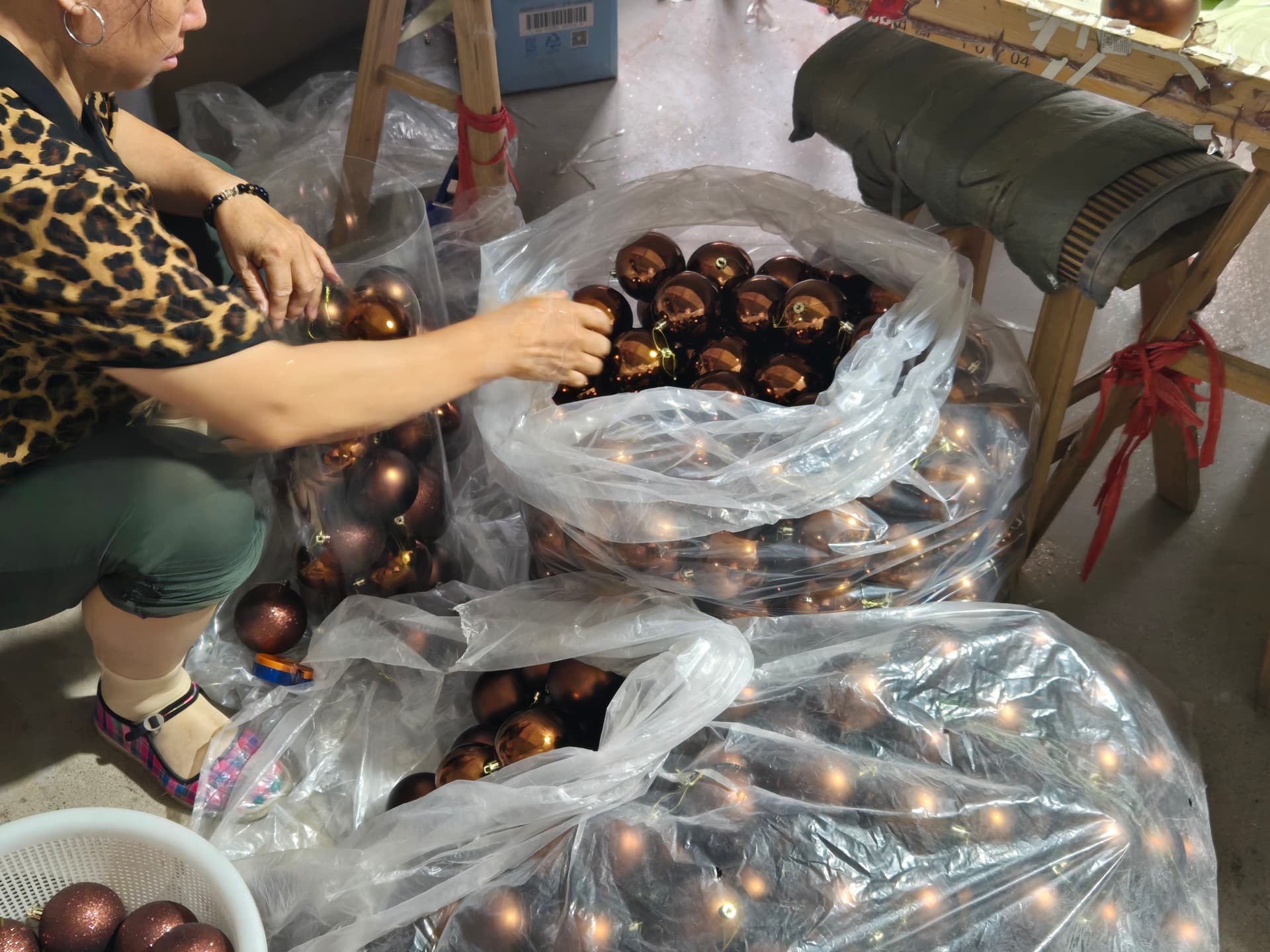
Distributor margin models should include partition cost, glass breakage reserve, PDQ tooling on resin, packaging dieline MOQ, expected distribution-center handling, and freight amortization—not unit FOB alone. A viable per-color MOQ at factory quote can fail margin review when LCL freight and markdown risk stack on top. EU Christmas ornament manufacturer · OEM case studies
QC evidence protects distributor networks at vendor portal review: pilot-to-bulk finish comparison under controlled lighting, coating lot trace to master cartons, cap torque records, inner-pack drop-fit photos, and pre-shipment samples formatted for third-party inspection when manuals require it.
When programs mix glass heroes with resin volume SKUs, specify separate acceptable-quality-level notes per material. Applying glass fragility protocols to shatterproof lines wastes inspection budget; applying resin impact criteria to thin glass lustre bands misses breakage risk.
Social-compliance attestations—BSCI-aligned workflows, Sedex transparency tracks—support distributor sales into specialty and EU mass-market doors. Request evidence scope at RFQ when vendor manuals require audit packets at pilot approval.
Breakage reserve on glass distributor programs should reflect partition quality and forwarder lane—not a flat percentage copied from prior seasons without inner-pack verification at pilot.
Third-party inspection is worth budgeting when distributor networks sell into retail doors that require independent verification—inspectors need the same finish masters merchandising signed at pilot, not generic catalog photos forwarded late.
- Pilot-to-bulk finish comparison archived under merchandising lighting condition
- Coating lot IDs tied to master carton labels for trace-back
- Inner-pack drop tests at pilot with production-intent partitions
- Carton marks verified against commercial invoice before FOB
- Social-compliance and material declarations scoped per target market
ODM catalog versus OEM private-label for distributors
Christmas ornament distributor programs often blend ODM catalog breadth with OEM heroes as networks mature. ODM platforms deliver faster pilot windows and lower first-season MOQ on existing molds; OEM paths suit proprietary caps, window-box engineering, and licensed geometry that ODM templates cannot carry. ODM Christmas ornaments guide · OEM development process · private label Christmas ornaments
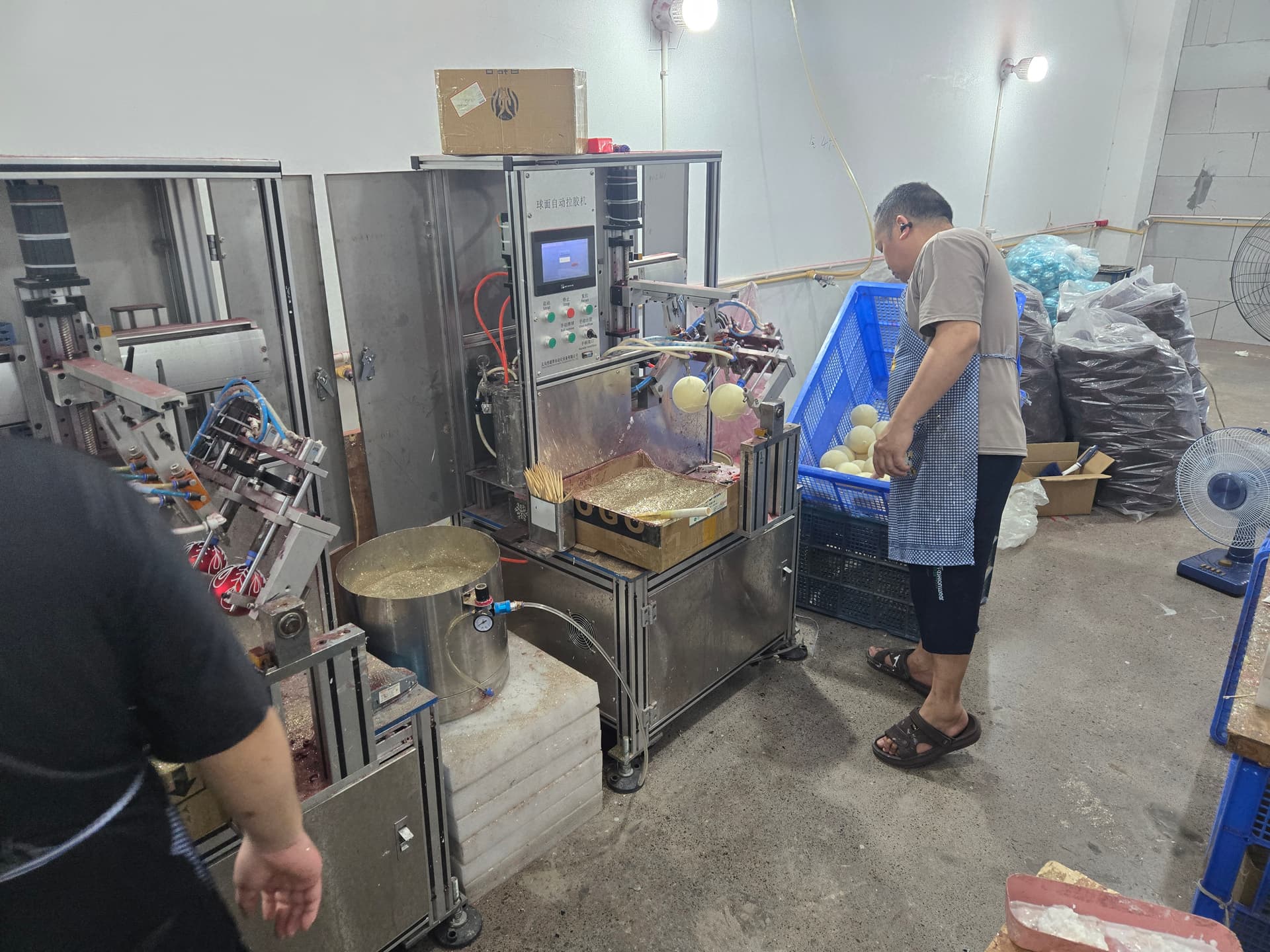
Finance should model three-year carry-forward: ODM year-one catalog refresh, OEM year-two hero tooling, repeat-season MOQ reset when molds and dielines amortize. Allocation committees comparing only year-one unit FOB miss the strategic migration path distributors use to build exclusive assortment.
Factory-direct distributors benefit when one export desk runs ODM and OEM under shared QC travelers—pilot evidence, coating lot discipline, and export staging format stay consistent across catalog and hero SKUs.
Territory exclusivity negotiations should define what happens to archived tooling and finish masters if the relationship ends—distributors investing in multi-season catalog build-out need clarity before deposit transfers.
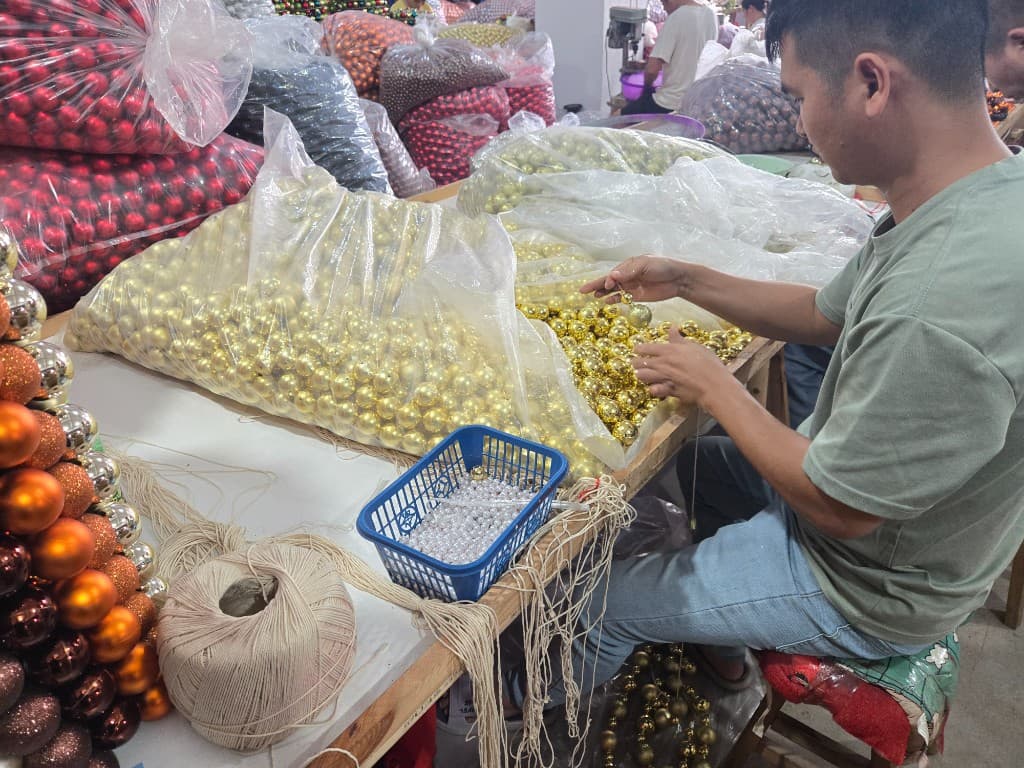
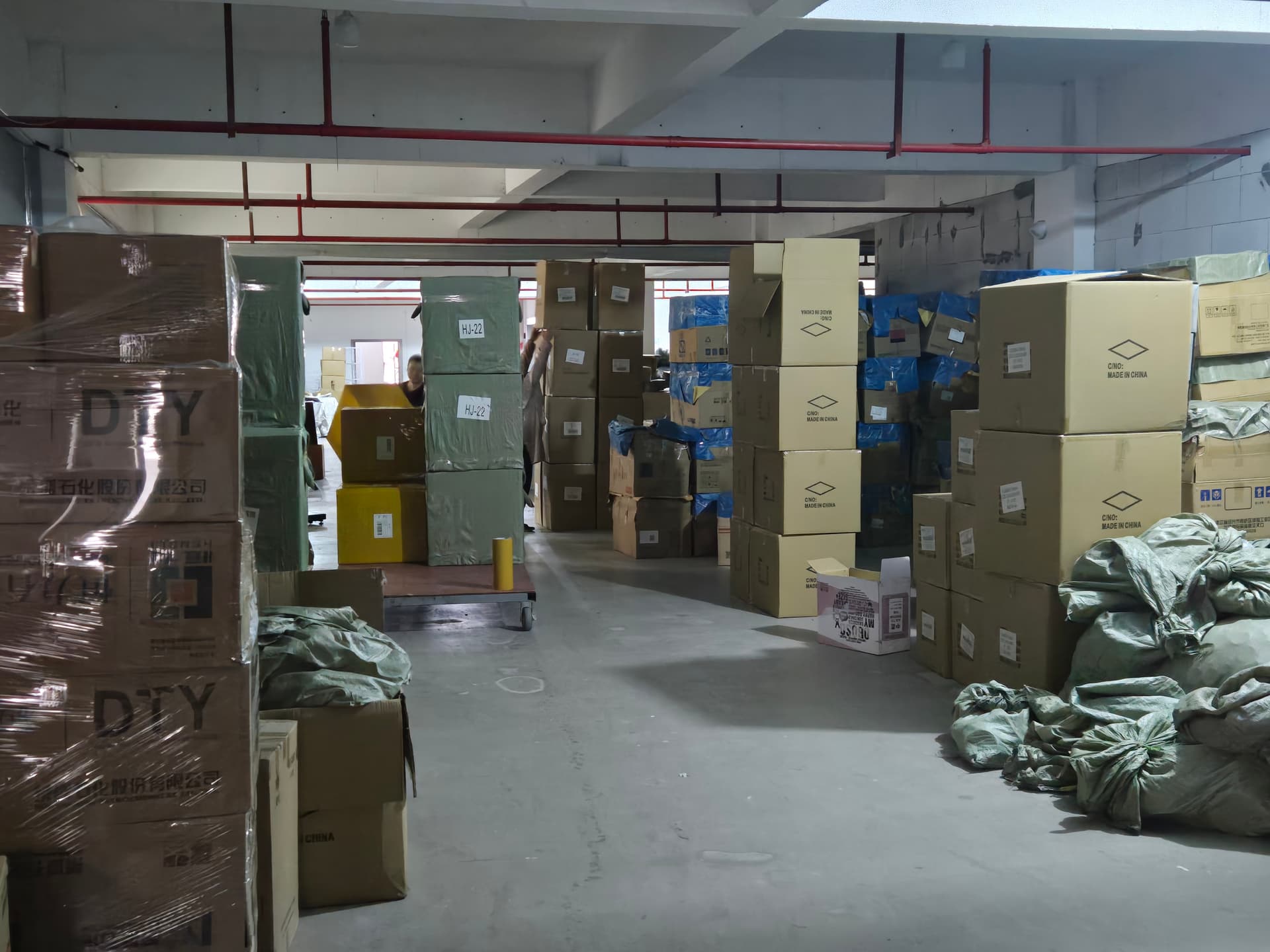
Common distributor sourcing mistakes
- Treating trader MOQ as factory MOQ without naming the production line
- Booking ocean freight before inner-pack drop tests pass at pilot
- Adding finish SKUs after vessel nomination fragments coating setup
- Assuming sample unit cost scales linearly to bulk FOB
- Skipping FCL cube model until forwarder rejects stack height
- Photography before pilot finish sign-off locks coating drift risk
- Ignoring mixed-material palette documents when glass and resin share FCL
- Modeling margin on unit FOB without freight, breakage, and packaging MOQ
Each mistake shifts pain to lead time, returns, or air-freight recovery rather than saving money. Christmas ornament distributor programs succeed when MOQ transparency, batch traceability, and vessel alignment are documented at RFQ—not negotiated after creative locks planograms. how to choose a Christmas ornament manufacturer · Christmas ornament manufacturing process · MOQ Christmas ornaments explained
Distributors who win repeat seasons archive evidence under one program folder: finish masters, coating lot IDs, inner-pack drop photos, pallet staging images, and vendor portal upload records. Year-two negotiations start from documented performance—not from zero as if the factory relationship were new.
What to include in a distributor program RFQ
A complete Christmas ornament distributor RFQ should specify network role, channel mix, target in-store date, diameter ladder, finish count, material mix, packaging tier, FCL intent, compliance markets, and repeat-season carry-forward assumptions if applicable. request a factory quote · import Christmas ornaments from China · ODM Christmas ornaments guide
Include sell-through history when refreshing catalog SKUs—factories can recommend ODM platform changes or OEM migration paths when data shows which diameters and finishes earned margin last season.
Request named production line confirmation, pilot pigment source policy, and export staging format for your forwarder lane. Distributor programs fail at receiving when RFQs treat ornaments as generic giftware without partition engineering scope.
Share prior-season breakage and return rates when available—factories can recommend inner-pack upgrades or material shifts that improve landed margin even when unit FOB rises slightly.
- Define distributor role, channel mix, and target markets in first RFQ
- Request per-color MOQ by finish family and packaging path
- Model mixed FCL cube with forwarder stack limits
- Require pilot lots with production-intent inner packs
- Reverse-engineer calendar from in-store date through DC receiving
- Archive finish masters and coating lot IDs for repeat-season restart
- Plan ODM catalog refresh with OEM hero migration path where needed
Distributor program checklist before allocation
Submit distributor program questions with your RFQ so the export desk returns MOQ maps, platform options, and vessel targets tied to documented gates—not catalog defaults. Score factories on MOQ honesty, coating lot traceability, and export staging discipline alongside unit FOB. B2B sourcing blog · request a factory quote · wholesale Christmas ornaments manufacturers · ODM Christmas ornaments guide · EU Christmas ornament manufacturer
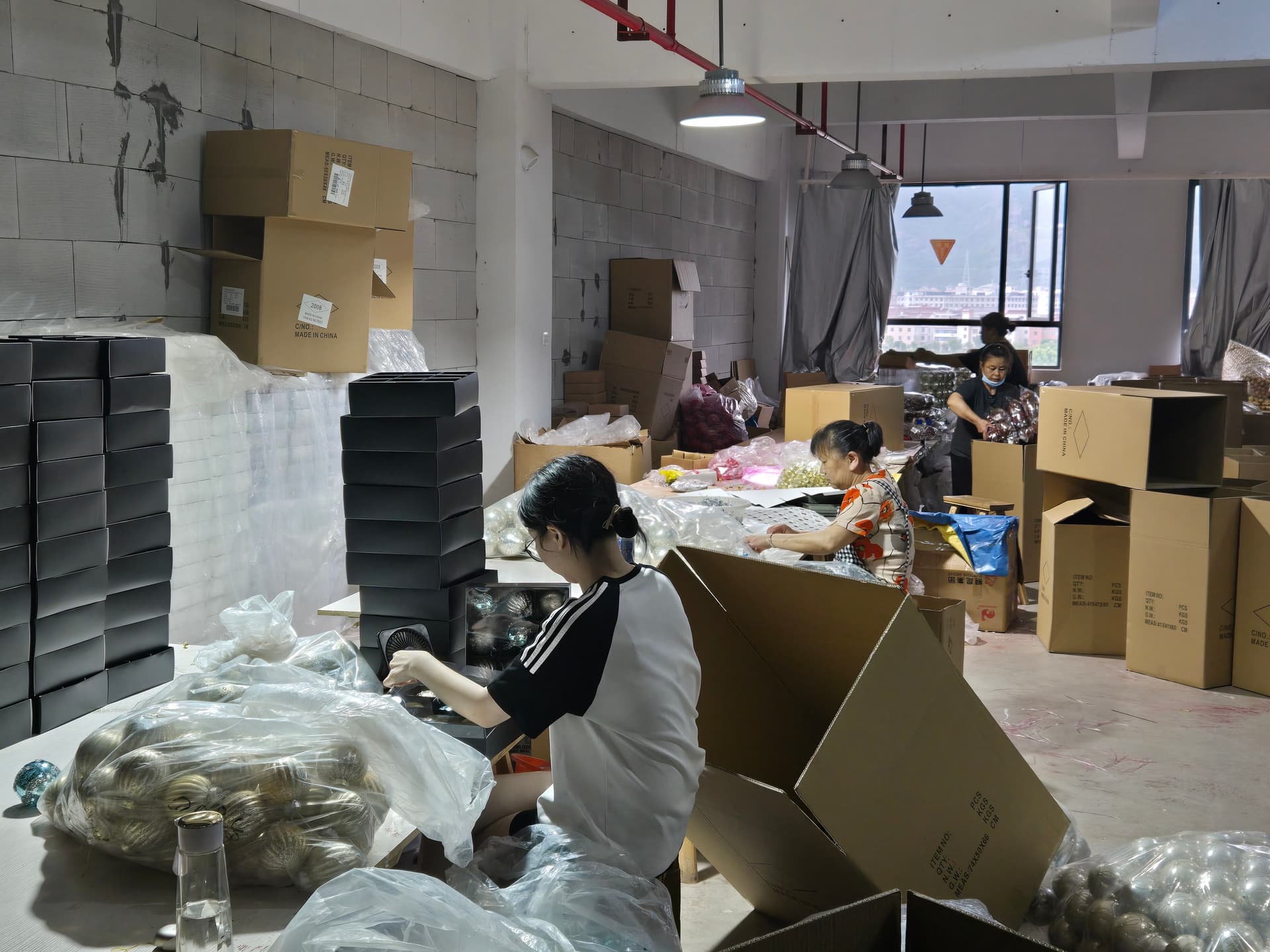
Pair this distributor guide with our wholesale manufacturers page, ODM ornaments guide, and supplier checklist when you build allocation committee packets. Factory-direct distributor relationships protect margin and QC continuity across seasons—trader shortcuts rarely survive distribution-center reality.
Document hang geometry, cap torque targets, and inner-pack drop heights in your distributor RFQ so pilot lots test production intent. Repeat-season programs benefit when finish masters, coating lot IDs, and pallet photos archive under one program folder your network can access at receiving.
Distributor networks scaling across North America and EU doors should align compliance scope in the first RFQ—material declarations, packaging labels, and social-compliance attestations add calendar days that vessel planning must absorb.
The export desk responds fastest when RFQs include ladder, channel mix, packaging tier, and in-store date in one brief—fragmented requests across email threads delay MOQ maps and vessel window confirmation.
Next steps with Shuanglin Crafts
Ready to scope a program? Request a factory quote with your assortment ladder and vessel dates, get our product catalog for finish families and MOQ bands, or send OEM requirements if you need custom caps, packaging, or private-label tooling. Request a factory quote · Get product catalog · Send OEM requirements
You can also review our production setup on the factory page or message the export team through contact when you need lead times confirmed before allocation. Factory tour · Contact export desk
Frequently asked questions
What is a Christmas ornament distributor program?
A factory-direct wholesale program where importers or distributors source seasonal ornament volume under documented MOQ, FCL plans, QC gates, and FOB export staging—often spanning catalog refresh, ODM platforms, and OEM heroes across a retail or B2B network.
How is a distributor different from a retail private-label buyer?
Distributors optimize catalog breadth and landed margin across multiple doors or channels; private-label buyers optimize for one banner's planogram, photography, and packaging tier. MOQ and compliance paths differ even when SKUs overlap.
What MOQ should Christmas ornament distributors expect?
Often 3,000–5,000 pieces per colorway on glass catalog programs and 8,000–10,000+ on resin volume lines—plus separate packaging MOQ for gift boxes or PDQ shippers. Mixed FCL plans can lower effective per-color MOQ when confirmed early.
Why does factory-direct sourcing matter for distributors?
Factory-direct paths preserve coating lot trace, cap torque records, and inner-pack specifications traders cannot document—protecting distributors when distribution-center complaints require production trace-back.
Should distributors start with ODM or OEM programs?
Many start with ODM catalog platforms for faster pilot windows and lower first-season MOQ, then migrate validated heroes to OEM tooling in season two with documented ownership terms.
When should distributors book ocean freight for Q4?
Reverse-engineer from in-store date through DC receiving and bulk coating—many North American programs need spring sampling and mid-summer vessel booking to avoid peak cutoffs.
What QC evidence should distributors require?
Pilot-to-bulk finish comparison, coating lot trace to master cartons, inner-pack drop-fit photos, cap torque records, and pre-shipment evidence formatted for vendor portals or third-party inspection.
How do distributors model landed margin correctly?
Include unit FOB, FCL freight amortization, packaging MOQ, glass breakage reserve, duty, insurance, inland drayage, and expected distribution-center handling—not factory price alone.